Lowboy Dresser Guide
Low-profile, spacious, and stylish – the lowboy dresser is a versatile storage hero. Learn how to choose the perfect one for your space.
Shop Lowboy Dressers →What Is a Lowboy Dresser?
A lowboy dresser (also called a lowboy chest) is a short, wide dresser typically 30–36 inches tall with a horizontal orientation. Unlike tall highboy dressers or vertical chests, the lowboy sits low to the ground, offering a sturdy, spacious top surface for display or a mirror. Its design makes it ideal for rooms where you want to maximize storage without overwhelming the space.
💡 Did you know? The term "lowboy" comes from the furniture style popular in the 18th century, often paired with a matching highboy. Today, lowboys are prized for their blend of storage and surface area.
Lowboy Dresser Dimensions & Features
Lowboy dressers are defined by their low profile and wide stance. Here are the typical characteristics:
Height
30 – 36 inches
Width
48 – 72 inches
Depth
18 – 22 inches
Drawers
4 – 8 drawers (often 6)
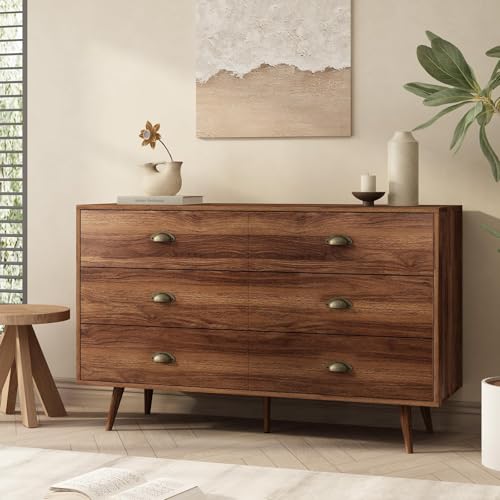
Most lowboys have 6 to 8 drawers arranged in two or three columns. This layout provides ample storage for folded clothes, linens, or accessories. The wide top can hold a lamp, framed photo, or a matching mirror.
If you're working with a compact bedroom, a lowboy can be an excellent alternative to a tall skinny dresser because it offers similar drawer volume without blocking windows or wall art. For larger spaces, an extra-wide dresser or long dresser might be a better fit.
Lowboy vs. Highboy & Other Dressers
Understanding the differences helps you choose the right piece. Here’s how a lowboy stacks up:
- Lowboy vs. Highboy: A highboy dresser is tall (50–60 inches) with a narrow footprint, ideal for small floor spaces. A lowboy is wider and shorter, offering more surface area and a lower center of gravity.
- Lowboy vs. Chest of Drawers: A standard chest of drawers is usually taller than it is wide (around 40–50 inches). A lowboy is distinctly horizontal, making it perfect for under windows or against low walls.
- Lowboy vs. Horizontal Dresser: They are very similar – a lowboy is essentially a classic horizontal dresser with a traditional or mid-century aesthetic.
If you need a piece that doubles as a display surface and storage, a lowboy is a strong contender. For narrower spaces, consider a narrow dresser for bedroom.
Lowboy Dresser Styles & Materials
Lowboys come in a variety of styles to match any decor:
- Mid-Century Modern: Clean lines, tapered legs, and warm wood tones (teak, walnut).
- Farmhouse: Distressed finishes, beadboard details, and often in white or gray.
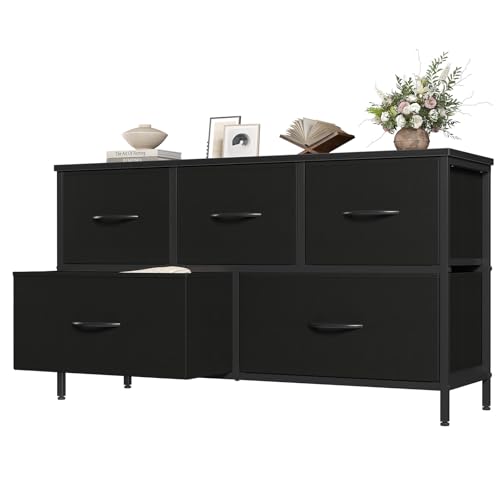
- Contemporary: Glossy lacquer, bold colors like black modern or olive green.
- Rustic: Reclaimed wood or rustic dresser with natural knots and imperfections.
Popular materials include solid oak, walnut, pine, and engineered wood with veneers. For a durable choice, look for a real wood dresser.
If you prefer a lighter look, a light oak dresser or cream dresser can brighten a room. For a dramatic statement, a black wood dresser or espresso dresser adds depth.
Where to Place a Lowboy Dresser
Lowboys are versatile and work well in multiple rooms:
- Bedroom: Under a window, opposite the bed, or along a wall that needs visual weight.
- Living Room: As a media console or sideboard for extra storage.
- Entryway: A lowboy can serve as a catch-all for keys, mail, and shoes.
- Walk-in Closet: If you have the floor space, a lowboy offers foldable storage without blocking hanging rods.
For small bedrooms, a small dresser for bedroom might be more practical, but a lowboy can also work if you have a wide wall. In a closet, a small dresser for closet could be a better fit if space is tight.
Lowboy Organization & Styling
Maximize your lowboy’s potential with these tips:
- Drawer Dividers: Use dividers to keep socks, underwear, and accessories neat.
- Top Surface Styling: Add a tray for jewelry, a vase with dried flowers, and a framed photo. Avoid clutter – less is more.
- Layer with Mirrors: A leaning mirror above the lowboy creates depth and reflects light.
- Seasonal Rotation: Store off-season clothing in the lower drawers and current items in the top drawers for easy access.
For a cohesive look, consider a dresser and chest set or a white dresser and nightstand set to match your lowboy.
Lowboy Dresser Buying Guide
When shopping for a lowboy, consider these factors:
- Size: Measure your wall space. A 60-inch wide lowboy is common, but widths range from 48 to 72 inches.
- Drawer Depth: Deeper drawers (20+ inches) are better for bulky items like sweaters.
- Material: Solid wood lasts longer, but high-quality veneers can be budget-friendly.
- Assembly: Some lowboys come fully assembled, while others require assembly. Check before buying.
Price ranges vary widely: a basic engineered wood lowboy starts around $450, while solid wood or designer pieces can cost $1,200–$2,800. Mid-century modern and rustic styles often fall in the $800+ range.
For a durable and stylish option, explore our recommended products below. We've curated some of the best lowboy dressers available today.
Lowboy Dresser: Pros & Cons
✅ Pros
- Wide surface for display or mirror
- Low profile – doesn't block windows or artwork
- Sturdy and stable
- Ample drawer space in a horizontal layout
❌ Cons
- Requires wide wall space
- Not ideal for small, narrow rooms
- Can feel bulky in minimalist settings
If you have a narrow space, a skinny dresser or tall thin dresser might be a better alternative. But for most bedrooms, the lowboy offers a perfect balance of storage and style.
Ready to Find Your Lowboy?
Browse our curated selection of lowboy dressers. Each piece is chosen for quality, style, and value.
Shop Lowboy Dressers