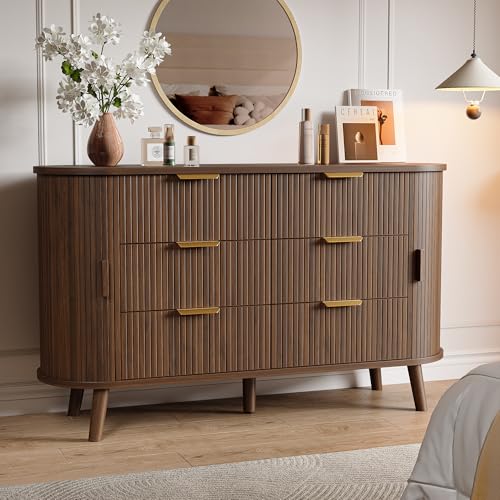
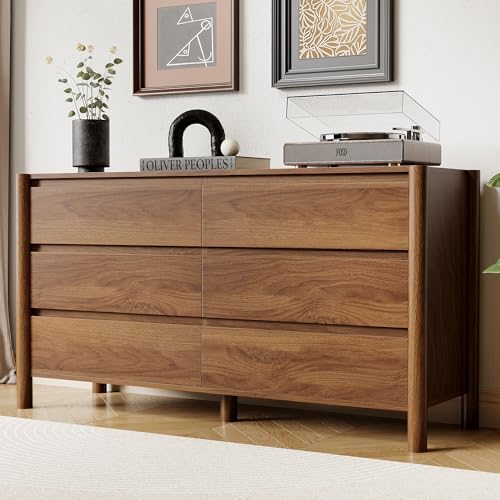
Mid Century 6 Drawer Dresser: The Complete Guide
Explore the timeless appeal of mid century modern design with a six-drawer dresser that balances form, function, and generous storage. Learn how to choose the right piece for your bedroom.
Start Your ResearchWhy a Mid Century 6 Drawer Dresser Deserves Your Attention
The mid century modern aesthetic has remained a favorite in bedroom furniture for decades. Clean lines, tapered legs, and a focus on natural materials define the style, while the six-drawer configuration offers a practical balance between compact footprint and generous storage capacity. Whether you are furnishing a primary bedroom, a guest room, or a dedicated dressing area, a mid century 6 drawer dresser can serve as both a functional workhorse and a design anchor.
Unlike bulkier traditional dressers, mid century designs often use a lower profile and splayed legs to create visual lightness. This makes them particularly well-suited to smaller rooms or spaces where you want to avoid a heavy, crowded feel. The six-drawer layout typically includes a mix of drawer sizes, allowing you to organize everything from folded clothing and delicates to accessories and bed linens.
If you are still exploring broader options, our guide to six drawer dressers covers the full spectrum of configurations, while this page focuses specifically on the mid century interpretation of that format.
Defining Characteristics of Mid Century 6 Drawer Dressers
Mid century modern furniture is not a single uniform style; it encompasses a range of design languages from the 1940s through the 1960s. However, certain hallmarks appear consistently in well-made six-drawer dressers from this tradition.
Tapered Legs
Angled or conical legs lift the dresser off the floor, creating an airy silhouette and making the piece feel less massive.
Clean Lines
Minimal ornamentation and simple geometric forms keep the focus on proportion and material rather than decorative excess.
Wood Focus
Walnut, teak, oak, and cherry are common, often finished to highlight natural grain patterns.
Integrated Hardware
Drawer pulls are often recessed, sculpted, or minimalist, contributing to the uncluttered look.
Six-Drawer Layout
Typically arranged as two columns of three drawers, or a mix of wide and narrow drawers for flexible organization.
Low Profile
Many mid century dressers sit lower than traditional models, making them easier to use and visually lighter in the room.
These design elements combine to create a piece that feels both retro and remarkably contemporary, which is why mid century modern furniture continues to be produced by both heritage brands and modern manufacturers.
What to Consider Before Buying a Mid Century 6 Drawer Dresser
Because the six-drawer format is offered across a wide range of quality and construction methods, it is worth approaching your purchase with a structured checklist. The following considerations will help you evaluate options with confidence.
Material and Construction
Solid wood construction — particularly walnut, teak, oak, or cherry — is the gold standard for mid century pieces. Look for dovetail joinery on drawer boxes, which signals durability and craftsmanship. Engineered wood with wood veneer can be a legitimate option in the mid-range and entry-level tiers, but be sure the veneer is applied well and the core material is stable. For a deeper look at solid wood options, see our guide to a high-quality solid wood dresser.
Drawer Configuration
Six-drawer dressers come in several layouts. A common configuration is three rows of two drawers each, with the top drawers sometimes divided for smaller items. Some designs feature a wide top drawer paired with narrower drawers below. Think about how you fold and store clothing: deeper drawers suit bulky items, while shallow drawers work well for accessories, delicates, and folded shirts. If you need extra organization, consider a dresser with large deep drawers or a dresser with a hidden jewelry drawer.
Size and Proportions
Measure your available wall space and the clearance around doorways and other furniture. A typical six-drawer mid century dresser ranges from about 50 to 70 inches in width, but dimensions vary. Height is equally important: mid century pieces often sit around 30 to 34 inches tall, which can be more comfortable for daily use than taller chests. If space is tight, explore shallow-depth dressers for small spaces or a low-profile dresser.
Hardware and Details
Original mid century hardware can be a significant part of the piece's character. If you are restoring or updating a vintage dresser, replacement pulls in a matching style can make a big difference. Browse mid century cabinet pulls for inspiration, and if you are considering a refresh, see pull handles for dresser drawers.
Finish and Color
Natural wood tones are classic, but mid century dressers also appear in white, black, and muted colors. A walnut wood dresser or natural oak dresser is a safe, timeless choice. If you prefer a lighter look, consider a white dresser with white handles or a narrow white dresser for tighter spaces.
Understanding Quality Tiers Without the Price Tag
Rather than thinking in terms of currency, it helps to classify mid century six-drawer dressers by their position in the market and the construction quality they represent. The table below outlines the common tiers you will encounter.
| Tier | Typical Construction | Best For |
|---|---|---|
| Entry-level | Engineered wood with veneer, basic drawer glides, simplified joinery | Guest rooms, first apartments, temporary setups |
| Mid-range | Solid wood frames with veneer panels, metal glides, dovetail or reinforced drawer boxes | Primary bedrooms, daily use, long-term ownership |
| Premium | Solid hardwood throughout, traditional joinery, high-quality glides or wooden runners | Design-focused bedrooms, collectors, heirloom potential |
| Luxury / flagship | Handcrafted construction, premium hardwoods, custom hardware, exceptional finish | Statement pieces, luxury interiors, investment furniture |
Within each tier, look for the features that matter most to you. A well-specified mid-range dresser often delivers the best balance of durability and design for most households. For more context on evaluating quality, our dresser budget guide explains how to prioritize features regardless of tier.
Styling and Placing Your Mid Century 6 Drawer Dresser
A six-drawer dresser is a substantial piece, so placement matters. In a primary bedroom, it often works well opposite the bed or along a long wall. Pairing it with a matching nightstand creates a cohesive look; see our mid century dresser and nightstand set guide for coordinated options. If you prefer a more eclectic approach, a standalone dresser can still anchor the room.
For smaller bedrooms, consider a tall skinny dresser for closet or a narrow set of drawers for bedroom if floor space is limited. A dresser closet combo can also maximize storage in tight quarters.
Above the dresser, a mirror or artwork can complete the vignette. If you are considering a matching mirror, our small chest of drawers with mirror page offers ideas, though six-drawer models typically pair well with a large rectangular or round mirror.
For children's rooms, a mid century six-drawer dresser can work well if anchored properly. See our children's dressers guide for safety considerations.
Practical Tips for Living With a Six-Drawer Dresser
Frequently Asked Questions
What is the difference between a mid century 6 drawer dresser and a standard dresser?
Mid century dressers are defined by their design language — tapered legs, clean lines, and natural materials — rather than a specific drawer count. A six-drawer version offers more storage than a four-drawer model while often maintaining a lower, more streamlined profile than traditional chests.
Are mid century dressers suitable for small bedrooms?
Yes. Many mid century designs are lower and less bulky than traditional dressers, and some are available in narrower or shallower configurations. Measure your space carefully and consider a shallow dresser for small bedroom if depth is a concern.
How do I identify a well-made mid century dresser?
Look for solid wood construction where possible, dovetail drawer joints, smooth-gliding drawers, and sturdy legs with proper bracing. Original hardware is a plus for vintage pieces. For modern reproductions, check the specification for materials and joinery details.
Can I use a six-drawer dresser in a nursery?
Yes, provided it is securely anchored to the wall and meets current safety standards. A dresser with a changing pad on top can serve double duty; see our crib dresser changing table combo guide for related ideas.
What woods are most common in mid century dressers?
Walnut, teak, oak, and cherry are traditional choices. Modern reproductions may use these woods or veneers over engineered cores. See our walnut wood dresser and natural oak dresser pages for material-specific guidance.
Continue Your Research
If you are comparing options, these related guides can help you narrow down your choice:
- Six drawer dresser — the full category overview
- Mid century modern 4 drawer dresser — if a smaller footprint suits your room
- Mid century dresser and nightstand set — coordinated bedroom furniture
- Dresser with hutch — for additional vertical storage
- Storage dresser — broader storage-focused options
- Women's dresser — design and storage considerations
- Lightweight dresser — if portability matters