What Are Dresser Handles and Why Do They Matter?
Dresser handles — also called drawer pulls, drawer handles, or cabinet hardware — are the functional and decorative fittings attached to drawer fronts. They serve two purposes: they let you open and close drawers comfortably, and they contribute significantly to a dresser's visual character. A plain white dresser with minimalist bar pulls feels modern and clean, while the same dresser with ornate brass knobs reads as vintage or traditional.
Beyond aesthetics, handles affect usability. A well-positioned pull with a comfortable grip reduces strain, especially on large or heavy drawers. Quality hardware also resists loosening, wobbling, and finish wear over years of daily use. If you are restoring an older piece, new hardware is often the single most impactful upgrade you can make. For a broader view of refinishing and restoring, see our dresser restoration guide.
Dresser Handle Styles: Finding Your Look
Handle styles fall into a few broad families. Understanding these helps you match hardware to your dresser's design language and the surrounding room.
Knobs
Knobs are single-point pulls that mount with one screw. They are classic, versatile, and easy to swap. Round, square, mushroom, and faceted knobs all exist. Knobs suit traditional, farmhouse, and transitional dressers, and they are especially common on smaller drawers. Ceramic and glass knobs add a decorative touch, while metal knobs offer a cleaner look.
Bar Pulls
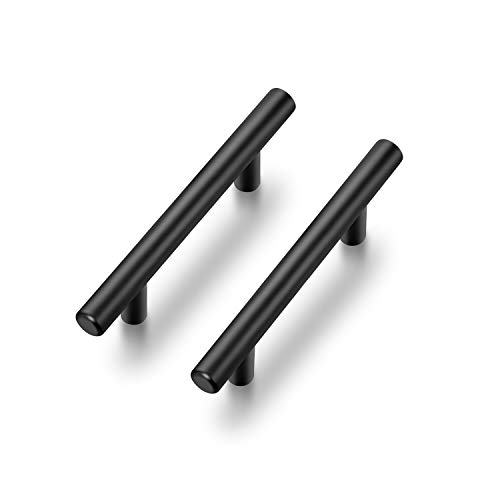
Bar pulls are straight or slightly curved handles mounted at two points. They are the go-to choice for modern, contemporary, and mid-century dressers. Bar pulls come in many lengths, and longer pulls look proportional on wide drawers. They offer a comfortable full-hand grip, which is helpful for heavy drawers. T-bar pulls are a minimalist variant with a single mounting post at each end.
Cup Pulls and Bin Pulls
Cup pulls and bin pulls are recessed or shell-shaped handles historically associated with vintage and antique furniture. They give a dresser an old-world or cottage feel. Modern reproductions in brass, bronze, and nickel make them a practical choice for period-inspired rooms.
Drop Pulls and Ring Pulls
Drop pulls and ring pulls feature a hanging ring or pendant that swings freely. They are decorative and traditional, often seen on antique and French provincial pieces. They are less ergonomic for frequent use but add strong character.
Edge Pulls and Integrated Pulls
Edge pulls are slim profiles that mount along the top edge of a drawer, creating a nearly handle-free look. They are popular in minimalist and Scandinavian designs. Integrated pulls are built into the drawer front itself and require no separate hardware.
Which Style Should You Choose?
| Handle Style | Best For | Design Feel | Ease of Use |
|---|---|---|---|
| Knobs | Small drawers, traditional and farmhouse dressers | Classic, cozy, decorative | Good for light drawers |
| Bar Pulls | Wide drawers, modern and mid-century dressers | Clean, contemporary, linear | Excellent full-hand grip |
| Cup / Bin Pulls | Vintage, antique, cottage styles | Heritage, nostalgic | Comfortable but shallower |
| Drop / Ring Pulls | Antique and French provincial pieces | Ornate, traditional | Decorative rather than ergonomic |
| Edge Pulls | Minimalist and Scandinavian dressers | Sleek, understated | Good for lighter drawers |
Materials and Finishes for Dresser Handles
The material and finish of your handles affect durability, weight, and how the hardware ages. Here are the main options.
Metal Handles
- Brass: Warm, classic, and available in polished, satin, and antique finishes. Solid brass is durable and develops a natural patina over time. Brass pairs well with wood tones and white dressers alike.
- Stainless Steel: Modern and corrosion-resistant. Brushed stainless steel hides fingerprints well and suits contemporary and industrial styles.
- Zinc Alloy: A common material for decorative pulls. It can be plated in many finishes and offers good durability for typical bedroom use. Higher-grade zinc alloy castings feel solid and resist bending.
- Aluminum: Lightweight and resistant to rust. Suitable for modern bar pulls and minimalist designs.
- Iron and Bronze: Heavy and rustic. Often used for farmhouse, industrial, and antique-style dressers. Some iron hardware may need a protective coating to prevent rust in humid rooms.
Non-Metal Handles
- Ceramic and Porcelain: Decorative and often hand-painted or glazed. They add charm to vintage and cottage dressers but can chip if struck hard.
- Glass and Crystal: Elegant and reflective, suited to glam and traditional bedrooms. Glass knobs are usually decorative and better for lighter drawers.
- Wood: Matches wooden dressers and offers a natural, organic feel. Wood handles need a sealed finish to resist moisture and wear.
- Leather: A niche option that adds warmth and texture. Leather pulls are usually best for lightweight drawers and low-traffic furniture.
- Plastic and Resin: Entry-level options that are lightweight and available in many colors. They are suitable for starter-tier furniture but are less durable than metal alternatives.
Popular Finish Options
Finish ties hardware to the rest of the room. Matte black is popular for modern and industrial looks. Satin nickel and brushed gold are versatile neutrals. Antique brass and oil-rubbed bronze suit traditional and rustic styles. Polished chrome and polished nickel feel crisp and formal. Whatever you choose, match the finish to other visible metal in the room — light fixtures, curtain rods, or bed frames — for a cohesive look.
How to Measure for New Dresser Handles
Before ordering replacements, measure carefully. Most handles mount with two screws, and the critical measurement is the center-to-center distance — the space between the centers of the two mounting holes. Measure from the center of one hole to the center of the other and note the result in millimeters or inches, depending on your hardware's specification.
For knobs, note the single mounting hole's position. If you are replacing knobs with two-point pulls, you will need to drill new holes, which is a bigger project. Whenever possible, choose replacements with the same center-to-center distance so the existing holes line up. For a deeper dive into measuring and installing drawer hardware, see our dresser hardware guide.
Pro Tip: Take a photo of your existing handle next to a ruler, or trace its mounting holes on a piece of paper. Bring that reference when shopping online so you can compare dimensions accurately. Also check the screw length — drawer fronts vary in thickness, and screws that are too long can poke through or scratch.
Installation Tips for Dresser Handles
Installing new handles is a manageable DIY task. Here is a step-by-step approach:
- Gather tools: You will need a screwdriver or drill, a pencil, a tape measure, and possibly a template or masking tape. A small level helps keep multi-handle setups consistent.
- Remove old hardware: Unscrew the existing handles and keep the screws in a small container so they do not get lost.
- Mark the holes: If reusing existing holes, align the new handle and insert screws. If drilling new holes, measure twice and mark clearly with a pencil. Masking tape over the drill point reduces splintering on wood drawer fronts.
- Drill carefully: Use a drill bit sized to the screw. Start with a small pilot hole to confirm placement, then widen if needed. Go slowly to avoid cracking veneers or splitting wood.
- Attach the handle: Hand-tighten screws. Do not over-tighten, which can strip the wood or damage the finish. For metal handles, ensure the pull sits flush.
- Check alignment: Open and close the drawer to confirm smooth operation and consistent alignment across the dresser.
If your dresser has drawers with damaged mounting points, you may need to fill old holes with wood filler and re-drill. In that case, consider whether new hardware with a different center-to-center distance is a better fit. For ideas about replacing hardware as part of a larger update, see our guide on dresser makeover ideas.
Matching Handles to Your Dresser Style
Style consistency makes hardware feel intentional rather than accidental. Here is how common dresser styles pair with handle choices:
- Modern and Contemporary: Slim bar pulls, edge pulls, and minimal knobs in matte black, brushed nickel, or chrome. Keep lines clean and avoid ornate detailing.
- Mid-Century Modern: Tapered bar pulls and simple round knobs in brass or walnut-toned wood. Choose hardware with a slightly retro silhouette.
- Traditional: Classic knobs and cup pulls in brass, bronze, or nickel. Ornate details and warm finishes complement traditional wood dressers.
- Farmhouse and Rustic: Cup pulls, bin pulls, and simple knobs in iron, bronze, or matte black. Textured finishes and heavier hardware suit the aesthetic.
- Scandinavian and Minimalist: Edge pulls, leather tabs, and small wooden knobs. Focus on function and understated shapes.
- Vintage and Antique: Drop pulls, ring pulls, and glass or ceramic knobs. Match the era's materials where possible, such as brass or porcelain.
If you are working with a specific piece, our pages on dresser knobs and drawer pulls offer more focused guidance on those categories.
Durability and Everyday Function
Handles face daily pulling, pushing, and occasional bumps. Look for solid construction and secure mounting. Mid-range and premium handles typically use thicker metal, stronger mounting points, and more durable finishes than entry-level options. If a drawer is heavy — for example, a deep drawer holding bedding or jeans — a two-point bar pull distributes force more evenly than a single knob.
In humid or coastal environments, choose finishes and materials that resist corrosion, such as stainless steel or sealed brass. Wipe hardware with a soft cloth to remove dust and oils; avoid abrasive cleaners that can dull finishes. For more on quality considerations across dresser components, see our dresser quality guide.
Common Questions About Dresser Handles
Can I replace just the handles without replacing the dresser?
Yes, and it is one of the simplest ways to refresh furniture. If the new handles use the same center-to-center distance, no drilling is needed. If not, you will need to drill new holes or fill the old ones.
How do I know what center-to-center distance I need?
Measure between the centers of the existing mounting holes. For two-point pulls, this measurement is the defining spec. For knobs, note the single hole position. Always compare your measurement with the product specification before ordering.
Are knobs or bar pulls better for drawers?
Knobs work well for light, small drawers and traditional styles. Bar pulls are generally easier to grip and better suited to large or heavy drawers. The best choice depends on both function and the dresser's style.
Can I mix handle styles on one dresser?
Yes, mixing can work when done deliberately — for example, knobs on small drawers and bar pulls on wide drawers. Keep materials and finishes consistent so the result feels cohesive rather than random.
How do I prevent handles from loosening over time?
Use the correct screw length, avoid over-tightening, and check periodically. A small amount of thread-locking compound can help on metal hardware, but hand-tightening is usually sufficient when the mounting holes are sound.
Related Reading
Final Thoughts
Choosing dresser handles is a small decision with an outsized effect. The right hardware improves daily comfort, extends the life of your dresser, and sharpens the room's design. Start with the style of your dresser, decide between knobs and pulls based on drawer size and use, pick a durable material and finish, and confirm the center-to-center measurement before you order. With those steps, you can install with confidence and enjoy hardware that looks and feels right for years.