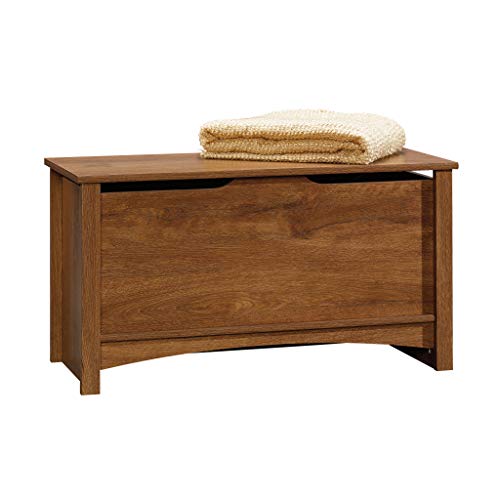
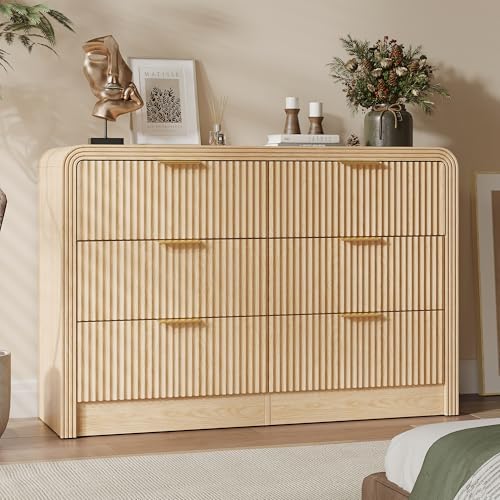
Oak Chests: The Complete Guide to Solid Wood Drawer Storage
Explore how oak chests of drawers combine enduring craftsmanship with practical storage. Compare construction types, drawer configurations, and style options to choose a piece that fits your bedroom for years to come.
Start the Buying GuideOak chests are among the most requested storage furniture pieces for good reason: oak is a dense, hard-wearing hardwood with a distinctive grain that ages gracefully. Whether you are searching for a compact oak chest of drawers for sale to fit a narrow bedroom wall or a tall multi-drawer unit for a growing family, understanding the construction and configuration options helps you make a confident decision.
This guide walks through the materials, sizes, drawer counts, and style families available in oak chests. It is written for shoppers who already know they want oak and now need to compare specifics before committing. Use the comparison table and buying checklist below to narrow your shortlist.
Why Choose an Oak Chest of Drawers?
Oak has been a furniture staple for centuries because of its combination of hardness, attractive grain, and resistance to wear. A well-built solid oak chest can serve as a long-term investment that outlasts several replacements of lighter furniture.
- Durability: Oak rates high on the Janka hardness scale, meaning drawer fronts and tops resist dents and scratches better than softer woods.
- Repairability: Solid oak can be sanded and refinished, which extends the usable life of the piece and allows restyling later.
- Natural variation: Each oak chest displays a unique grain pattern and tone, adding warmth that painted or veneered pieces cannot replicate.
- Timeless design: Oak works across traditional, farmhouse, and contemporary interiors, so the piece remains relevant as your decor evolves.
- Structural stability: Dense hardwood frames hold drawer alignment better over time, reducing the sagging and sticking that can affect softer materials.
Buyer insight: Solid oak construction sits in the mid-tier to high-end tier depending on joinery and finish. Models with dovetail joints, metal drawer runners, and kiln-dried timber represent the strongest long-term choice for daily use.
Solid Oak vs Oak Veneer: What to Know
Not every chest labeled "oak" is built the same way. The two common constructions are solid oak and oak veneer over engineered wood. Both can look attractive, but they differ in durability, repairability, and how they perform in humid rooms.
| Construction | Tier | Best For | Considerations |
|---|---|---|---|
| Solid oak | High-end tier | Long-term bedroom use, heavy daily storage, heirloom pieces | Heavier weight; may show natural grain variation; repairable through sanding and refinishing |
| Oak veneer over MDF or plywood | Mid-range | Visual consistency, lighter weight, apartment or guest room use | Cannot be sanded deeply; edges need protection from moisture; grain pattern is uniform |
| Oak-veneered engineered core with solid oak frame | Balanced tier | Blending durability with stable panels and reduced weight | Check that drawer fronts and top are solid or thick veneer for best longevity |
If you plan to keep the chest for a decade or more, solid oak is the more dependable path. If you prefer a precise uniform finish and a lighter piece for occasional use, a quality veneer is a reasonable balanced-tier option. When comparing, look at the drawer sides and back panel: solid oak throughout signals higher-grade construction.
Sizes and Drawer Configurations for Oak Chests
Chests are defined by their taller-than-wide profile and stacked drawer layout. The right size depends on your room dimensions, how much you store, and whether the chest must fit beside a bed or inside a closet. For more on the broader category, see our chest of drawers guide.
Common drawer counts
- 3-drawer oak chests: Compact and ideal for small bedrooms, nurseries, or guest rooms. Often paired with a changing tray in baby rooms.
- 4- and 5-drawer oak chests: The balanced tier for most adults. Deep bottom drawers accommodate folded clothing while upper drawers handle accessories.
- 6- to 9-drawer oak chests: High-capacity storage for couples, larger wardrobes, or rooms that lack built-in closets. Taller models suit narrow floor footprints.
Height and footprint considerations
- Measure the intended wall space and leave at least a few inches on each side for drawer clearance and door swing.
- In small rooms, a tall narrow oak chest uses vertical space and preserves floor area. See our small dresser guide for related layout tips.
- For rooms with limited width but generous wall height, a tallboy configuration works well. Browse tallboy chests for more examples of this shape.
- If you need extra surface area for decor, look at wider wide dressers as an alternative format.
Popular Oak Chest Styles
Oak chests span traditional and modern aesthetics. The style you choose affects the visual weight of the piece and how it fits your room's palette.
- Traditional or antique-inspired: Decorative handles, bracket feet, and visible grain. Antique or antique-look options offer character, as seen in the antique chests collection.
- Farmhouse and rustic: Natural or whitewashed oak finishes with simple hardware. These pair well with farmhouse dresser styles.
- Mid-century modern: Clean lines, tapered legs, and minimal hardware. Explore mid-century dressers for this look.
- Modern minimalist: Flat fronts, integrated handles, and lighter finishes. Our modern chests page covers this family.
- French provincial and painted oak: Soft curves and painted finishes over oak. The French provincial chests guide explains the details.
If you prefer a consistent set, matching oak dresser and nightstand sets make it easier to coordinate grain and finish across the bedroom.
Hardware, Finish, and Drawer Mechanics
The details on an oak chest determine day-to-day usability. When comparing options, pay attention to these three areas:
Hardware
- Solid metal handles and knobs feel steadier than hollow or thin castings. Bronze, brass, and matte black are common pairings with oak.
- Handle style influences the overall look: cup pulls read traditional, while bar pulls lean modern.
- Consider whether hardware is replaceable later if you want to update the style.
Finish
- Oiled oak develops a matte, natural look and can be re-oiled periodically. Waxed finishes offer a soft sheen and a bit more surface protection.
- Lacquered or varnished oak is easier to clean but may require professional refinishing if damaged.
- Whitewashed and limed oak finishes lighten the grain and suit coastal or Scandinavian rooms.
Drawer mechanics
- Metal ball-bearing runners provide smooth, quiet operation and are common in mid-range and high-end chests.
- Wood-on-wood runners are traditional and durable but may need waxing for smooth travel.
- Dovetail joints at drawer corners are a mark of sturdy construction, especially on solid wood chests.
- Drawer stops prevent accidental pull-out and protect the front edges from damage.
Oak Chest Buying Checklist
Before finalizing a purchase, run through these points to confirm the chest matches your room and routine.
- Measure twice: Confirm width, depth, and height against your wall space and doorway clearance.
- Check drawer travel: Open drawers fully in the room to confirm they do not collide with beds or doors.
- Verify construction: Look for solid oak frame and top, dovetail drawers, and smooth runners.
- Match your storage volume: Estimate how many folded garments and accessories you own before choosing drawer count.
- Confirm finish care: Ask whether the finish is oiled, waxed, or lacquered and what upkeep it needs.
- Plan for anchoring: Tall chests should be secured to the wall for safety, especially in homes with children.
- Review delivery: Note whether assembly is required and check access for large pieces.
Pro tip: Bring your drawer liner or divider measurements when shopping. Interior drawer dimensions vary more than exterior dimensions suggest, and planning storage accessories ahead avoids surprises.
Where Oak Chests Work Best
Oak chests are versatile beyond the primary bedroom:
- Nursery: A low 3-drawer chest can double as a changing station. See nursery chests for safety considerations.
- Guest room: A compact chest keeps folded linens and spare bedding accessible.
- Living room: A low oak chest can serve as a media console or blanket storage. Explore living room chests for placement ideas.
- Closet: A slim chest inside a walk-in closet improves organization. Browse chests for closet for narrow options.
- Entryway or hallway: A shallow oak chest holds gloves, scarves, and small accessories near the door.
For inspiration on styling the top surface, see our guide to on-top-of-dresser storage ideas.
Frequently Asked Questions About Oak Chests
What is the difference between an oak chest and an oak dresser?
An oak chest is typically taller than it is wide and designed for single-user storage with stacked drawers, while an oak dresser is usually wider and may include a mirror or a combination of drawers and cabinets. Both fall under the broader category of oak chests of drawers, but the chest form is more compact for tight spaces.
Is solid oak better than oak veneer for a chest of drawers?
Solid oak offers superior durability, repairability, and long-term structural integrity, making it a top-tier choice. Oak veneer over engineered wood can mimic the look at a lower tier of investment but is less forgiving of moisture and impacts. For heavy daily use, solid oak construction is the more reliable option.
How many drawers should an oak chest have?
The ideal drawer count depends on your storage needs and room size. A 3-drawer oak chest suits compact spaces and light storage, a 4- or 5-drawer model is the balanced tier for most bedrooms, and a 6- to 9-drawer chest offers high-capacity organization for couples or larger wardrobes.
Do oak chests require special maintenance?
Oak chests need minimal upkeep. Dust regularly with a soft cloth, avoid prolonged direct sunlight, and reapply a furniture wax or oil every six to twelve months for oiled finishes. Keep the piece away from direct heat sources and wipe spills promptly to preserve the wood's natural grain and finish.
Can an oak chest be used in rooms other than the bedroom?
Yes. Oak chests work well in living rooms as media or linen storage, in entryways for gloves and accessories, in nurseries for baby clothing, and in home offices for supplies. The sturdy construction and classic grain make oak a versatile choice across multiple rooms.
Ready to Choose Your Oak Chest?
Compare recommended oak chests of drawers and solid wood storage options below, then check availability for the size and style that fits your space.
View Recommended Oak Chests