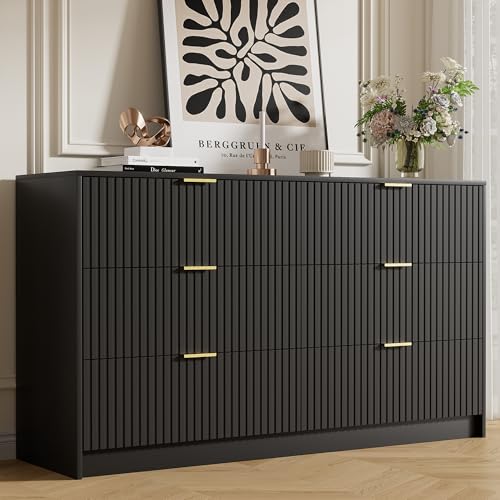
Black Hardware Dressers: A Complete Buying Guide
Bold contrast, clean lines, and a finish that elevates any bedroom. Learn how to choose a dresser with black hardware that fits your space, style, and storage needs.
Why Black Hardware Changes Everything
Hardware is the jewelry of a dresser. A switch to black pulls, knobs, or handles can shift a piece from dated to deliberate in minutes. Black hardware dressers work across design languages because black itself is neutral yet graphic — it anchors light woods, sharpens white finishes, and adds depth to dark stains. Whether you are shopping for a new dresser or upgrading an existing one, understanding how black hardware behaves on different surfaces is the key to a result you will love for years.
This guide covers the finishes that pair best with black hardware, the hardware shapes that define each style, the drawer and frame considerations that affect durability, and the styling choices that make the contrast feel intentional rather than accidental. If you are also refreshing the surrounding room, our guides to a black wood dresser and a black velvet dresser explore complementary directions.
High Contrast, Low Effort
Black hardware against oak, ash, or white paint creates instant definition without repainting or refinishing the body.
Style Flexibility
Bar pulls read modern, cup pulls read farmhouse, and round knobs read classic. The same black finish covers all three.
Easy Upgrade Path
Swapping hardware is the least invasive way to modernize a dresser. Match the hole spacing and you can reuse the existing holes.
Choosing the Dresser Body Finish
The body of the dresser sets the stage. Black hardware looks sharpest when there is enough tonal difference between the surface and the pulls, so the choice of finish matters as much as the hardware itself.
| Body Finish | Visual Effect | Best For |
|---|---|---|
| White or cream painted | Maximum contrast; hardware reads as graphic accents | Bright bedrooms, coastal and transitional interiors |
| Natural oak or ash | Warm wood tones softened by crisp black lines | Scandinavian, Japandi, and modern farmhouse rooms |
| Black-stained wood | Tonal, monochrome look; hardware recedes into the piece | Moody bedrooms and industrial lofts |
| Walnut or mid-tone stain | Rich, grounded contrast with a slightly softer edge | Mid-century and classic bedrooms |
| Gray or greige painted | Subtle contrast; calm and contemporary | Neutral, minimalist spaces |
Editor's note: If you are pairing black hardware with a dark body, choose a slightly different black for the hardware — matte pulls on satin paint, or brushed black on flat matte — so the detail remains visible under low bedroom lighting.
Hardware Shapes and the Styles They Define
The silhouette of the pull or knob communicates a style before anyone reads a label. Pair the shape with the room's architecture and the dresser's lines.
Bar Pulls
Slim horizontal or vertical bars give a clean, contemporary look. They suit handle-less, flat-front drawers and modern or industrial rooms.
Cup Pulls
Curved cup shapes lean farmhouse and cottage. They work well on paneled fronts and painted bodies, and they read warm rather than stark.
Round Knobs
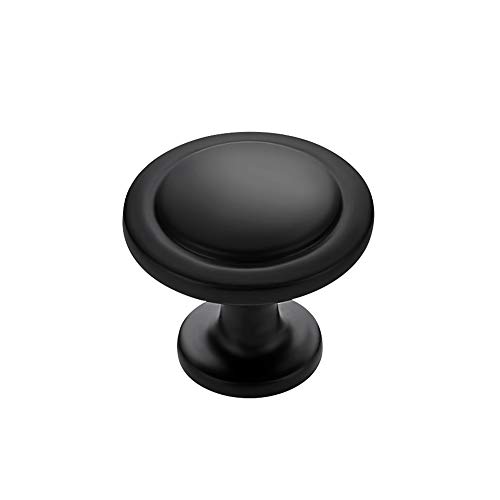
The most versatile option. A simple black knob suits classic, transitional, and Shaker-style dressers and is the easiest shape to install.
Edge Pulls
Recessed or integrated pulls keep the facade minimal. They are common on mid-range and premium modern dressers with soft-close drawers.
Drop Pulls
Hinged, hanging pulls bring vintage and antique character. They pair beautifully with dark stained or distressed finishes.
Mixed Hardware
Combining a knob on top drawers with a bar pull below adds visual rhythm. Keep the finish consistent and vary only the shape.
Construction Details That Matter
Hardware is the visible layer, but the drawer mechanics and frame determine how the dresser feels in daily use. Use this checklist when comparing options across tiers.
- Drawer slides: Ball-bearing metal slides with soft-close mechanisms are the baseline for mid-range and premium dressers; entry-level models often use simpler roller slides.
- Joinery: Dovetail joints at drawer corners signal durable construction; stapled or glued joints are common on entry-level pieces.
- Drawer bottoms: A thicker bottom panel and a center support rail reduce sagging in wide drawers that carry clothing.
- Hardware mounting: Check whether knobs attach with machine screws and inserts or with wood screws directly into the front panel. Inserts hold up better over years of use.
- Anti-tip hardware: Wall-anchoring kits are essential for tall dressers, especially in nurseries and children's rooms.
- Finish durability: Matte black hardware coatings resist fingerprints better than gloss; painted bodies benefit from a topcoat that resists scuffs.
Comparing Dressers by Tier
Black hardware dressers span every quality tier. Use these universal descriptors to compare models on construction and finish rather than on any single number.
| Tier | Typical Construction | Hardware Notes | Best For |
|---|---|---|---|
| Entry-level | Engineered wood body, roller slides, simple joinery | Basic black knobs or bar pulls with wood-screw mounting | Guest rooms, dorms, first apartments |
| Mid-range | Solid wood or mixed construction, ball-bearing slides | Matte black hardware with machine-screw inserts | Primary bedrooms, long-term daily use |
| Premium | Solid hardwood, dovetail drawers, soft-close slides | High-grade steel or solid brass with black finish | Design-forward rooms, heirloom-level ownership |
| Luxury | Hand-finished hardwood, premium joinery, custom details | Designer hardware, often hand-finished or bespoke | Custom interiors and signature bedroom pieces |
Mid-range models usually offer the most balanced combination of durable slides, consistent black finishes, and a broad range of styles. Entry-level pieces can work well in secondary rooms where the dresser sees lighter use, while premium and luxury tiers justify themselves through joinery and finish longevity.
Styling Black Hardware Dressers
Once the dresser is in the room, the goal is to make the black hardware feel like part of a larger composition. These approaches keep the contrast intentional.
Repeat the Black
Echo the hardware with a black mirror frame, lamp base, or curtain rod so the pulls read as part of a palette, not an isolated detail.
Layer Warm Textiles
Soft throws, woven baskets, and natural linen temper the graphic edge of black hardware and add warmth to the bedroom.
Keep the Top Light
A few well-chosen objects — a tray, a plant, a framed print — prevent the dresser top from becoming cluttered and keep attention on the hardware lines.
Pairing tip: If you are building a coordinated bedroom, the same black hardware language can carry into a black nightstand set or a black tall dresser with deep drawers, giving the room a consistent visual rhythm.
Upgrading an Existing Dresser with Black Hardware
If you already own a dresser you like, changing the hardware is the most efficient way to refresh it. The process is straightforward when you prepare correctly.
- Measure hole spacing: Measure center-to-center distance on existing knobs and pulls, and record both horizontal and vertical spacing.
- Choose matching hardware: Pick black knobs or pulls with the same spacing so you can reuse the existing holes without drilling.
- Match screw length: Drawer fronts vary in thickness. Confirm that the included screws are long enough for your drawer front but not so long that they protrude inside.
- Test the finish: Matte black is the most forgiving for daily use. Satin and brushed black look refined but show handling marks more readily.
- Add a jig: If you are drilling new holes, a simple hardware jig keeps spacing consistent across every drawer.
For a deeper look at hardware options, our guide to black knobs for dresser drawers covers knob styles, sizing, and finish choices in more detail.
Common Mistakes to Avoid
- Ignoring the body tone: Black hardware on a very dark body can disappear in low light. Introduce a subtle sheen difference to keep the detail visible.
- Mixing metal finishes carelessly: Black hardware with warm brass accents can work beautifully, but too many metal tones in one room can feel scattered. Limit the palette to two.
- Overlooking drawer glide quality: A beautiful facade loses appeal quickly if drawers stick. Check slide quality before committing.
- Skipping anti-tip anchoring: Tall dressers should always be anchored to the wall, particularly in homes with children.
- Choosing hardware before measuring: Buying pulls without checking hole spacing often leads to unnecessary drilling and patching.
Frequently Asked Questions
What are black hardware dressers?
Black hardware dressers are storage pieces featuring drawer pulls, knobs, or handles finished in black. The hardware can sit on any dresser body color, though the most striking combinations pair black hardware with light wood, white, or neutral finishes for sharp contrast.
Do black handles show fingerprints?
Matte black finishes hide fingerprints and smudges better than polished or gloss black. If you prefer a satin or brushed black finish, expect to wipe the hardware occasionally with a soft dry cloth to keep it looking crisp.
Can I add black hardware to an existing dresser?
Yes. Swapping knobs and pulls is one of the simplest upgrades for an older dresser. Measure the hole spacing on your current hardware first, then choose black knobs or pulls with matching spacing so you can reuse the existing drill holes.
What style works best with black hardware?
Black hardware suits modern, industrial, mid-century, and farmhouse interiors. Slim bar pulls feel contemporary, cup pulls lean farmhouse, and round knobs give a classic or transitional look. Choose the shape to match the surrounding decor.
Ready to Compare Black Hardware Dressers?
Browse curated options across tiers and styles, then check availability for the model that fits your space.
Explore Options