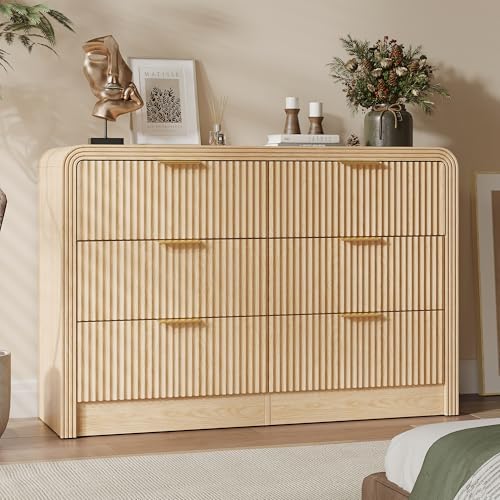
Natural Oak Dresser: The Complete Buying Guide
From grain character to drawer mechanics, learn how to choose a natural oak dresser that balances durability, timeless style, and everyday storage for your bedroom.
Explore Buying CriteriaWhy natural oak? Oak is one of the most trusted hardwoods in bedroom furniture. Its dense fibers resist dents, its open grain takes finishes beautifully, and a clear or oiled surface keeps the wood's natural character visible for decades. If you want a dresser that ages gracefully rather than following short-lived trends, a natural oak piece is a strong long-term investment.
What Makes a Dresser "Natural Oak"?
A natural oak dresser is built primarily from oak lumber or oak veneer and finished in a way that preserves the wood's original color and grain. Unlike stained or painted pieces, natural oak relies on the species' own palette — warm honey tones in red oak, cooler beige and olive undertones in white oak — plus a clear lacquer, hardwax oil, or soap finish to protect the surface.
Two construction paths dominate the category. Solid oak dressers use thicker boards for drawer fronts, tops, and frames, offering the most authentic grain continuity and repairability. Oak veneer dressers use a stable engineered core wrapped in a thin oak layer, which reduces movement and keeps large panels flat. Both can be high quality; the difference lies in where the oak is used and how thick it is.
If you are comparing materials more broadly, our high-quality solid wood dresser guide explains how oak stacks up against maple, walnut, and cherry. For a lighter palette that still shows grain, the light wood chest of drawers overview is a useful companion read.
Red Oak vs. White Oak: Know the Difference
Most natural oak dressers are made from one of two species, and the choice affects both appearance and performance.
| Attribute | Red Oak | White Oak |
|---|---|---|
| Color tone | Warm, pinkish-honey undertones | Cooler beige with olive-gray hints |
| Grain pattern | Open, pronounced, high contrast | Tighter, straighter, more subtle |
| Density & stability | Dense and durable | Slightly denser, more water-resistant |
| Best for | Rustic, farmhouse, and warm-toned rooms | Modern, Scandinavian, and high-end interiors |
| Typical tier | Mid-range to premium | Premium to luxury |
Neither species is inherently better — they simply suit different rooms. Red oak's lively grain works well in distressed dresser and farmhouse settings, while white oak's calmer surface complements minimalist and contemporary spaces.
Finishes That Keep Oak Looking Natural
The finish determines how "natural" a dresser actually feels. Four options dominate the market:
Hardwax Oil
Penetrates the wood rather than coating it, leaving an open-pore feel and a matte, low-sheen look. Easy to spot-repair and ideal for solid oak.
Clear Lacquer
Forms a protective film that resists spills and daily wear. Common on mid-range and premium pieces; choose a matte or satin sheen to avoid a plastic look.
Soap Finish
A Scandinavian technique that leaves a pale, velvety surface. Beautiful on white oak but requires periodic reapplication with soap flakes.
Tinted Clear Coat
Lightly tinted to even out color variation. Often found on entry-level oak veneer dressers; durable but less repairable than oil.
Whichever finish you choose, confirm that the drawer interiors are also sealed or lined. Unsealed oak interiors can transfer tannins onto light clothing over time.
Sizing a Natural Oak Dresser for Your Room
Oak furniture is substantial, so measurements matter more than with lightweight materials. Start with the wall space and walking clearance, then choose a footprint that leaves at least 30 inches of open floor for drawers to extend.
Common configurations
- Three-drawer oak dresser: Compact footprint, well suited to guest rooms, dorms, and smaller bedrooms. See our modern 3 drawer dresser notes for layout ideas.
- Six-drawer oak dresser: The most versatile size for couples, balancing storage volume with a manageable width. The six drawer dresser guide covers drawer-height trade-offs.
- Nine-drawer oak dresser: Maximum organization for shared bedrooms and larger wardrobes. Compare options in our solid wood 9 drawer dresser roundup.
- Tall or narrow oak dressers: Useful when wall space is limited. The tall skinny dresser article explains how vertical storage changes the feel of a room.
If your bedroom is compact, also review shallow-depth dressers for small spaces to see how a few inches of depth savings can keep walkways clear.
Buying Criteria: What to Check Before You Commit
Use this checklist when comparing natural oak dressers online or in showrooms. It separates durable, well-built pieces from those that only look the part.
- Drawer joinery: Dovetail joints signal long-term durability; stapled or glued boxes are acceptable on entry-level pieces but less repairable.
- Drawer glides: Metal side-mounted or under-mount slides with a smooth, quiet action are preferable to wood-on-wood runners in humid climates.
- Oak thickness: Look for at least 0.6 mm oak veneer on panels and 18–20 mm solid oak on drawer fronts and tops.
- Back panel: A rigid back panel (plywood or solid wood) prevents racking and keeps the case square over time.
- Weight capacity: Deep drawers loaded with denim or knitwear need reinforced bottoms and sturdy slides; check the stated capacity.
- Finish consistency: Natural oak shows variation by design, but drawer fronts should be grain-matched within a set.
- Hardware: Solid metal pulls in brass, bronze, or matte black age better than plated zinc. Browse pull handles for dresser drawers if you plan to swap hardware later.
- Safety features: Anti-tip kits are essential, especially for tall oak dressers in homes with children.
Not sure how oak compares with walnut or pine? Our material comparison guides walk through durability, grain, and care side by side.
Compare Walnut DressersMatching Natural Oak to Your Bedroom Style
Natural oak is unusually adaptable because its neutral palette works with almost any color scheme. The key is matching the grain intensity and hardware to the room's existing language.
Scandinavian & Minimalist
Choose white oak with tapered legs, matte black or brushed brass pulls, and an oiled finish. Keep the dresser top uncluttered with one lamp and a ceramic tray.
Farmhouse & Rustic
Red oak with visible knots, cup pulls, and a slightly distressed edge fits the farmhouse look. Pair with linen bedding and woven baskets.
Mid-Century Modern
Look for tapered legs, inset drawer fronts, and warm honey-toned oak. Our mid-century 6 drawer dresser guide covers the silhouette details that define the era.
Transitional & Classic
White oak with subtle molding, ring pulls, and a satin lacquer finish bridges traditional and contemporary rooms. A matching nightstand completes the set.
If your room leans traditional, the Shaker style dresser overview explains how clean lines and honest joinery pair naturally with oak. For a more ornate direction, explore French country chest of drawers designs that can be executed in oak with painted accents.
Organizing a Natural Oak Dresser
Oak drawers are typically deep and wide, which is an advantage for bulky items but can lead to clutter if not zoned deliberately. A simple approach:
- Top drawer: Undergarments and socks in divided inserts.
- Middle drawers: Folded tops and knitwear using vertical folding.
- Bottom drawers: Denim, activewear, and off-season items in breathable storage bags.
Line drawers with felt or cork to protect the oak interior and reduce sliding. For jewelry or small valuables, consider a model with a hidden compartment — the dresser with hidden jewelry drawer guide explains the options. If you need extra surface area for styling, a dresser bench placed at the foot of the bed complements the oak tone without competing with it.
Caring for a Natural Oak Dresser
Oak is forgiving, but natural finishes reward consistent, gentle maintenance.
- Dust weekly with a microfiber cloth. Avoid silicone-based polishes, which can build up and dull the grain.
- Wipe spills promptly with a slightly damp cloth, then dry immediately. Oak is water-resistant but not waterproof.
- Re-oil oiled finishes every six to twelve months with a hardwax oil or furniture oil recommended by the maker.
- Control humidity between 40% and 60%. Extreme swings cause solid oak to expand and contract, which can loosen joints over time.
- Avoid direct sunlight on one side of the dresser for long periods; rotate decorative objects to prevent uneven patina.
- Tighten hardware annually and check anti-tip straps, especially in households with children.
If the finish is lacquer rather than oil, clean with a mild soap solution and avoid abrasive pads. For deeper restoration, consult a furniture refinisher rather than sanding a veneered surface yourself.
Who Is a Natural Oak Dresser Best For?
Natural oak suits buyers who prioritize longevity, repairability, and a material that develops character over time. It is a strong fit for:
- Homeowners furnishing a primary bedroom for the long term.
- Couples who need six to nine drawers of shared storage.
- Anyone building a cohesive bedroom set — oak pairs easily with matching nightstands and bed frames.
- Shoppers who prefer visible wood grain over painted or laminate surfaces.
It may be less suitable for very humid bathrooms or spaces with extreme temperature swings, and it is heavier than engineered wood alternatives — plan for two-person delivery and assembly. If you are furnishing a nursery, the nursery dresser guide covers safety anchoring and changing-table compatibility. For shared kids' rooms, see children's dressers for height and drawer-weight considerations.
Frequently Asked Questions
Is natural oak a good choice for a bedroom dresser?
Yes. Oak is a dense hardwood with strong grain definition and good dimensional stability, which makes it well suited to drawer fronts and frames that see daily use. Natural, unstained finishes highlight the grain and pair easily with many decor styles.
What is the difference between red oak and white oak dressers?
Red oak has a warmer tone and more open, pronounced grain, while white oak is slightly denser, more water-resistant, and shows a tighter, straighter grain with cooler undertones. Both are durable, but white oak is often favored for high-end and commercial-grade pieces.
How many drawers should a natural oak dresser have?
For a single adult, four to six drawers typically cover clothing storage well. Couples often prefer six to nine drawers, while a three-drawer design suits guest rooms, dorm spaces, or nurseries where volume is lower.
Does natural oak furniture need special care?
Dust regularly with a soft cloth, avoid silicone-based polishes, and keep the piece out of direct sunlight to prevent uneven fading. Re-oil or re-wax oiled finishes every six to twelve months, and use coasters under plants or lamps to protect the surface.
Can a natural oak dresser be painted later?
Yes, but it requires preparation. Sand the existing finish, apply a bonding primer, then paint. Keep in mind that painting a solid oak piece is usually irreversible and may reduce its long-term appeal compared with a clear or oiled finish.
Ready to compare specific models? Browse our curated selection of natural oak dressers and storage pieces below, filtered for quality construction and practical drawer layouts.
View Recommended Oak Dressers