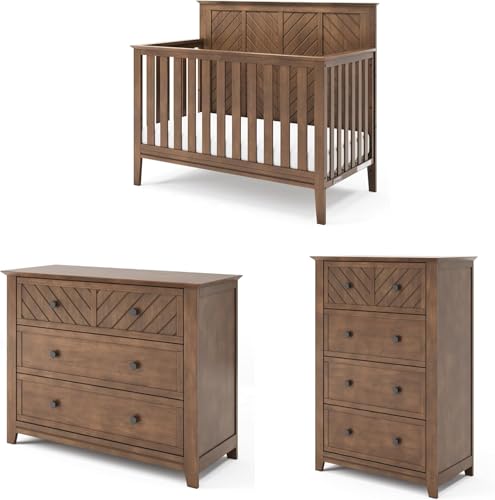
Crib and Dresser Set: The Complete Nursery Buying Guide
Everything you need to know before choosing a coordinated crib and dresser set for a safe, stylish, and well-organized nursery.
START EXPLORINGWhy a coordinated crib and dresser set matters: A matching set brings visual harmony to the nursery while ensuring consistent build quality and finishes. More importantly, a well-planned combination of crib, dresser, and changing surface creates a functional workflow that makes middle-of-the-night care easier. This guide walks you through sizing, safety standards, materials, storage capacity, and styling so you can choose with confidence.
What Is a Crib and Dresser Set?
A crib and dresser set is a coordinated nursery furniture pairing that typically includes a baby crib and a matching dresser, often with an optional changing table topper. These sets are designed to share the same finish, hardware, and design language, giving the nursery a cohesive look while simplifying the shopping process. Many parents choose a set because it removes the guesswork of matching wood tones and ensures the pieces are proportioned to work together in a compact room.
Beyond aesthetics, a well-chosen set supports the daily rhythm of infant care. The dresser doubles as a changing station when paired with a contoured pad, and its drawers keep diapers, wipes, and clothing within arm's reach. As your child grows, the dresser often transitions into a standalone storage piece that outlasts the crib years. For families planning a long-term nursery, this versatility makes the set a worthwhile investment.
Sizing and Room Planning
Before selecting a set, measure your nursery carefully. A standard crib occupies roughly 28 by 52 inches of floor space, and a dresser typically ranges from 30 to 60 inches wide depending on drawer count and configuration. Leave at least 30 inches of clearance between furniture pieces to allow comfortable movement, and keep the crib away from windows, cords, and wall-mounted decor.
If your nursery is compact, consider a narrow set of drawers for bedroom paired with a mini crib, or explore shallow dresser options for small bedrooms that preserve floor space. For rooms with generous dimensions, a tall and wide dresser for bedroom offers substantial storage without dominating the layout. Matching the scale of the dresser to the crib is essential; an oversized dresser can overwhelm a small crib and make the room feel cramped.
Safety Standards and Anchoring
Safety should be the first filter in your decision. Look for cribs that meet current safety standards, including fixed-side designs and sturdy slat spacing. Dressers must be stable and, ideally, come with anti-tip hardware. Always anchor dressers to the wall, especially in nurseries where climbing becomes inevitable as toddlers grow.
When using a dresser as a changing table, choose a contoured changing pad with a safety strap and place it on a surface with raised edges or a dedicated topper. Avoid placing the changing area near the crib's reach or above hard flooring without a rug for cushioning. For additional peace of mind, review nursery dressers designed with rounded corners and non-toxic finishes.
Materials and Finish Considerations
Nursery furniture is exposed to spills, wipes, and frequent cleaning, so finish durability matters. Solid wood offers longevity and can be refinished, while engineered wood with quality veneers provides stability and consistent appearance. For a natural look, consider a solid pine dresser or a natural oak dresser that pairs beautifully with light-toned cribs.
If you prefer a painted finish, a white dresser with white handles creates a clean, calming backdrop. Always verify that finishes are low-VOC and child-safe. Hardware should be smooth and securely attached; pull handles for dresser drawers with rounded edges reduce the risk of snags.
Storage Capacity and Drawer Configuration
Nursery storage needs evolve quickly. A dresser with a mix of deep and shallow drawers handles both bulky blankets and small items like socks and onesies. A six drawer dresser offers a balanced layout for most nurseries, while a solid wood 9 drawer dresser suits families who want maximum organization.
Consider a dresser with large deep drawers for bedding and seasonal clothing, and use drawer dividers to keep small items tidy. If you plan to use the dresser as a changing station, ensure the top drawer glides smoothly and the surface height is comfortable for standing care.
Style Coordination and Nursery Aesthetics
A crib and dresser set should harmonize with your nursery's overall design. For a timeless look, a shaker style dresser pairs well with simple crib lines. For a softer, more traditional feel, a French country dresser adds warmth and character.
If you prefer a modern nursery, a mid-century modern 4 drawer dresser brings clean lines and tapered legs. For a bright, airy feel, a white dresser with small drawers on top offers both style and functional organization. Whichever direction you choose, keep the finish consistent across crib and dresser to maintain visual cohesion.
Crib, Dresser, and Changing Table Combos
Many families opt for a three-in-one approach: a crib, dresser, and changing table combo that consolidates functionality into a smaller footprint. A crib dresser changing table combo is ideal for compact nurseries, while a crib with changing table and dresser offers a complete solution for parents who want a single coordinated purchase.
These combos often include a removable changing topper that converts the dresser into a standalone piece once diapering is done. If you already own a crib, a nursery dresser with a compatible topper can achieve the same effect. For long-term flexibility, pair a convertible crib with a solid wood bedroom dresser set that transitions into a child's room.
Nursery Organization Tips
An organized nursery reduces stress during late-night feedings and diaper changes. Keep the most-used items in the top drawers, and reserve lower drawers for out-of-season clothing and bedding. Use hidden jewelry drawer features to store small keepsakes safely away from curious hands.
Consider a dresser bookshelf combination to display books and decor while keeping the changing surface clear. A dresser closet combo can maximize storage in rooms with limited closet space. For additional storage, explore chest of drawers with shelves that offer open display and closed storage in one piece.
Transitioning Beyond the Nursery Years
One of the strongest arguments for a quality crib and dresser set is longevity. Once the crib is retired, the dresser can anchor a toddler room or guest bedroom. A children's dresser with sturdy construction and safe hardware will serve for years. If you plan ahead, choose a dresser that can be paired with a nursery wardrobe set for a complete big-kid room later.
For families who want a coordinated look that grows with the child, a white bedside table and dresser pairing offers a fresh, adaptable palette. And if you prefer a softer transition, a whitewash dresser and nightstand set brings a relaxed, coastal feel to a growing child's room.
Quick Buying Checklist
- Measure twice: Confirm crib and dresser dimensions against your nursery floor plan.
- Verify safety: Check crib standards and anti-tip hardware for the dresser.
- Choose a durable finish: Low-VOC, wipe-clean surfaces are ideal for nurseries.
- Plan storage: Mix deep and shallow drawers for versatility.
- Anchor everything: Secure dressers and shelving to the wall.
- Think long-term: Choose a dresser that can transition to a child's room.
Final thought: A crib and dresser set is more than a furniture purchase—it's the foundation of a safe, functional, and beautiful nursery. Prioritize safety, measure carefully, and choose a style that brings you calm every time you walk into the room. With the right set, you'll spend less time organizing and more time enjoying those early years.