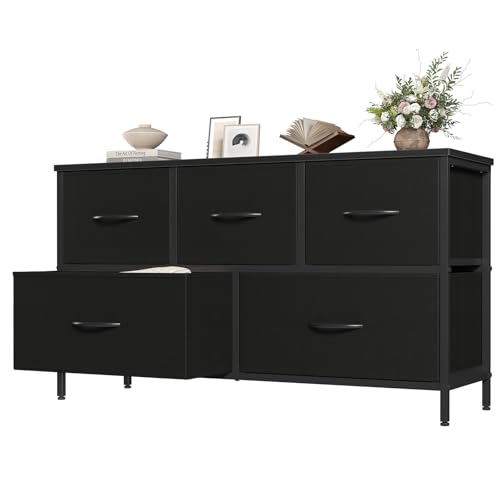
Dressers for Closet: Smart Storage Solutions for Tight Spaces
A dresser inside your closet can transform a crowded walk-in into a streamlined, organized dressing zone. This guide explains how to choose the right size, configuration, and placement so every drawer works for you.
Quick Takeaway: The best dresser for a closet balances compact depth with generous drawer capacity. Measure your wall space, door clearance, and drawer swing radius before committing to a unit. A well-chosen closet dresser reduces bedroom clutter and keeps your daily wardrobe within arm's reach.
Why Put a Dresser Inside Your Closet?
Walk-in closets are often treated as pure hanging space, but the floor area and back wall are frequently underused. A dresser for closet installation converts that dead space into functional storage. The benefits are practical: folded clothing stays within the same zone as hanging garments, dressing becomes a single-stop routine, and the bedroom floor regains valuable square footage.
For households with limited bedroom space, moving a dresser into the closet can eliminate a bulky furniture footprint near the bed. This is especially useful in apartments and smaller homes where every square foot counts. If you are weighing furniture types, our dresser vs armoire comparison explains when a tall armoire might serve better than a low dresser.
Sizing a Dresser for a Closet
Size is the single most important factor. A closet dresser must fit the wall without blocking doors, hanging rods, or walkways. Standard bedroom dressers are often too deep for closet placement, so prioritize shallower units designed for tight quarters.
As a rule of thumb:
- Width: 24 to 48 inches fits most closet walls; measure from corner to door frame.
- Depth: 15 to 18 inches keeps walkways clear and allows drawers to open fully.
- Height: 30 to 40 inches for standard access; taller units suit narrow closets with vertical space.
For very narrow closets, consider a dresser less than 30 inches wide that still provides multiple drawers. If your closet is long but shallow, a wide, low unit may distribute storage more evenly than a tall chest.
Types of Dressers That Work in Closets
Not every dresser style suits closet placement. The following configurations are the most practical:
Narrow and Tall Units
A tall, narrow dresser maximizes vertical storage in a closet with limited floor width. These units often feature four to six drawers stacked in a compact footprint. Look for models with full-extension drawers so you can reach items at the back without straining.
Low and Wide Configurations
If your closet has a long back wall, a low, wide dresser can sit beneath a hanging rod or window. This arrangement keeps folded clothing at a comfortable height and preserves hanging space above. A dresser with open shelves and drawers adds flexibility for shoes and accessories.
Modular and Stackable Options
Modular drawer units let you build storage around existing closet features such as shelving or built-in organizers. These systems are often shallower than traditional dressers and can be rearranged as your needs change. They are a strong choice for renters who want flexible, non-permanent storage.
Dressers with Hanging Rods
A dresser with a hanging rod combines folded and hanging storage in one piece, which is ideal for small closets where separate zones are not possible. This hybrid approach suits capsule wardrobes and seasonal rotation.
Organizing a Dresser Inside a Closet
Placement is only half the equation. How you organize the drawers determines whether the unit actually simplifies your routine.
- Assign by frequency: Keep everyday items in the top and middle drawers at waist height; reserve lower drawers for seasonal or bulky items.
- Use dividers: Drawer dividers keep socks, underwear, and accessories from turning into a jumbled pile.
- Fold vertically: Standing folded garments on edge lets you see everything at a glance and prevents the stack from collapsing.
- Group by category: Dedicate each drawer to one category—tops, bottoms, activewear, delicates—so you never have to search.
For a deeper walkthrough, see our dresser with lots of storage guide, which covers drawer layout strategies for high-capacity units. If you prefer a dedicated clothing approach, our dressers that hold a lot of clothes article compares capacity across configurations.
Placement Tips for Closet Dressers
Where you position the dresser affects both usability and safety:
- Leave drawer clearance: Allow at least 24 inches in front of the dresser so drawers can open fully.
- Avoid blocking the door: Confirm the unit does not interfere with door swing or entry.
- Anchor tall units: Secure tall dressers to the wall to prevent tipping, especially in closets with children or pets.
- Consider lighting: If the closet is dim, add a battery-powered light or choose a unit near the doorway.
- Protect from moisture: In closets adjacent to bathrooms, choose sealed finishes to guard against humidity.
If your closet is simply too small for a full dresser, a dresser that fits in a closet guide can help you identify compact alternatives, including slim drawer towers and under-shelf units.
Materials and Build Quality
Closets are enclosed spaces, so material choice matters for durability and air quality. Solid wood and high-grade engineered wood with sealed finishes resist warping in fluctuating humidity. Look for:
- Dovetail or reinforced drawer joints for long-term durability.
- Metal drawer glides with full extension so drawers open completely.
- Sealed, low-emission finishes to keep the enclosed space comfortable.
Entry-level units often use stapled joints and partial-extension slides, while mid-range and premium tiers typically add dovetail construction and smoother mechanisms. Our dresser style guide covers how construction quality varies across styles and tiers.
Comparing Closet Dresser Configurations
| Tier | Best For | Typical Construction |
|---|---|---|
| Essential tier | Small closets, rental spaces, light use | Engineered wood, stapled joints, partial-extension slides |
| Balanced tier | Walk-in closets with daily use | Solid wood frame, reinforced joints, full-extension slides |
| Top-tier | High-traffic closets, long-term investment | Hardwood construction, dovetail drawers, soft-close hardware |
Common Mistakes to Avoid
- Buying before measuring: Always measure wall width, depth clearance, and door swing first.
- Choosing too deep a unit: Standard bedroom dressers often block closet walkways.
- Skipping wall anchoring: Tall closet dressers should be secured for safety.
- Ignoring drawer layout: A unit with many shallow drawers suits accessories; deep drawers suit bulky clothing.
- Overlooking lighting: A dark closet makes even an organized dresser hard to use.
Our dresser vs chest of drawers comparison helps clarify which form fits your closet's proportions, while the dresser styles overview highlights finishes that suit enclosed spaces.
Frequently Asked Questions
What size dresser fits in a walk-in closet?
A unit between 24 and 48 inches wide with a depth of 15 to 18 inches typically works best. Measure wall space, door swing, and drawer clearance before deciding.
Is it better to put a dresser inside or outside a closet?
A dresser inside the closet frees bedroom floor space and centralizes clothing storage. If the closet is very tight, a narrow dresser placed just outside may offer easier access.
How do I organize a dresser inside a closet?
Sort by category, use drawer dividers for small items, fold vertically, and place frequently worn clothing at waist height. Reserve deep drawers for bulky garments.
Should a closet dresser have drawers or shelves?
Drawers protect clothing from dust and conceal clutter. A combination unit with drawers and open shelves offers flexibility for folded garments and display items alike.
Final Thoughts
A well-chosen dresser for your closet turns a cramped storage area into a functional dressing station. Prioritize accurate measurements, a shallow profile, and a drawer layout that matches your wardrobe. With the right unit in place, your closet becomes the organized centerpiece of your daily routine rather than a source of clutter.
Browse our dressers and chests collection for more configuration ideas, and explore dressers for small spaces if your closet doubles as a compact bedroom storage solution.