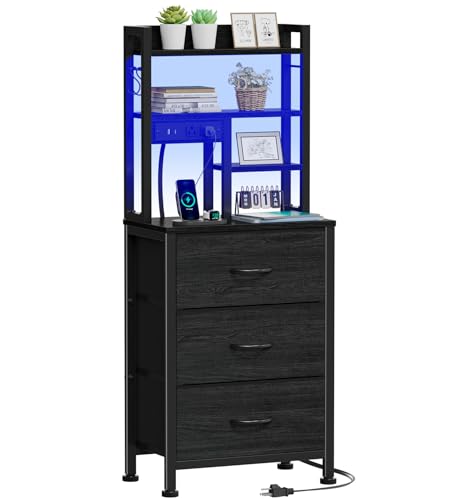
Dresser Bookshelf: The Ultimate Storage & Display Combo
Blend closed drawer storage with open shelving in one smart piece. Learn how a dresser bookshelf can transform your bedroom, living room, or entryway into a clutter-free, stylish space.
EXPLORE TYPES & TIPSWhy a dresser bookshelf? A dresser bookshelf (also called a dresser with shelves or bookshelf dresser combo) merges two essential furniture functions: concealed storage for clothing and linens, plus open display space for books, decor, and everyday essentials. It is a space-saving solution that reduces the number of separate pieces in a room while keeping everything organized and accessible.
What Is a Dresser Bookshelf?
A dresser bookshelf is a hybrid furniture piece that combines a traditional chest of drawers or dresser base with an open shelving section. The shelving can be positioned above the drawers, beside them, or integrated into the side structure. This design is ideal for people who want the clothing storage of a dresser alongside the display and accessibility of a bookshelf.
Unlike a standard dresser, which is mostly closed storage, a dresser bookshelf offers a mix of both. The open shelves are perfect for books, decorative objects, plants, or frequently used items, while the drawers keep clothing, accessories, and personal items out of sight. This dual-purpose approach is especially valuable in smaller rooms where every piece of furniture needs to earn its place.
If you are comparing storage options, you might also explore a dresser with hutch, which offers a similar combined function but with a more traditional hutch structure, or a storage dresser for pure drawer capacity. For those who need flexible modular storage, a cube storage dresser is another hybrid worth considering.
Types of Dresser Bookshelf Designs
Dresser bookshelf combos come in several configurations. The right choice depends on your room layout, the amount of storage you need, and how much display space you want. Here are the most common types:
Over-the-Dresser Shelving
The shelving unit sits directly above or is attached to the back of the dresser. This vertical design maximizes wall space and is ideal for narrow rooms or apartments where floor space is limited. The shelves can hold books, small plants, and decorative items without encroaching on the drawer area.
Side-by-Side Configuration
The dresser base and bookshelf section are placed next to each other as a single integrated unit. This layout works well in wider rooms and provides a balanced, symmetrical look. The drawers are usually on one side, while the open shelves occupy the other.
Ladder-Style Bookshelf Dresser
A ladder-style shelving section leans or attaches to the dresser, creating a casual, contemporary look. This style is often seen in modern and Scandinavian-inspired interiors and is a good fit for renters or those who prefer a less permanent arrangement.
Corner Dresser Bookshelf
Designed to fit into a corner, this configuration makes efficient use of awkward spaces. The drawers and shelves are arranged in an L-shape or angled layout, providing both storage and display without blocking traffic flow.
Each type has its own advantages. Over-the-dresser shelving is the most space-efficient, while side-by-side units offer more surface area for display. Ladder-style options are often easier to assemble and reposition, and corner units are excellent for small bedrooms or home offices. When evaluating these options, consider how much closed storage you need versus how much open display space you want.
Materials and Construction Quality
The materials used in a dresser bookshelf determine its durability, appearance, and long-term performance. Here is what to look for across quality tiers:
Entry-Level Tier
Entry-level dresser bookshelves are typically constructed from engineered wood such as particleboard or MDF with a laminate or veneer finish. These pieces are suitable for light use, such as in a guest room, dorm, or temporary living space. The construction is generally adequate for holding clothing and a moderate number of books, but they may not withstand heavy loads or frequent moving. Assembly is usually required, and the hardware may be basic.
Mid-Range Tier
Mid-range options often use a combination of solid wood and engineered wood, with reinforced joinery and higher-quality hardware. Drawers may feature metal glides for smoother operation, and the shelving is typically sturdier. This tier is a good balance for most households, offering reliable performance for everyday use in a primary bedroom or living area. A high-quality solid wood dresser in this tier can last for many years with proper care.
Premium and Luxury Tiers
Premium dresser bookshelves are built with solid hardwood (such as oak, walnut, or maple), dovetail drawer joints, and soft-close hardware. These pieces are designed for long-term use and often feature hand-finished details. Luxury-tier models may include custom sizing, integrated lighting, or specialty finishes. They are a worthwhile investment for those who value craftsmanship and intend to keep the furniture for decades.
| Feature | Entry-Level Tier | Mid-Range Tier | Premium / Luxury Tier |
|---|---|---|---|
| Primary Material | Particleboard or MDF with laminate | Mixed solid wood and engineered wood | Solid hardwood (oak, walnut, maple) |
| Drawer Joints | Basic butt or stapled joints | Reinforced joints with metal glides | Dovetail joints with soft-close hardware |
| Shelf Capacity | Light to moderate loads | Moderate to heavy loads | Heavy loads with reinforced supports |
| Best For | Guest rooms, dorms, temporary setups | Primary bedrooms, family living areas | Long-term homes, design-focused spaces |
When shopping, check whether the shelving has a weight rating and whether the unit includes anti-tip hardware. Stability is especially important for taller dresser bookshelf combos, and anchoring the unit to the wall is a standard safety practice.
Sizing and Placement Guide
Getting the dimensions right is critical for both functionality and safety. A dresser bookshelf that is too large for the room can feel oppressive, while one that is too small will not meet your storage needs. Use the following guidelines to plan your space:
- Measure the available wall space: Allow at least 24 to 36 inches of clearance in front of the unit for drawers to open fully.
- Consider ceiling height: Taller units (over 60 inches) should be anchored to the wall and placed away from windows or air vents.
- Match the dresser height to the room: In a bedroom, the dresser top is often used for a lamp or decorative tray. Ensure the shelving above does not block natural light or make the space feel cramped.
- Plan for traffic flow: In a living room or entryway, a dresser bookshelf should not obstruct walkways. A narrow or corner unit may be the best fit.
- Check drawer depth: Deeper drawers (18 to 24 inches) are better for clothing, while shallower drawers (12 to 16 inches) work well for accessories and smaller items.
If you are working with a tight footprint, a shallow depth dresser for small spaces or a narrow set of drawers for bedroom can be paired with wall-mounted shelving to achieve the dresser bookshelf effect without a large footprint. For closets, a tall skinny dresser for closet combined with vertical shelves can serve a similar purpose.
Room-by-Room Placement Ideas
Bedroom
In a bedroom, a dresser bookshelf is a natural fit. The drawers handle clothing and linens, while the shelves display books, framed photos, and a small plant. Place the unit opposite the bed or along a side wall, ensuring there is enough clearance for the closet door and nightstands. A low-profile dresser with a low shelving section can work well under a window, while a taller unit can anchor a wall.
Living Room
In a living room, a dresser bookshelf can serve as a media console or a display and storage hub. The drawers keep remotes, cables, and games out of sight, while the shelves hold books, decorative objects, and a soundbar. An entertainment dresser for bedroom or a dresser table with drawers can be adapted for this purpose. Choose a unit with a finish that complements your other furniture.
Entryway
An entryway dresser bookshelf provides a landing spot for keys, mail, and small accessories, with shelves for decorative items or a mirror above. A dresser bench combo or a compact unit with a bench section can add seating while keeping the space organized. For a more traditional entryway storage piece, an entryway cabinet with doors and drawers is a related option.
Nursery and Children's Room
A dresser bookshelf in a nursery can hold baby clothes in the drawers and board books or soft toys on the lower shelves. Ensure the unit is securely anchored to the wall and that shelves are not overloaded. For related nursery storage, explore nursery dresser options and children's dressers designed with safety features.
Key Buying Considerations
Before choosing a dresser bookshelf, evaluate the following factors to ensure you get a piece that fits your needs and space:
- Storage ratio: Decide how much closed drawer space versus open shelf space you need. If you have many small items, more drawers may be better; if you want to display books and decor, prioritize shelving.
- Drawer mechanism: Metal glides with a smooth action and soft-close features are preferable for daily use. Check whether the drawers have stops to prevent them from pulling out completely.
- Shelving adjustability: Adjustable shelves allow you to customize the height for books, bins, or decor. Fixed shelves are sturdier but less flexible.
- Finish and style: Choose a finish that matches your existing furniture. A white dresser with small drawers on top can pair well with open white shelving for a cohesive look, while a walnut wood dresser offers a richer, more traditional appearance.
- Safety features: Anti-tip straps, wall-anchoring hardware, and rounded edges are important, especially in homes with children or pets.
- Assembly and delivery: Some units arrive fully assembled, while others require flat-pack assembly. Consider whether you are comfortable with the assembly process and whether the unit will fit through doorways and stairwells.
If you are comparing this piece to other hybrid storage options, you may also want to look at a chest of drawers with shelves or a dresser cabinet for additional closed storage. For a more traditional look, a provincial dresser or a shaker style dresser can be paired with separate shelving to achieve a similar effect.
Ready to find the right dresser bookshelf for your space? Browse our curated selection of recommended dressers and storage pieces below. Each option is chosen for its combination of functionality, durability, and design.
VIEW RECOMMENDED OPTIONSFrequently Asked Questions
What is the difference between a dresser bookshelf and a standard dresser?
A standard dresser is primarily closed storage with drawers. A dresser bookshelf adds an open shelving section, allowing you to display books, decor, and frequently used items while keeping clothing and personal items in the drawers. The combination reduces the need for separate furniture pieces.
Is a dresser bookshelf stable enough for books?
Most mid-range and premium dresser bookshelves are designed to hold books, but you should check the weight rating of the shelves. Distribute weight evenly and avoid overloading upper shelves. For heavy book collections, look for units with reinforced shelving and solid wood construction.
Can a dresser bookshelf be used in a small apartment?
Yes. A dresser bookshelf is an excellent space-saving choice for apartments because it combines two functions in one footprint. Choose a vertical or over-the-dresser shelving design to maximize wall space, and consider a lightweight dresser if you need to move the unit frequently.
How do I childproof a dresser bookshelf?
Anchor the unit to the wall using the provided anti-tip hardware or a wall strap. Avoid placing heavy items on upper shelves, and use drawer latches or stops to prevent drawers from being pulled out. For nurseries and children's rooms, look for units with rounded edges and non-toxic finishes.
What is the best material for a dresser bookshelf?
Solid hardwood (such as oak, maple, or walnut) offers the best durability and longevity. Mid-range options with a combination of solid wood and engineered wood provide a good balance of stability and affordability. Entry-level engineered wood units are suitable for lighter use and temporary setups.
Can I use a dresser bookshelf as a room divider?
Yes, a dresser bookshelf can work as a low room divider in a studio apartment or open-plan space. Choose a unit with a finished back (or add a finished back panel) so it looks good from both sides. Ensure the unit is stable and anchored if it will be freestanding.
For more guidance on choosing the right storage furniture for your home, explore our dresser buying guide or compare options like the double chest of drawers for larger storage needs.