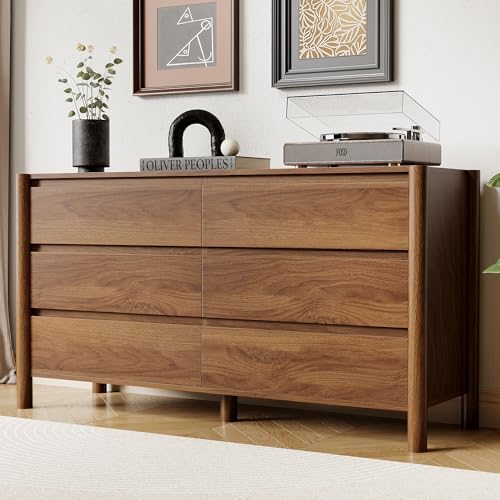
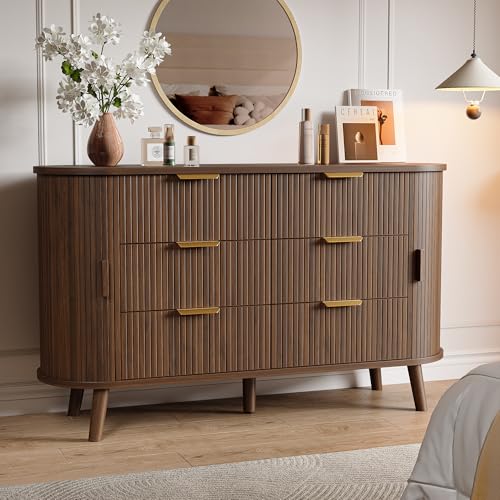
Walnut Dressers: The Complete Guide to Timeless Elegance
Rich chocolate tones, striking grain patterns, and heirloom-level durability. Discover why walnut remains one of the most sought-after woods for bedroom furniture — and how to choose the right piece for your home.
Why Choose a Walnut Dresser?
Walnut has been a cornerstone of fine furniture making for centuries. Its deep, warm color ranges from honey-brown to dark chocolate, and its grain — often with swirling cathedral patterns and subtle figure — makes every piece visually distinct. Unlike oak or maple, walnut offers a natural depth that requires little embellishment to look sophisticated.
Beyond aesthetics, walnut is a dense hardwood with excellent dimensional stability. It resists warping and shrinking better than many softer woods, which means a well-constructed walnut dresser can remain a centerpiece for decades. If you are comparing materials across our materials and finishes guide, walnut consistently ranks among the top-tier choices for longevity and visual warmth.
Editor's note: Walnut's natural color deepens with age and light exposure. A newly finished piece may appear lighter and more golden; over time it settles into a rich, mellow brown. This patina is a hallmark of genuine walnut and is considered a desirable characteristic, not a defect.
Walnut also pairs beautifully with a wide range of interior styles. Mid-century modern designs lean on its clean grain and tapered legs, while traditional and transitional rooms benefit from its formal, grounded presence. For a closer look at period-inspired pieces, explore our mid-century walnut dresser guide.
Solid Walnut vs. Walnut Veneer: What You Need to Know
The term "walnut dresser" can describe two very different constructions. Understanding the difference is essential before you commit to a purchase.
Solid Walnut
The entire visible structure — drawer fronts, top, sides, and often the frame — is made from solid walnut lumber. Solid walnut pieces are heavier, show continuous grain across surfaces, and can be sanded and refinished multiple times over their lifetime. They represent a long-term investment and are typically found in premium and luxury tiers.
Walnut Veneer
A thin layer of real walnut is applied over a stable core such as plywood or MDF. High-quality veneer can look nearly identical to solid wood and offers excellent stability against humidity changes. Veneered pieces are more common in mid-range collections and can be a smart choice if you want the walnut look without the weight and premium-tier commitment.
A well-made veneer is not a compromise — it is an engineered solution that can outperform solid wood in certain climates. The key is to inspect the edges: on a quality veneered piece, the walnut layer should be visible and consistent at seams. For solid construction, look for end-grain evidence on drawer sides and the underside of the top. Our solid walnut dresser guide dives deeper into what to inspect in person.
Quick check: Look at the underside of the top and the back of the dresser. Solid walnut will show continuous grain and matching color. Veneered construction will often reveal a different core material at edges or in unseen areas.
Types of Walnut Dressers
Walnut is used across nearly every dresser category, from compact bedroom pieces to expansive storage credenzas. Here are the most common configurations and what they suit best.
| Type | Best For | Typical Drawer Count |
|---|---|---|
| Standard bedroom dresser | Primary clothing storage in adult bedrooms | 6–8 |
| Tall chest / tallboy | Small footprints; vertical storage | 5–6 |
| Wide dresser / credenza style | Living rooms, entryways, large bedrooms | 6–9 |
| Mid-century dresser | Retro and modern interiors; tapered legs | 6–9 |
| Bachelor chest | Guest rooms, smaller spaces | 3–4 |
If you are working with limited floor space, a tall walnut chest can deliver significant storage without dominating the room. For wider rooms, a walnut credenza-style dresser doubles as a media console or display surface. Explore our credenza dresser guide for dual-purpose layout ideas.
Dressers with mirrors are another classic walnut configuration. The dark wood frame contrasts elegantly with reflective glass. See our dressers with mirror collection for styling inspiration.
Choosing the Right Size Walnut Dresser
Before falling in love with a grain pattern, measure your space. A dresser that is too large will crowd the room; one that is too small will leave you short on storage. Use these general guidelines as a starting point.
- Small bedrooms (under 120 sq ft): A 3–5 drawer dresser around 36–48 inches wide keeps walkways clear. Consider a tall, narrow profile to preserve floor space.
- Standard bedrooms (120–200 sq ft): A 6–8 drawer dresser in the 55–70 inch range fits comfortably alongside a queen or king bed.
- Large bedrooms and suites: Wide dressers 70 inches and above, or a dresser paired with a matching chest, provide generous storage without feeling sparse.
Leave at least 30 inches of clearance in front of drawers so they can open fully. If your room is tight, measure the swing of the door and the path to the closet before finalizing. Our complete dresser buying guide includes a printable measurement checklist you can bring to the store.
Pro tip: Walnut's dark tone can make a large piece feel visually heavier. In smaller rooms, choose a design with tapered legs or a floating base to create visual lightness, or pair a walnut dresser with lighter wall colors and textiles.
Finishes, Hardware, and Detail Choices
The finish on a walnut dresser determines how the grain reads and how well the piece holds up over time. Most quality walnut furniture uses one of three approaches:
Natural / Oil Finish
Penetrating oil enhances the wood's natural color and tactile feel. It requires occasional reapplication but develops a beautiful patina. Ideal for those who want an authentic, matte look.
Lacquer / Polyurethane
A film-forming finish that offers greater protection against spills and daily wear. It can be matte, satin, or gloss. Satin is the most common choice for walnut because it balances protection with a natural appearance.
Hardware is another design lever. Walnut's dark grain pairs exceptionally well with brass and gold-toned pulls, which add warmth and a touch of glamour. Black hardware creates a bolder, more contemporary contrast. If you are updating an existing piece, our drawer knob guide covers sizing and style matching.
For a fully modern look, consider a fluted or slatted walnut front. These textured designs play with light and shadow while keeping the rich walnut color front and center. See our fluted wood dresser examples for reference.
How to Assess Walnut Dresser Quality
Not all walnut dressers are built to the same standard. Use the following checklist whether you are shopping in person or evaluating an online listing.
- Joinery: Look for dovetail joints on drawer boxes. Dovetails are a sign of durable, long-lasting construction. Staples and glue alone are a red flag in premium-tier furniture.
- Drawer glides: Metal ball-bearing slides or high-quality wooden runners should open smoothly and close flush. Test every drawer if possible.
- Grain continuity: On solid walnut pieces, grain should flow naturally across drawer fronts. Mismatched grain can indicate veneer or lower-grade lumber selection.
- Weight and stability: Solid walnut is dense and heavy. A quality piece should feel grounded and should not wobble when you press on a corner.
- Finish consistency: The finish should be even, with no drips, rough patches, or overspray on hardware. Check inside drawers and on the back panel as well.
- Back panel and dust panels: A finished or sealed back panel protects against moisture and pests. Dust panels between drawers keep clothing clean.
If you are comparing a walnut dresser against other hardwood options, our solid wood 6-drawer dresser review provides a useful benchmark for construction expectations. For a broader view of quality signals across furniture categories, see our dresser reviews section.
Styling Your Walnut Dresser
Walnut's rich tone is a natural anchor for bedroom decor. Because it is visually strong, it works best when surrounding elements are chosen with intention.
Pair with light textiles. Crisp white bedding, linen curtains, and a pale rug let the walnut stand out without competition. If you prefer a moodier palette, deep greens, navy, and charcoal create a sophisticated, layered look.
Keep the top surface curated. A walnut dresser top is a display opportunity. A single ceramic vase, a small stack of books, or a framed print can be enough. Avoid overcrowding — the grain itself is the star.
Mix metals carefully. Brass and warm gold accents complement walnut's brown undertones. Chrome and cool silver can work in modern settings but may feel stark against traditional walnut pieces.
For more room-level inspiration, browse our bedroom dresser ideas and dresser styling tips.
Caring for a Walnut Dresser
Walnut is durable, but it still benefits from routine care. Keep these habits in mind:
- Dust regularly with a soft, dry cloth. Avoid abrasive pads or silicone-based polishes that can build up over time.
- Control humidity. Walnut performs best in stable indoor conditions. Avoid placing the dresser directly next to radiators, heating vents, or in damp basements.
- Use coasters and felt pads. Protect the finish from hot mugs, cold glasses, and sharp objects. Felt pads under decorative items prevent scratches.
- Clean spills promptly with a slightly damp cloth, then dry immediately. Do not let liquids sit on the surface.
- Re-oil if needed. If your dresser has an oil finish, plan to reapply a thin coat every 1–2 years depending on wear and climate.
For refinishing or repair projects, our guide to refinishing wood furniture covers prep and finishing steps for walnut and similar hardwoods.
Frequently Asked Questions
Is walnut a good wood for a dresser?
Yes. Walnut is a dense, stable hardwood that resists warping and holds up well to daily use. Its natural color and grain pattern make it a popular choice for both traditional and modern bedroom furniture. A well-built walnut dresser is considered a long-term investment.
How can I tell if a dresser is solid walnut or veneer?
Check the underside of the top, the back panel, and the drawer sides. Solid walnut will show continuous grain and matching color throughout. Veneered pieces often reveal a different core material at edges or in unseen areas. Also look at the weight — solid walnut is noticeably heavier than veneered construction.
Does walnut furniture change color over time?
Yes. Walnut naturally lightens slightly and develops a warmer, more mellow patina with age and light exposure. This is a normal characteristic of the wood and is generally considered desirable. UV-blocking window treatments can slow the process if you prefer to preserve the original tone.
What hardware pairs best with a walnut dresser?
Brass and gold-toned pulls are classic pairings because they add warmth and contrast without competing with the grain. Black hardware creates a more modern, high-contrast look. Matte nickel and bronze can also work depending on the rest of your room's finishes.
How do I protect a walnut dresser from scratches?
Use felt pads under decorative items, avoid dragging objects across the top, and dust with a soft cloth rather than abrasive materials. A satin or matte lacquer finish offers more surface protection than an oil finish. For high-traffic areas, a protective runner or desk pad can help.
Ready to Find Your Walnut Dresser?
Explore our curated selection of walnut dressers and bedroom storage pieces below. Compare styles, sizes, and features to find the perfect fit for your space.
View Recommended Walnut Dressers