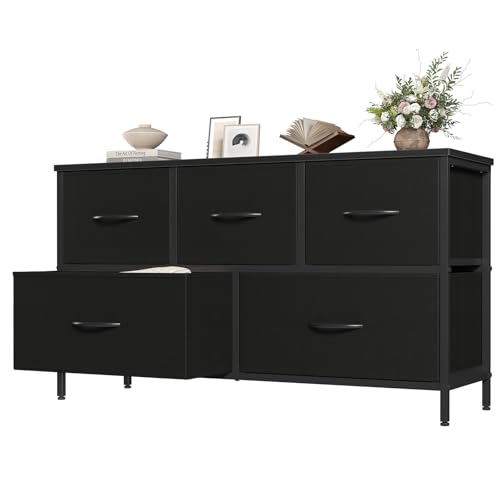
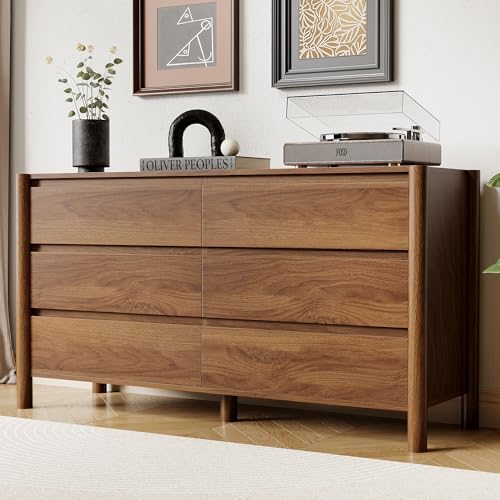
Low Profile Dresser: Space-Saving Storage That Works Harder
A low profile dresser keeps your bedroom feeling open while delivering serious drawer capacity. Here is everything you need to know about height, depth, drawer layout, and style before you choose one.
Explore Buying FactorsWho this guide is for: If you are researching a dresser that sits lower than a standard chest, you likely have a compact bedroom, a sloped ceiling, a window you do not want to block, or a preference for a clean, uncluttered sightline. This page walks through the practical trade-offs so you can shortlist the right piece with confidence.
What Counts as a Low Profile Dresser?
A low profile dresser generally stands shorter than a conventional chest of drawers, with the top surface sitting closer to the floor. Rather than a single fixed measurement, think of it as a category defined by proportion: the piece is wide or deep enough to hold a useful number of drawers, yet short enough to keep the room visually open. This makes it a natural fit for rooms where a tall chest would feel heavy or obstruct sightlines.
Because the term covers a range of builds, the smartest approach is to compare candidates by how they use horizontal space. A wider, lower footprint often gives you the same storage as a taller, narrower chest, but with a different visual effect. If you also need to fit a tight wall, pair this guide with our overview of shallow depth dressers for small spaces so height and depth are planned together.
Why Choose a Lower Dresser?
Low dressers solve specific problems that taller furniture can create. The most common reasons buyers move toward this format include:
- Unobstructed windows and views: A low top surface keeps natural light flowing and leaves the wall above free for art or a mirror.
- Better visual balance in small rooms: Lower furniture makes ceilings appear higher and rooms feel less crowded.
- Easy access for children and seated users: Drawers positioned lower are simpler to reach, which is useful in a child's room or for anyone who prefers not to stretch overhead.
- Flexible placement: A low dresser can sit under a window, beside a bed, or along a wall where a tall piece would not fit cleanly.
- Multi-purpose surfaces: The broad, low top works as a display area, a catch-all tray zone, or even a spot for a compact lamp.
For households with young children, a lower format can also pair well with a dedicated kids' storage plan; see our notes on children's dressers for safety and height considerations.
Key Buying Factors for a Low Profile Dresser
Before comparing specific models, lock in the dimensions and layout that match your room. The factors below matter more than any single style detail.
Height and Sightline
Decide how much wall you want to keep clear above the dresser. A lower top preserves window space and keeps art visible.
Width and Footprint
Measure the available wall run and door swing. A wide, low dresser needs more horizontal clearance than a tall chest.
Drawer Depth and Layout
Deep drawers hold bulkier items; shallow drawers suit folded tops. Mixed layouts often work best in a low format.
Material and Build
Solid wood and reinforced joinery resist sagging over time, which matters more in a wide, low body that carries load across its span.
Drawer Glides
Smooth, full-extension glides make lower drawers easier to use, especially when the dresser sits close to a bed.
Style and Finish
Low profiles suit modern, mid-century, and Scandinavian rooms. Lighter finishes help compact rooms feel airier.
Low Profile vs Standard Chest: A Practical Comparison
The table below compares the two formats on the factors that most often decide a purchase. Use the "Best For" column to match the piece to your room rather than to a single number.
| Factor | Low Profile Dresser | Standard Chest of Drawers | Best For |
|---|---|---|---|
| Vertical footprint | Shorter, keeps upper wall clear | Taller, uses vertical space | Rooms with windows or sloped ceilings |
| Horizontal footprint | Usually wider or deeper | Usually narrower | Wide walls with limited height |
| Visual effect | Open, airy, ceiling appears higher | Substantial, space-filling | Compact bedrooms |
| Accessibility | Easy reach for children and seated users | Upper drawers require stretching | Family rooms and shared bedrooms |
| Top surface use | Broad display or utility area | Smaller, higher surface | Decor display and lamp placement |
| Stability planning | Needs a wide, level base and wall anchoring | Taller body requires anti-tip anchoring | Households with children or pets |
Drawer Layouts That Work in a Low Body
A low dresser spreads its storage across a wider area, so the internal layout matters as much as the exterior. Consider these common configurations:
- Three wide drawers: A simple, clean layout that suits folded clothing and linens. Fewer, wider drawers reduce visual clutter on the front.
- Six to eight mixed drawers: Combines shallow top drawers for accessories with deeper lower drawers for bulkier items.
- Side-by-side columns: Two narrow columns create a symmetrical look and let you separate his-and-hers storage or adult and child items.
- Drawer plus open shelf: Some low designs include a shelf or cubby; if that appeals, review chest of drawers with shelves for layout ideas.
If you need maximum internal volume without adding height, a wide dresser with deep drawers is often the most space-efficient choice in this category.
Placement Ideas for Low Dressers
Low furniture opens up placement options that taller pieces cannot match. A few reliable arrangements:
- Under a window: The most common use case. Keep the top clear or use only low-profile decor so the window remains the focal point.
- Beside the bed as a nightstand alternative: A compact low dresser can double as a bedside surface with storage below. Compare proportions with our guide to narrow sets of drawers for the bedroom if the gap is tight.
- Along a long wall: A wide low dresser anchors a large blank wall without making the room feel top-heavy.
- In a closet or dressing area: Lower units fit under hanging rails more easily; see short chest of drawers for closet for closet-specific sizing.
- At the foot of the bed: A low, wide piece can serve as a bench-height surface in larger rooms, provided there is clear walking space.
Materials, Durability, and Long-Term Use
A low dresser carries load across a wider span, so construction quality matters. Solid wood bodies and reinforced corner joinery resist sagging better than light engineered builds. Drawer boxes with dovetail or reinforced joints and metal glides tend to stay smooth for longer. If longevity is a priority, our overview of a high-quality solid wood dresser explains what to inspect in person or in product photos.
Finish choice also affects how the piece ages. Lighter finishes and natural wood tones suit airy rooms, while painted finishes hide minor wear more readily. If you like a natural look, see how a natural oak dresser fits into a low-profile layout.
Safety and Stability Checklist
Any dresser, especially a wide low model, should be anchored to the wall. Use the manufacturer's anti-tip kit and follow the load guidance for each drawer. Avoid overloading the top surface, and keep heavy items in lower drawers where possible. In households with children, confirm that drawer stops and soft-close mechanisms are working, and keep the wall anchor secure as part of routine maintenance.
Common Questions About Low Profile Dressers
Is a low profile dresser the same as a lowboy?
They overlap but are not identical. "Lowboy" is a traditional term for a lower chest, often with a specific leg and drawer style. "Low profile dresser" is a broader, modern description based on height and visual weight. If you like traditional styling, browse lowboy dresser options alongside modern low profiles.
Will a low dresser hold as much as a tall chest?
Often yes, if it is wider. Storage volume depends on total drawer area, not height alone. A wide low model with deep drawers can match or exceed a narrow tall chest. Check the internal drawer dimensions rather than the exterior height.
Can I place a low dresser under a window?
Yes, provided the top sits below the sill and you leave clearance for curtains and airflow. Measure the sill height and any radiator or vent before committing.
What styles suit a low profile dresser?
Modern, mid-century, Scandinavian, and minimalist rooms are natural fits. Clean lines and tapered legs keep the piece visually light. For contrast, a Shaker style dresser offers a classic look that still works at a lower height.
Do I need to anchor a low dresser to the wall?
Always follow the manufacturer's instructions. Wall anchoring is recommended for all dressers, and it is especially important in homes with children or pets. A wide low body can still tip if drawers are left open and weight is distributed poorly.
Ready to Compare Low Profile Options?
Review the recommended pieces below, then confirm dimensions and drawer layout against your room measurements before you decide.
View Recommended Dressers