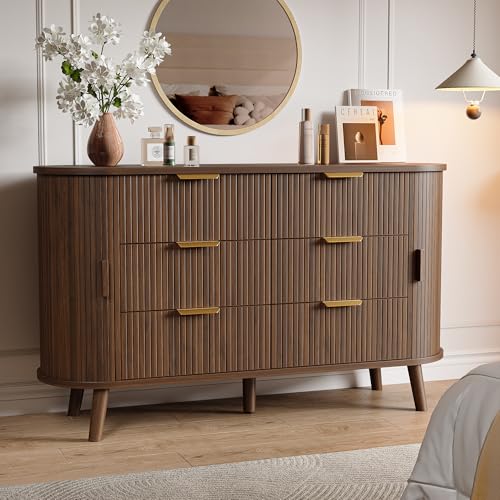
Scandinavian Dresser: The Complete Buying Guide
Clean lines, natural materials, and functional design — discover why the Scandinavian dresser is the quiet hero of Nordic bedroom style, and learn how to choose the right one for your space.
Why the Scandinavian dresser deserves your attention: If you're researching bedroom storage, you've likely narrowed your options to a style that feels calm, functional, and built to last. The Scandinavian dresser delivers on all three. Rooted in the Nordic design philosophy of form follows function, these pieces combine minimalist aesthetics with practical storage — making them a smart choice for bedrooms of every size. Below, we break down materials, sizing, drawer mechanisms, styling, and the details that separate a solid piece from a compromise.
What Defines a Scandinavian Dresser?
Scandinavian design emerged in the early 20th century across Denmark, Norway, and Sweden, guided by the principle that everyday objects should be beautiful, functional, and accessible. A Scandinavian dresser reflects that heritage through several signature traits:
Clean, Uncluttered Lines
Straight profiles, subtle curves, and minimal ornamentation. No heavy carving or faux finishes — just honest geometry that lets the material speak.
Light, Natural Wood Tones
Oak, ash, pine, and birch dominate, often finished with clear oil, white wash, or soap treatment to preserve the pale, airy look.
Tapered Legs & Raised Profiles
Slender tapered legs lift the piece off the floor, creating visual space and an airy feel — especially valuable in smaller bedrooms.
Integrated, Minimal Hardware
Pulls are often recessed, integrated into the drawer face, or kept deliberately simple — reducing visual noise and keeping the focus on form.
Function-First Storage
Drawer counts and configurations are designed around real wardrobe needs — from deep blanket drawers to shallow accessory trays.
Sustainable Craftsmanship
Scandinavian makers prioritize responsibly sourced timber, durable joinery, and repairable construction over disposable design.
Choosing the Right Material
The material is the single biggest factor in how a Scandinavian dresser looks, feels, and ages. Here's how the common options compare:
| Material | Character | Best For | Durability Notes |
|---|---|---|---|
| Oak | Pale, warm, pronounced grain | Long-term investment pieces; high-traffic bedrooms | Heavy-duty; develops a beautiful patina over time |
| Ash | Light, elastic, subtle grain | Modern and minimalist interiors | Excellent strength-to-weight ratio; resists shock |
| Pine | Soft, rustic, warm tone | Casual or cottage-style bedrooms | Softer surface; dents more easily but easy to repair |
| Birch | Very pale, uniform, fine grain | Bright, airy rooms; painted or whitewashed looks | Hard and dense; can be sensitive to moisture |
| Walnut (accent) | Rich, dark, dramatic grain | Contrast pieces in lighter Nordic schemes | Premium tier; very durable and stable |
Buying tip: A mid-range Scandinavian dresser typically uses solid wood for the drawer fronts and frame, with plywood or engineered panels for the sides and back. Entry-level models may use veneered particleboard — acceptable if the joinery is solid, but less resistant to moisture and wear. If you want a piece that will last decades, prioritize solid wood drawer boxes and dovetail or dowel joinery.
Sizing Your Scandinavian Dresser
Scandinavian design excels in compact spaces, so getting the dimensions right matters more than adding extra drawers. Consider these practical guidelines:
- Shallow depth (40–45 cm): Ideal for narrow bedrooms and hallways; keeps floor space open while still fitting folded clothing.
- Standard depth (45–50 cm): The sweet spot for most bedrooms — accommodates sweaters, linens, and folded shirts comfortably.
- Wide and low profile: A long, low dresser doubles as a console or media surface and keeps sightlines low, making rooms feel larger.
- Tall and narrow: Maximizes vertical storage in small footprints; best paired with a mirror or wall art above.
- Leave 60–90 cm of clearance: Ensure enough room to fully open drawers without blocking walkways or closet doors.
Small-space shortcut: Look for a Scandinavian dresser with tapered legs and a light finish. The raised profile and pale tone reflect light and visually expand the room — a classic Nordic trick. For tight bedrooms, shallow-depth dressers for small spaces are worth exploring, and if you need a compact footprint, skinny dressers for small spaces offer a smart alternative.
Understanding Quality Tiers
Scandinavian dressers span a wide range of construction quality. Rather than focusing on numbers, use these tier descriptors to benchmark what you're getting at each level:
| Tier | Typical Construction | What to Expect | Best For |
|---|---|---|---|
| Entry-level | Veneered engineered wood; basic metal runners | Clean look, lighter build; functional but less durable long-term | First apartments, guest rooms, temporary setups |
| Mid-range | Solid wood fronts; plywood carcass; soft-close runners | Good value for its tier; smoother operation and better finish | Primary bedrooms; everyday family use |
| Premium | Solid oak or ash throughout; dovetail joinery; full-extension slides | Refined detailing, superior stability, and longevity | Long-term investment; design-conscious homes |
| Luxury / flagship | Hand-finished solid hardwood; custom hardware; artisanal joinery | Heirloom-grade construction with exceptional attention to detail | Statement bedrooms; collector-grade furniture |
As a rule, mid-range models usually offer noticeably smoother drawer mechanisms and more consistent finishes than entry-level pieces. Premium and flagship tiers justify their position through material purity, joinery quality, and long-term durability.
Drawer Mechanisms & Joinery
The drawers are where you'll interact with your dresser every day — so the mechanism matters. Here's what to look for:
- Soft-close runners: Prevent slamming and reduce wear; standard on mid-range and premium Scandinavian dressers.
- Full-extension slides: Let you access the entire drawer depth — especially useful in deeper models.
- Dovetail joinery: Interlocking drawer corners that resist pulling apart; a hallmark of quality construction.
- Dowel or dowel-and-screw joinery: Common in Scandinavian flat-pack and mid-range pieces; durable when properly assembled.
- Solid wood drawer boxes: More stable and repairable than stapled or glued composite boxes.
How to Style a Scandinavian Dresser
The Scandinavian aesthetic thrives on restraint. A few well-chosen items will always look better than a crowded surface:
- Keep the top 70% clear. Negative space is part of the design language.
- Add one natural texture: a ceramic vase, a small potted plant, or a woven tray.
- Use a single statement lamp with a simple shade — avoid ornate or oversized fixtures.
- Layer in soft neutrals: linen runners, wool throws, or a small stack of books in muted tones.
- Let the wood grain be the hero. Skip heavy patterns and busy wall art directly above the dresser.
Styling inspiration: If you're planning the surrounding decor, our Scandinavian dresser styling guide pairs well with small bedroom dresser ideas and room dresser inspiration for a cohesive Nordic look. For a related minimalist option, explore the Shaker style dresser, which shares the same function-first philosophy.
Final Buying Checklist
Before you commit, run through this checklist to confirm the piece meets your needs:
- Measure your space — including doorways and stairwells for delivery access.
- Confirm the material — solid wood vs. veneer, and check the drawer box construction.
- Test the drawers — if shopping in person, open and close each one to check smoothness.
- Check stability — a good dresser should not wobble; look for adjustable feet or a solid base.
- Verify the finish — oil, lacquer, or water-based finish; consider durability and repairability.
- Plan the layout — make sure drawer heights match what you plan to store (deep for linens, shallow for accessories).
- Consider anchoring — especially in households with children; anti-tip kits are essential.
Frequently Asked Questions
What defines a Scandinavian dresser?
A Scandinavian dresser is characterized by clean lines, functional design, light wood tones, and minimal ornamentation. It prioritizes practicality and craftsmanship, often featuring tapered legs, integrated handles, and natural materials like oak, ash, or pine.
What wood is best for a Scandinavian dresser?
Oak and ash are the most common Scandinavian dresser materials due to their durability and attractive grain patterns. Pine offers a softer, rustic look, while birch provides a pale, uniform appearance. All are typically finished with clear oil or white wash to preserve their natural beauty.
How do I style a Scandinavian dresser?
Keep the dresser top minimal with a few curated items such as a small plant, a ceramic vase, or a simple table lamp. Avoid clutter and let the clean lines of the dresser stand out. Neutral colors and natural textures work best.
Is a Scandinavian dresser suitable for small bedrooms?
Yes, Scandinavian dressers are often designed with compact living in mind. Look for models with a shallow depth, tapered legs, and a light finish to make small bedrooms feel more spacious and airy.
What drawer mechanism should I look for in a Scandinavian dresser?
Quality Scandinavian dressers typically feature soft-close drawer runners, dovetail or dowel joinery, and solid wood drawer boxes. Mid-range and premium models often include full-extension slides for easier access to the entire drawer.
Ready to Find Your Scandinavian Dresser?
Browse our curated selection of Scandinavian and Nordic-inspired dressers, hand-picked for quality, design, and everyday function.
Explore Recommended Dressers