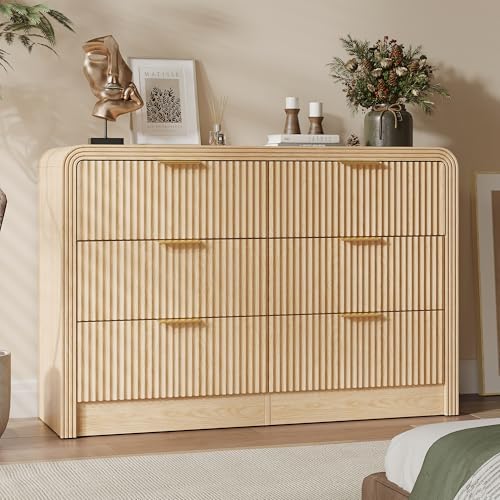
Oak Dressers: The Complete Guide to Timeless Bedroom Storage
Solid oak dressers combine heirloom durability with natural warmth. Whether you are furnishing a modern bedroom or restoring a classic space, this guide breaks down wood types, construction quality, styles, and practical buying considerations so you can choose with confidence.
Explore Oak DressersWhy oak? Oak is one of the most trusted hardwoods for bedroom furniture. Its dense grain resists dents and warping, it ages gracefully, and it takes stains and finishes beautifully. But not all "oak dressers" are equal — some use solid oak, others use oak veneers over engineered wood, and construction quality varies widely. This guide helps you tell the difference.
What Makes an Oak Dresser Different?
An oak dresser is a bedroom storage piece built primarily from oak wood — either solid oak planks or oak veneers applied over a stable core. Oak has been a furniture staple for centuries because of its hardness, pronounced grain pattern, and resistance to everyday wear. Compared with softer woods like pine, oak holds up better to frequent drawer use, scratches less easily, and maintains its structural integrity over decades.
The term covers a wide range of furniture. A classic oak dresser typically features a wide horizontal profile with multiple drawers, while a tall oak chest of drawers offers vertical storage for tighter spaces. Understanding these distinctions helps you match the piece to your room layout and storage needs.
Types of Oak Dressers
Standard Oak Dressers
The most common configuration — six to nine drawers arranged in rows across a wide frame. Ideal for bedrooms where you have wall space and want a surface for decor or a mirror. Look for dovetail joinery and full-extension glides for long-term reliability.
Oak Chest of Drawers
Taller and narrower than a standard dresser, chests stack four to six drawers vertically. They suit small bedrooms and closets where floor space is limited. A solid oak chest with anti-tip hardware is a practical choice for family homes.
Oak Dresser with Mirror
Paired with a matching mirror, an oak dresser doubles as a grooming station. The mirror adds visual height and reflects light, making smaller bedrooms feel larger. Check that the mirror attachment is secure and the dresser has a stable base.
Oak Dresser and Nightstand Set
Matching sets create a cohesive bedroom look. An oak dresser and nightstand set ensures consistent wood tone, hardware, and finish — useful if you want a pulled-together aesthetic without mixing and matching pieces.
Red Oak vs White Oak: What's the Difference?
Most oak dressers use either red oak or white oak. Both are durable, but they differ in appearance and performance:
| Feature | Red Oak | White Oak |
|---|---|---|
| Grain pattern | Open, pronounced grain | Tighter, more subtle grain |
| Colour tone | Warm, pinkish-red undertones | Golden-brown, cooler tones |
| Water resistance | Moderate — pores are open | Higher — closed-cell structure |
| Best suited for | Rustic, warm-toned bedrooms | Modern, Scandinavian, coastal styles |
| Market tier | Entry-level to mid-range | Mid-range to premium |
If you prefer a naturally weathered look with visible character, red oak is a solid choice. For a cleaner, more contemporary finish, white oak is often the better fit. Both take stains well, though white oak tends to show a more even colour after finishing.
Construction Quality: What to Look For
The difference between a dresser that lasts five years and one that lasts fifty often comes down to construction details. Here is what separates entry-level from top-tier oak dressers:
- Solid oak vs oak veneer: Solid oak planks throughout the drawer fronts and frame indicate a higher tier. Oak veneer over plywood or MDF can still be durable, but check that the veneer is thick enough to resist chipping.
- Dovetail joinery: Look for English or French dovetail joints on drawer boxes. These interlocking joints are far stronger than stapled or glued butt joints found on entry-level pieces.
- Drawer glides: Metal ball-bearing glides with full extension allow you to reach the back of the drawer easily. Wood-on-wood runners are traditional but require more maintenance.
- Dust panels: A mid-range or premium dresser typically includes dust panels between drawers, which keep clothes clean and add structural rigidity.
- Anti-tip hardware: Essential for chests and tall dressers, especially in homes with children. This is a safety feature, not an optional extra.
- Finish quality: A hand-rubbed oil or lacquer finish protects the wood and highlights the grain. Check for even coverage and no drips or rough patches.
For a deeper look at how oak compares with other furniture woods, see our guide to oak wood dressers and broader materials and finishes.
Oak Dresser Styles for Every Bedroom
Oak's natural grain works across a range of interior styles. Here are the most common directions:
Mid-Century Modern
Tapered legs, clean lines, and a warm honey finish. Mid-century oak dressers pair well with neutral walls and minimal decor. Look for angled drawer pulls and a slightly elevated base.
Farmhouse & Rustic
Distressed finishes, visible knots, and chunky hardware. A reclaimed oak dresser or one with a limed finish fits farmhouse bedrooms. These pieces often feature wide plank fronts and simple round knobs.
Scandinavian Minimalist
Pale white oak with flat fronts and integrated handles. Scandi-style oak dressers keep the grain visible but the silhouette simple. Pair with light textiles and natural materials for a calm bedroom.
Traditional & Classic
Rich stained oak with moulded edges, bracket feet, and brass hardware. A classic oak dresser with a mirror works well in period homes or rooms with heritage detailing.
Choosing the Right Size
Oak dressers range from compact three-drawer units to oversized nine-drawer pieces. Before you commit, measure your room and consider the following:
- Width: A standard dresser is 50–70 inches wide. For small bedrooms, consider a narrow oak dresser under 40 inches. An oversized dresser works in large rooms but can overwhelm tight spaces.
- Height: Standard dressers are 30–36 inches tall — comfortable for daily use. Chests reach 45–55 inches. If you plan to use the top as a changing station, check the height against your standing posture.
- Depth: Most dressers are 18–22 inches deep. Deeper drawers hold more but take up floor space. Leave at least 30 inches of clearance in front of the dresser for comfortable access.
- Drawer count: Three to four drawers suit single occupants; six to nine drawers work for couples or families. Consider whether you need deep drawers for bulky items or shallow drawers for folded clothes.
Practical Buying Considerations
When comparing oak dressers, keep these factors in mind to avoid common pitfalls:
- Check the description carefully: "Oak dresser" may mean solid oak, oak veneer, or oak-coloured laminate. Look for explicit wording like "solid oak construction" or "oak veneer over engineered wood."
- Read reviews on drawer operation: Drawer glides are a frequent point of failure. Reviews that mention smooth operation after months of use are more telling than first-impression reviews.
- Consider assembly: Some oak dressers ship flat-packed. If you prefer a ready-to-use piece, look for pre-assembled dressers or check whether assembly is included.
- Finish samples: Oak takes stain differently depending on the cut and species. If possible, request a finish sample or check customer photos to confirm the tone matches your expectations.
- Hardware replacement: Oak dressers often have standard drill spacing, making it easy to swap knobs or pulls later. Our guide to pull handles for dresser drawers covers options if you want to personalise the look.
Ready to Find Your Oak Dresser?
Browse our curated selection of oak dressers and chests of drawers, with detailed feature comparisons to help you choose the right piece for your bedroom.
View Oak Dresser OptionsCaring for Your Oak Dresser
Oak is low-maintenance but benefits from consistent care. Dust weekly with a soft, dry cloth and avoid silicone-based polishes, which can build up and dull the finish. For deeper cleaning, use a slightly damp cloth and dry immediately. Reapply a wood-safe oil or wax every one to two years, depending on humidity and sunlight exposure.
Keep the dresser out of direct sunlight to prevent uneven fading, and avoid placing it near radiators or in damp rooms. If the finish starts to look dry or scratched, a light sanding and re-oiling can restore the surface. For more on restoring oak furniture, our guide to refinished dressers covers refinishing techniques that work well on oak.
Frequently Asked Questions
Related Oak Furniture Guides
If you are building a coordinated oak bedroom, these guides may be useful: oak dresser overview, oak 6-drawer dresser guide, oak dressers collection, oak chests of drawers, oak dresser buying options, oak bureau guide, oak wood dresser materials, and oak dresser with black handles styling.