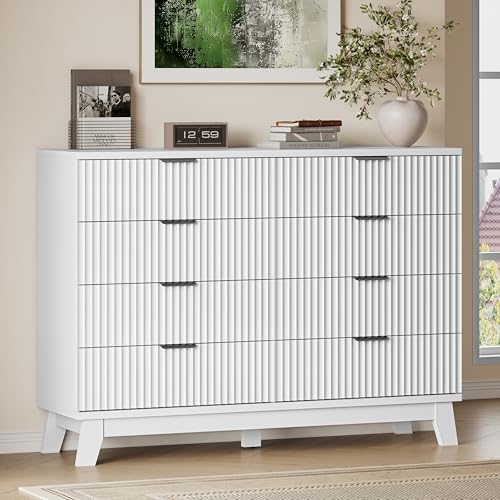
Highboy Chests: The Complete Buying Guide for Vertical Storage
Master the art of tall storage. Discover everything about highboy chests — from historic two-part construction to modern tall drawer stacks — and find the perfect piece for your bedroom.
Start ReadingWhy highboy chests matter: A highboy chest delivers serious storage in a narrow footprint, making it one of the smartest choices for compact bedrooms, guest rooms, and apartments. This guide walks you through construction, drawer layouts, materials, and placement so you can choose with confidence.
What Is a Highboy Chest?
A highboy chest is a tall, vertically oriented storage piece built around a stack of drawers. Traditionally, the term refers to a two-part furniture form: a wider lower section (often called the base or lower chest) topped by a narrower upper section with additional drawers. This stepped silhouette — with a slight overhang where the upper section meets the lower — is the defining hallmark of a classic highboy.
In modern furniture catalogs, "highboy" is also used more loosely to describe any tall chest of drawers that stands roughly five feet or higher with a compact footprint. If you are researching tall storage options, you may also encounter the highboy dresser and the high dresser, which share the same vertical design philosophy.
Quick definition: A highboy chest is a tall, narrow-footprint drawer stack — often with a two-part stepped body — designed to maximize vertical storage in a small floor area. Think "tall and mighty" rather than "wide and low."
Why Choose a Highboy Chest?
- Space efficiency: The narrow footprint frees up floor space, ideal for small bedrooms and guest rooms.
- Generous capacity: A tall stack of drawers can hold as much as a wider, lower dresser while occupying less wall length.
- Visual height: The vertical profile draws the eye upward, making low-ceiling rooms feel taller.
- Classic character: Traditional highboys bring instant heritage charm to a room, while modern versions suit minimalist and transitional interiors.
Highboy vs Tallboy vs High Dresser
These three terms are often used interchangeably, but there are meaningful differences worth understanding before you commit to a purchase.
| Feature | Highboy Chest | Tallboy Chest | High Dresser |
|---|---|---|---|
| Silhouette | Two-part, stepped body with overhang | Single continuous vertical stack | Tall but often wider than a highboy |
| Footprint | Narrow | Narrow | Moderate to wide |
| Traditional Use | Bedroom, formal guest room | Bedroom, nursery, closet | Bedroom, living room, hallway |
| Best For | Classic and heritage interiors | Compact modern bedrooms | Rooms with more wall length |
If you love the traditional look, a highboy chest is the classic choice. If you prefer a cleaner, more uniform profile, a tallboy may suit you better. And if you have slightly more wall space, a high dresser offers similar height with a broader drawer span. You can explore more tall storage forms on our high dresser page, or compare heritage styles through our guide to identifying antique dresser styles.
Anatomy & Drawer Layout
Understanding the internal structure of a highboy chest helps you evaluate quality and plan your storage. Most highboys use one of two drawer arrangements:
Stacked Drawer Layout
A uniform vertical stack of four to seven drawers is the most common modern layout. Each drawer is typically the same width, with depths that vary — shallow drawers near the top for accessories and deeper drawers toward the bottom for folded clothing and linens.
Stepped Two-Part Layout
The traditional highboy splits into a lower chest (often three to four wide drawers) and an upper section (three to four narrower drawers). The upper section may include a central stack flanked by smaller side drawers, a design detail that adds both visual interest and specialized storage.
- Top drawers: Best for accessories, jewelry, socks, and small items. Shallow depth keeps contents visible.
- Middle drawers: The workhorse zone for folded shirts, knitwear, and everyday clothing.
- Bottom drawers: Deeper and often wider, ideal for jeans, blankets, and bulky items.
Pro tip: Count the usable drawer depth, not just the drawer count. Two deep drawers can hold more than four shallow ones. Measure your folded clothing stacks before you buy.
Materials & Construction
The material and joinery of a highboy chest directly determine its longevity, stability, and resistance to wobble — a critical concern for tall furniture. Here is what to look for:
- Solid wood: The gold standard for durability. Oak, maple, walnut, and mahogany offer excellent structural integrity and can be refinished over time. Look for dovetail drawer joints and corner blocks for added rigidity.
- Engineered wood with veneer: More dimensionally stable than solid wood in humid climates. High-grade engineered cores with thick veneers can be very durable when paired with reinforced joinery.
- Metal accents and frames: Industrial-style highboys often use steel frames or metal drawer glides. Heavy-duty drawer slides rated for high loads are a worthwhile upgrade for larger drawers.
- Back panel and cross-bracing: A tall chest needs a sturdy back panel and cross-bracing to resist racking. A flimsy back panel is a warning sign of lower structural quality.
If you are evaluating a solid wood piece, our guide to the high-quality solid wood dresser explains what separates premium joinery from basic assembly. For a broader material comparison, see our overview of materials and finishes.
Quality checkpoint: Open and close every drawer on a floor model. Smooth, quiet glide with no side-to-side wobble indicates proper alignment and quality slides. A highboy that racks or sways when nudged is a structural red flag.
Quality Tiers Explained
To help you compare highboy chests without relying on numerical figures, we classify them into three universal quality tiers. These descriptors reflect relative market positioning and construction quality.
Essential Tier
Built with basic engineered wood or lower-grade solid wood, standard drawer glides, and simpler joinery. Suitable for guest rooms, rentals, and light-duty use.
Best for: Occasional use and starter bedrooms.
Balanced Tier
Features thicker panels, dovetail or reinforced drawer joints, smoother full-extension slides, and better finishing. A solid choice for daily use in a primary bedroom.
Best for: Everyday storage with dependable construction.
High-End Tier
Solid hardwood construction, hand-finished details, heavy-duty drawer hardware, and precise joinery. Designed as a long-term investment piece.
Best for: Primary suites and heirloom-quality interiors.
Within the premium category, some pieces reach a luxury or flagship tier with hand-carved details, exotic veneers, and custom hardware. For a closer look at the upper end of the market, explore our high-end dressers collection.
Styles & Finishes
Highboy chests span a wide stylistic range, from antique reproductions to sleek modern designs. Consider how the piece will relate to your existing bedroom furniture and architectural details.
- Traditional and antique: Cherry and mahogany finishes, brass hardware, and carved details. These pieces bring warmth and formality. Pair with classic bedding and warm lighting.
- Modern and minimalist: Clean lines, flat-front drawers, and neutral finishes. A high-gloss finish can add a contemporary edge — see our guide to the high-gloss dresser for inspiration.
- Industrial: Metal frames, exposed hardware, and reclaimed wood surfaces. The industrial aesthetic works well in loft-style and urban bedrooms.
- Painted finishes: Painted highboys offer a pop of color and can be updated over time. Neutral shades like gray and ivory remain perennially popular.
Hardware is an easy way to personalize a highboy. Swapping knobs or pulls can transform the look entirely — browse options in our guide to handles for dresser drawers.
Placement & Room Fit
Where you place a highboy chest affects both functionality and visual balance. Because the piece is tall, it works best against a solid wall where it can be anchored and where it will not block natural light or traffic flow.
Ideal Locations
- Beside the bed: A highboy can serve as a tall companion to a low bed, creating an asymmetric but balanced composition.
- Narrow wall segments: The compact footprint fits between windows, doors, and closets where wider dressers cannot go.
- Guest rooms and small bedrooms: Vertical storage preserves floor space for circulation. See more ideas in our guest bedroom storage ideas guide.
- Inside a closet: A slim highboy can function as an in-closet storage tower. Explore inside closet dresser options for inspiration.
What to Avoid
- Placing the chest in front of a window or radiator, which can damage the finish and block airflow.
- Pushing it into a high-traffic walkway where drawers cannot open fully.
- Leaving it unanchored in homes with children or pets — tall furniture must be secured to the wall.
Safety & Anti-Tip Tips
Tall furniture carries a tip-over risk, especially when drawers are open and loaded. Safety should be a non-negotiable part of your highboy setup.
- Always use the anti-tip kit: Most highboys include a wall-anchoring strap or bracket. Install it — no exceptions.
- Distribute weight wisely: Place heavier items in lower drawers to keep the center of gravity low.
- Do not overload top drawers: Heavy top drawers increase the risk of forward tipping.
- Check drawer stops: Ensure drawers have stops that prevent them from pulling out completely and shifting the weight forward.
- Anchor to a stud: Secure the anti-tip strap to a wall stud or use appropriate masonry anchors for solid walls.
Child safety note: If the highboy will be in a nursery or a room used by children, choose a model with a certified anti-tip device and consider drawer locks for added security. Learn more in our kids dresser guide.
Ready to Choose Your Highboy Chest?
Now that you understand construction, layout, and placement, browse curated highboy and tall storage options selected for quality and practicality.
Explore Highboy OptionsFrequently Asked Questions
What is a highboy chest?
A highboy chest is a tall, multi-drawer storage piece typically standing five feet or taller, characterized by a narrow footprint and vertical drawer stack. Traditional highboys feature a two-part stepped body with a wider lower section and a narrower upper section.
What is the difference between a highboy chest and a tallboy chest?
A highboy traditionally has a two-part construction with a wider lower section and a narrower upper section, often with a slight overhang. A tallboy is usually a single continuous vertical stack of drawers with uniform width. Both maximize vertical storage, but the silhouettes differ.
How much weight can a highboy chest hold?
Capacity varies by construction and drawer hardware. Entry-level models hold moderate loads, while mid-range and premium highboys with reinforced joinery and heavy-duty slides support substantially more. Always check the manufacturer's specifications for exact limits.
Where should I place a highboy chest in my bedroom?
Highboys work well against narrow wall segments, in corners, or beside the bed. They are ideal for small bedrooms where floor space is limited. Avoid placing them in front of windows or in high-traffic walkways, and always anchor them to the wall.
Can a highboy chest be used in a nursery?
Yes, provided it is properly anchored with an anti-tip kit and placed away from the crib. Choose models with drawer stops and, ideally, locking drawers. See our kids dresser guide for safety-focused recommendations.
How do I prevent a highboy from wobbling?
Ensure the chest sits level on all four feet and use shims if needed. Check that the back panel and joinery are sound. If the floor is uneven, adjustable leveling feet can help. Wall anchoring also adds stability.
Is a highboy suitable for a small apartment?
Absolutely. The narrow footprint of a highboy makes it one of the most space-efficient storage pieces for apartments and small bedrooms. It offers generous capacity without consuming much floor area.
For more tall storage ideas, explore our high dresser guide, learn about the highboy dresser silhouette, or browse high-end dressers for premium options. If you are still deciding between furniture forms, our dresser vs chest comparison and dresser vs armoire guides can help.