Dresser Knobs: The Complete Guide to Styles, Materials & Installation
Transform your dresser with the right knobs. Explore finishes, materials, and step-by-step installation advice to give your bedroom furniture a refreshed look.
START EXPLORINGWhy Dresser Knobs Matter: Knobs are the jewelry of your furniture. They influence how your dresser feels, functions, and fits your bedroom décor. The right set can modernize an older piece, add a touch of luxury, or unify mismatched furniture—all with a simple hardware upgrade.
Why Upgrade Your Dresser Knobs?
Dresser knobs are one of the most overlooked elements in bedroom design, yet they have a significant impact on both function and aesthetics. A knob that is comfortable to grip makes daily use more enjoyable, while a design that complements your room's style ties the entire space together. Whether you are refreshing a well-loved piece through a dresser makeover, restoring an antique, or simply updating a standard dresser, choosing the right hardware is a key step.
Beyond aesthetics, knobs also protect your drawers and fingers. Well-made knobs with smooth finishes prevent snagging and improve grip. If you are exploring the full spectrum of dresser hardware options, starting with knobs is the most practical and accessible upgrade.
Types of Dresser Knobs
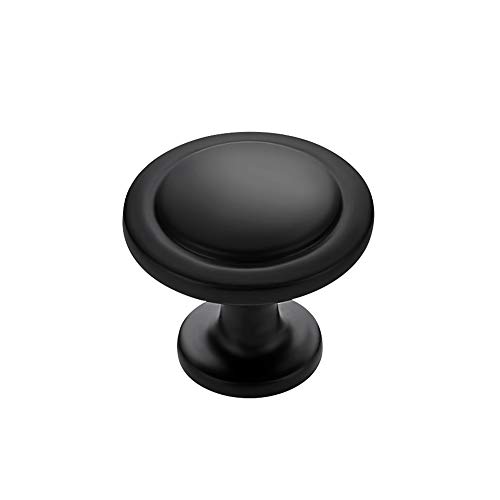
Round Knobs
The classic choice for most dressers. Round knobs are comfortable to grip, easy to install, and available in nearly every material and finish. Ideal for traditional and transitional styles.
Square Knobs
A modern alternative with clean lines. Square knobs suit contemporary and minimalist bedrooms and pair well with flat-front drawer designs.
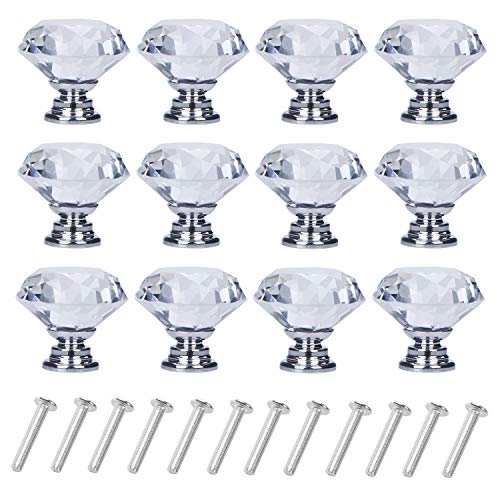
Crystal & Glass Knobs
These decorative knobs add sparkle and elegance. Often used in vintage and glam-style bedrooms, they bring a refined look to dressers and vanities.
Wooden Knobs
A natural fit for farmhouse and rustic dressers. Wooden knobs can be painted or stained to match your furniture, offering a cohesive, organic feel.
Metal Knobs
From brushed nickel to antique brass, metal knobs offer durability and a premium appearance. They are ideal for high-use dressers and modern interiors.
Ceramic Knobs
Hand-painted ceramic knobs bring color and character to a bedroom. They are a popular choice for children's rooms and eclectic décor styles.
Materials & Finishes Compared
| Material | Durability | Best For | Notes |
|---|---|---|---|
| Solid Brass | Heavy-duty | Premium and luxury dressers | Develops a rich patina over time; long-term investment |
| Zinc Alloy | Durable | Mid-range to premium dressers | Often plated with nickel, chrome, or brass finishes |
| Stainless Steel | Heavy-duty | Modern and industrial styles | Rust-resistant and easy to clean |
| Ceramic | Moderate | Decorative and colorful designs | Chip-resistant but can crack under heavy impact |
| Glass / Crystal | Moderate | Vintage, glam, and feminine styles | Elegant but requires careful handling |
| Wood | Moderate | Farmhouse, rustic, and traditional dressers | Can be refinished or painted to match décor |
| Plastic / Resin | Entry-level | Light-use dressers and starter furniture | Available in many colors; suitable for casual settings |
How to Choose the Right Knobs for Your Dresser
Selecting knobs involves more than picking a design you like. Consider these factors to ensure a functional and visually cohesive result:
- Style compatibility: Match knob style to your dresser's design. Round metal knobs suit traditional pieces, while square or minimalist knobs work well for modern dressers. If your bedroom leans toward specific color ideas, choose finishes that complement the palette.
- Drawer configuration: Consider the size of your drawers. Larger drawers may benefit from slightly larger knobs for easier grip, while smaller drawers look best with proportionally sized knobs.
- Usage frequency: High-use drawers benefit from durable materials like solid brass or heavy-duty zinc alloy. For occasional-use dressers, ceramic or wood knobs are sufficient.
- Existing holes: If you are replacing existing knobs, check the screw length and hole diameter. Most knobs use standard screws, but it is wise to verify before purchasing. If you are switching from pulls to knobs, you may need to address old holes—see our drawer pulls guide for related hardware considerations.
- Comfort: Knobs should feel comfortable in your hand. Avoid overly sharp edges or tiny knobs that are hard to grip.
Step-by-Step Installation Guide
Installing new dresser knobs is a straightforward DIY project that most people can complete in under an hour. Follow these steps for a secure and professional result:
- Gather your tools: You will need a screwdriver (usually Phillips or flathead, depending on your screws), the new knobs, and the screws included with them. A measuring tape is helpful if you are drilling new holes.
- Remove the old knobs: Unscrew the existing knobs from the inside of the drawer. Keep the old screws in case the new ones are not the right length.
- Check the screw length: The screw should pass through the drawer front and into the knob without protruding into the drawer interior. If the screw is too long, it can scratch clothing or prevent the drawer from closing properly.
- Install the new knobs: Insert the screw from the inside of the drawer through the existing hole, then twist the knob onto the screw from the outside. Tighten until snug—avoid over-tightening, which can crack ceramic or glass knobs.
- Test the fit: Open and close the drawer several times to ensure the knob is secure and comfortable to use. If a knob wobbles, add a small washer or tighten slightly more.
- Repeat for all drawers: Work through each drawer, ensuring consistent alignment and tightness across the entire dresser.
Maintenance Tips for Long-Lasting Knobs
Proper care extends the life and appearance of your dresser knobs. Here is how to maintain different materials:
- Metal knobs: Dust weekly with a soft cloth. For brass and bronze, use a mild soap solution and dry immediately to prevent water spots. Avoid abrasive cleaners that can scratch the finish.
- Ceramic and glass: Wipe with a damp cloth and mild detergent. Avoid harsh chemicals and sudden temperature changes, which can cause cracking.
- Wood knobs: Dust regularly and wipe with a slightly damp cloth. Every few months, apply a small amount of furniture oil to maintain the finish and prevent drying.
- Plastic and resin: Clean with soapy water. Avoid prolonged exposure to direct sunlight, which can cause fading or warping over time.
If you notice loose knobs, tighten the screws periodically. For dressers in high-traffic areas, check the hardware every few months to ensure everything remains secure.
Related Guides & Resources
Explore more dresser-related content to complete your bedroom upgrade:
Ready to Refresh Your Dresser?
Browse our recommended dresser knobs and hardware to find the perfect match for your bedroom style. A simple swap can make a world of difference.
VIEW RECOMMENDED KNOBS