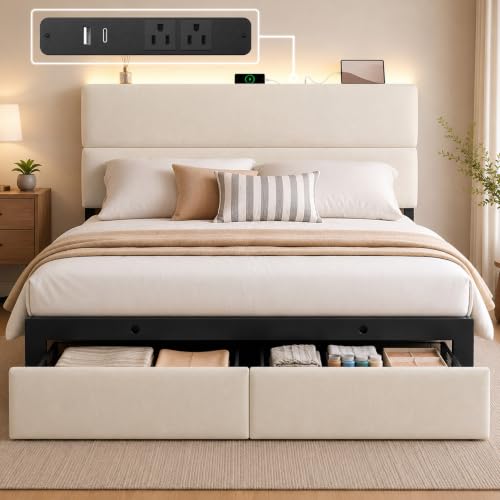
Storage Beds: The Complete Guide to Smart Bedroom Storage
Turn the space beneath your mattress into a functional wardrobe. Learn how storage beds work, which styles suit your room, and how to choose a frame built to last.
Explore Storage Bed TypesWhy storage beds matter: In compact bedrooms, floor space is the scarcest resource. A well-designed storage bed reclaims the footprint beneath the mattress—often the single largest unused volume in the room—and converts it into drawers, lift-up compartments, or open cubbies. For many households, this means a smaller dresser, a tidier closet, and a bedroom that finally breathes.
What Is a Storage Bed?
A storage bed is a bed frame engineered with integrated storage beneath or around the sleeping platform. Unlike a standard platform bed, which leaves the under-mattress area open (or usable only with separate bins), a storage bed builds the organization directly into the frame. The three dominant configurations are drawer storage beds, lift-up storage beds, and open-cubby or captain-style beds.
Because the storage is structural rather than added on, these beds tend to be more rigid than a plain frame paired with loose under-bed boxes. That rigidity is a real benefit: a reinforced frame with properly spaced slats distributes weight more evenly and reduces the squeaks and sag that plague light-duty platforms. If you are furnishing a guest room, a child's bedroom, or a compact apartment, a storage bed often replaces both a bed and part of a dresser's function—see our guide to bedroom storage for the wider room-planning picture.
Storage beds also pair naturally with other space-saving furniture. If you still need clothing capacity after adding under-bed drawers, a small-space dresser or a tall narrow dresser with drawers can slot into the remaining wall space without crowding the room.
Types of Storage Beds
Drawer Storage Beds
Built-in pull-out drawers along one or both sides, or across the foot of the bed. Best for folded clothing, linens and everyday items that need frequent access. Typically offers two to four drawers per side.
Lift-Up Storage Beds
The entire mattress platform rises on gas struts, exposing one large compartment. Ideal for bulky items—spare bedding, luggage, off-season clothing. Requires clearance above the bed to open fully.
Captain Beds
A traditional style with drawers or cubbies built into a raised base, often with a bookcase headboard. Common in children's rooms and guest bedrooms where a compact footprint matters.
Platform Storage Beds
Low-profile frames with shallow drawers underneath. Suited to modern and minimalist bedrooms where a clean silhouette is a priority. Drawer depth is usually limited.
Open-Cubby Beds
Recessed compartments without drawer fronts. Useful for baskets, books and display storage. Less protection from dust than closed drawers, but easier to reconfigure.
Storage Bed + Desk Combinations
Loft and mid-height frames that integrate a desk, shelving and drawers. A strong option for student rooms and studios where one piece must serve several functions.
Storage Bed Types Compared
| Type | Best For | Access | Typical Tier |
|---|---|---|---|
| Drawer storage bed | Folded clothing, linens, daily essentials | Side or foot pull-out | essential to mid-range |
| Lift-up storage bed | Bulky bedding, luggage, seasonal items | Full platform lift on struts | mid-range to premium |
| Captain bed | Children's rooms, guest bedrooms | Drawers or cubbies in base | entry-level to mid-range |
| Platform storage bed | Minimalist and modern bedrooms | Shallow under-frame drawers | mid-range |
| Open-cubby bed | Baskets, books, flexible storage | Open recessed compartments | essential tier |
| Loft / desk combination | Studios, student rooms, small apartments | Mixed drawers and shelving | mid-range to high-end tier |
Tier labels describe relative market positioning, not absolute quality guarantees. A well-built entry-level frame can outlast a poorly assembled premium one—construction details matter more than the label. Models in the mid-range tier usually offer smoother drawer glides and thicker slats than starter-tier frames, while high-end tier pieces often use solid hardwood and reinforced joinery.
Pros and Cons of Storage Beds
Advantages
- Recovers otherwise wasted under-mattress volume
- Reduces or eliminates the need for a separate dresser
- Keeps the room visually uncluttered—storage is hidden
- Structural storage often makes the frame more rigid
- Ideal for apartments, guest rooms and children's bedrooms
- Pairs well with matching nightstand and dresser sets
Considerations
- Drawers need clearance to open—measure side and foot space
- Lift-up models need vertical clearance above the mattress
- Heavy frames are harder to move and reassemble
- Shallow drawers limit what can be stored
- Humidity can build up under a closed platform—ventilation matters
- Drawer glides are a common failure point on lower-tier frames
How to Choose the Right Storage Bed
1. Measure the Room, Not Just the Bed
Start with the mattress size you need, then add the frame's outer dimensions—storage beds are typically two to four inches wider and longer than a bare mattress because of the drawer housing. Then measure the clearance around the frame. A drawer bed needs enough open floor on the drawer side for the drawer to extend fully. If your room is tight on one side, choose a single-sided drawer configuration rather than forcing a two-sided frame against a wall.
2. Decide What You Will Actually Store
This single decision should drive your choice more than any aesthetic preference. Folded clothing and linens belong in drawers at a reachable height. Bulky duvets, pillows and suitcases suit a lift-up compartment. Books and baskets work in open cubbies. If your storage needs are mixed, a hybrid frame with drawers on one side and a lift-up section on the other covers both. For clothing-heavy households, plan how the bed's storage will divide labor with a storage chest with drawers or a wardrobe dresser.
3. Check the Frame Construction
Look at the slats, the joinery and the hardware. Solid wood or high-grade engineered panels with reinforced corner blocks hold up far better than thin particleboard stapled together. Slats should be closely spaced and thick enough not to flex under the mattress. On drawer models, metal ball-bearing glides outlast plastic runners considerably. On lift-up models, gas struts should be rated for the mattress weight and should lift smoothly without a hard final push.
Material choice deserves its own comparison—our breakdown of solid wood versus engineered wood explains where the structural differences actually matter and where they are mostly cosmetic.
4. Match the Style to the Room
Storage beds span the full style range. Upholstered frames soften modern and transitional bedrooms; slatted wood frames suit Scandinavian and mid-century rooms; painted finishes work well in farmhouse and coastal schemes. If your bedroom already leans toward a specific look, browse our room ideas section for combinations that hold together visually.
5. Plan for Safety and Ventilation
Closed storage under a mattress traps moisture if the frame has no ventilation. Choose models with slatted bases or vented drawer backs, and avoid storing damp items. For children's rooms, check that drawers have stops to prevent them pulling fully out, and confirm the frame's weight rating against the intended sleeper. If you are furnishing a nursery, our nursery dressers guide covers the parallel safety considerations for changing and clothing storage.
Storage Bed Buying Checklist
- Measure twice: Record mattress size, frame outer dimensions, drawer extension depth, and door-swing clearance before ordering.
- Confirm the storage type: Drawers for daily clothing, lift-up for bulky items, cubbies for flexible baskets.
- Inspect slat spacing: Closely spaced, thick slats support the mattress and reduce sag over time.
- Check drawer hardware: Metal ball-bearing glides and drawer stops are worth prioritizing over cosmetic details.
- Verify strut rating on lift-up models: Ask whether the struts are matched to the mattress weight class.
- Ask about assembly: Heavy frames may need two people; confirm the number of boxes and tools required.
- Confirm mattress compatibility: Most slatted storage beds do not need a box spring—check before buying one.
- Plan ventilation: Prefer vented bases or slatted platforms if you live in a humid climate.
- Check the weight rating: Match the manufacturer's stated capacity to the intended sleeper and any shared use.
- Coordinate with existing furniture: A matching nightstand and dresser set keeps the room visually coherent.
Storage Beds for Specific Rooms
Small Bedrooms and Apartments
In a compact bedroom, a storage bed is often the highest-leverage furniture decision you can make. Combining a drawer bed with a slim dresser and a wall-mounted shelf usually yields enough capacity for a single occupant without a wardrobe. Our small bedroom storage ideas and apartment bedroom storage guides walk through the layout logic in more detail.
Children's and Teen Bedrooms
Captain beds and loft frames with integrated drawers are long-standing favorites in children's rooms because they combine sleeping, storage and often a study surface. Look for rounded corners, drawer stops and a weight rating appropriate to a growing child. If you are assembling a matching room, browse twin bed and dresser sets and twin bedroom sets with dresser for coordinated options.
Guest Rooms and Multi-Use Spaces
Guest rooms benefit from storage that stays out of sight between visits. A lift-up bed with a large compartment keeps spare bedding and luggage hidden, while a small dresser and nightstand set gives guests somewhere to unpack. In a home office that doubles as a guest room, a mid-height storage bed keeps the room usable during the day.
Bedroom Sets and Coordination
If you prefer a coordinated room, many storage bed frames are sold alongside matching case pieces. Our guides to dresser and nightstand sets and twin size bed sets with dresser cover how to evaluate a set as a whole rather than piece by piece.
Frequently Asked Questions
What is a storage bed?
A storage bed is a bed frame that integrates built-in storage space, typically through drawers beneath the mattress platform, a lift-up gas-strut mechanism, or open under-bed compartments. It combines sleeping space with bedroom organization in a single footprint.
Are storage beds good for small bedrooms?
Yes. Storage beds are among the most efficient furniture pieces for small bedrooms because they use the vertical and under-mattress space that would otherwise stay empty. They can replace or reduce the need for a separate dresser or chest of drawers.
What is the difference between a drawer storage bed and a lift-up storage bed?
A drawer storage bed offers several pull-out drawers along the sides or foot of the frame, ideal for clothing and everyday items. A lift-up storage bed raises the entire mattress platform on gas struts, revealing one large compartment suited to bulky items like bedding, luggage and seasonal clothing.
How much weight can a storage bed hold?
Capacity varies by construction. Entry-level models typically support standard mattress and sleeper weights, while mid-range and premium frames with reinforced slats and solid wood or high-grade metal construction support higher loads. Always check the manufacturer's stated weight rating before purchase.
Do storage beds require a box spring?
Most modern storage beds use a slatted platform and do not require a box spring. In fact, a box spring can block access to drawers or interfere with a lift-up mechanism. Check the specific model's mattress compatibility before buying.
How do I stop a storage bed from squeaking?
Squeaks usually come from loose hardware or slats rubbing against the frame. Re-tighten all bolts after the first month of use, add felt pads where the slats meet the frame, and check that the bed sits level on its feet. A rigid frame with reinforced corner blocks is far less prone to squeaking in the first place.
Can a storage bed replace a dresser?
Often, yes—for a single occupant with a modest clothing collection. A two-sided drawer bed can hold a substantial amount of folded clothing. Households with larger wardrobes usually pair the bed with a compact dresser; see our small dressers section for options that fit alongside a storage bed.
Ready to Reclaim Your Bedroom's Wasted Space?
Browse our curated selection of storage beds with verified construction details, drawer configurations and lift-up mechanisms. Compare features side by side and find the frame that matches your room and your storage needs.
See Recommended Storage Beds