Drawer Dividers Guide
A complete guide to choosing and using drawer dividers for dressers, chests of drawers, and bedroom storage. Learn how the right dividers can turn cluttered drawers into a tidy, easy-to-navigate system.
Explore Divider TypesWhy drawer dividers matter: A dresser is only as useful as its organization. Even a well-built dresser with deep drawers can become a jumble of folded clothes, accessories, and small items without structure. Drawer dividers create dedicated compartments that keep everything in view and in reach.
This guide walks you through the main divider types, materials, sizing, and placement strategies so you can plan a drawer system that fits your dresser and your daily routine.
What Are Drawer Dividers?
Drawer dividers are inserts that section off the interior of a drawer into smaller compartments. They can run front-to-back, side-to-side, or form a grid. The goal is simple: stop items from sliding around and make each category of clothing or accessory easy to find.
Dividers are especially valuable in wide dresser drawers where folded shirts, socks, and undergarments tend to merge into one pile. They also help in deep drawers where items at the back are hard to reach. For a broader look at organizing the whole dresser, see our dresser organization ideas and the related drawers overview.
If you are still selecting the dresser itself, the dresser buying guide explains how drawer depth, glide quality, and interior dimensions affect organization options.
Main Types of Drawer Dividers
Dividers fall into a few practical categories. The best choice depends on your drawer dimensions, the items you store, and whether you want a permanent or adjustable setup.
Adjustable Spring-Loaded Dividers
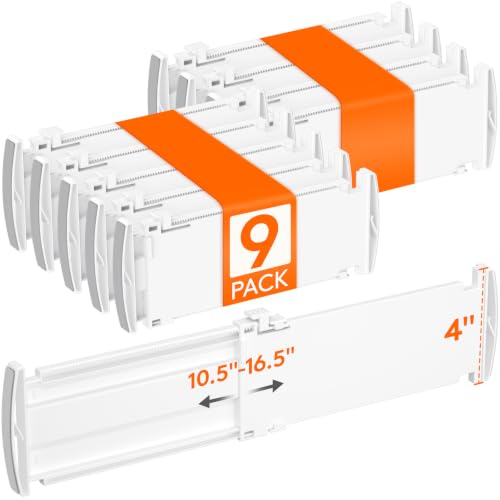
These dividers tension against the drawer walls and can be repositioned without tools. They suit drawers of slightly different widths and are easy to reconfigure as storage needs change.
Best for: renters, changing wardrobes, multi-purpose drawers.
Essential tierExpandable Bamboo Dividers
Bamboo dividers often use a spring or screw mechanism to expand across the drawer. They offer durable construction and a warm, natural look that suits wood dressers.
Best for: clothing drawers, sock and underwear organization.
Mid-tierModular Plastic Grids
Interlocking plastic pieces form custom compartments. They are lightweight, moisture-resistant, and simple to clean, making them a practical choice for bathroom and utility drawers.
Best for: accessories, small items, shared drawers.
Entry-levelFixed Compartment Inserts
Pre-formed trays with permanent sections drop into a drawer. They are quick to install and keep categories consistent, but they must match the drawer's interior dimensions closely.
Best for: jewelry, ties, and small accessories.
Mid-tierCustom Wood Dividers
Built-to-fit wood dividers are screwed or glued into place for a furniture-grade result. They provide the most stable structure and a seamless look in premium dressers.
Best for: premium dressers, permanent organization systems.
High-end tierMetal Utility Dividers
Metal dividers bring heavy-duty strength and are often used in deep drawers for tools, linens, or heavier items. Look for rust-proof finishes in humid rooms.
Best for: utility drawers, deep storage, heavy items.
Professional-grade| Divider Type | Adjustability | Installation | Best For |
|---|---|---|---|
| Spring-loaded | High | No tools | Renters, changing needs |
| Expandable bamboo | Medium to high | Minimal | Clothing and socks |
| Modular plastic grid | High | Snap together | Accessories, small items |
| Fixed compartment insert | None | Drop-in | Jewelry, ties, watches |
| Custom wood | None after install | Tools required | Premium permanent setups |
| Metal utility | Low to medium | Varies | Heavy-duty storage |
Choosing the Right Material
Material affects durability, appearance, and how well the divider holds its position. Consider these trade-offs:
- Bamboo: durable construction with a natural finish. Resists warping better than basic softwood and suits most bedroom dressers.
- Solid wood: the most stable option for custom builds. Pairs well with high-end wood dressers and can be finished to match the furniture.
- High-grade plastic: lightweight and moisture-resistant. A practical choice for shared drawers and quick reconfiguration.
- Metal: heavy-duty and long-lasting. Choose a rust-proof finish for bathrooms or humid climates.
- Fabric-covered inserts: gentle on delicate items and reduce rattling. Best for jewelry and accessories rather than heavy clothing.
Tip: Match divider material to the dresser's finish. Bamboo or natural wood dividers disappear into wood-tone drawers, while white plastic or fabric inserts create a cleaner look in painted dressers.
How to Measure a Drawer for Dividers
Accurate measurements prevent dividers from sliding, bowing, or failing to fit. Follow these steps before choosing a product:
- Measure the interior width of the drawer at the front, middle, and back. Use the narrowest measurement for fixed inserts.
- Measure the interior depth from the front panel to the back panel.
- Measure the interior height from the drawer bottom to the top edge. This determines how tall the dividers can be.
- Check for drawer slides, screws, or hardware that reduce usable space near the sides or back.
- Write down the measurements for each drawer separately, since interior dimensions often vary slightly within one dresser.
For wide drawers, consider a mix of front-to-back and side-to-side dividers to form a grid. This works well for socks, undergarments, and folded tops. Narrow drawers may only need one or two dividers.
Placement Strategies by Drawer Type
Top Drawers
Top drawers are usually shallow and best for accessories, socks, and undergarments. Use a grid of small compartments or a fixed insert with shallow sections. For dedicated sock and underwear storage, see the dresser for socks and underwear guide.
Middle Drawers
Middle drawers often hold folded shirts, tops, and light knitwear. Front-to-back dividers create columns that keep stacks upright and prevent the pile from collapsing. Pair with folding techniques for the best result.
Deep or Bottom Drawers
Deep drawers can hold jeans, sweaters, or linens. Use taller dividers and consider a two-row layout to avoid items disappearing at the back. Heavy-duty or metal dividers are useful here if the contents are dense.
Narrow or Tall Dressers
Narrow chests of drawers benefit from a single vertical divider that separates categories. For compact bedrooms, see dressers for small spaces and dresser options for small spaces for layout ideas that pair well with dividers.
Installation Tips for a Stable Fit
- Clean and dry the drawer before installing tension-based dividers. Dust and grit reduce grip.
- Test the fit with the drawer open and closed. Dividers should not interfere with the drawer slides or the front panel.
- Use non-slip pads under drop-in inserts to prevent shifting when the drawer moves.
- Avoid over-tightening spring mechanisms, which can bow thin drawer sides over time.
- Leave a small gap near the back of the drawer for items you rarely use, or use that space for a back-row divider.
Tip: If your dresser has heavy-duty full extension drawer slides, you have full access to the drawer interior, which makes measurement and divider installation easier.
Pairing Dividers With Other Organizers
Dividers work best as part of a complete drawer system. Consider combining them with:
- Drawer organizers for a layered approach to small items.
- Dresser drawer jewelry organizers for watches, rings, and delicate pieces.
- A drawer front upgrade if the existing fronts are worn or hard to open.
- New drawer pulls or dresser knobs to improve daily access and match the room's style.
If the dresser itself needs attention, the dresser quality guide explains what to check in drawer construction, and the dresser hardware guide covers glides and pulls that support heavier, well-organized drawers.
Frequently Asked Questions
Do drawer dividers work in all dressers?
Most dressers can use some form of divider. Adjustable and drop-in options work in standard rectangular drawers. Custom wood dividers are the best fit for non-standard interiors or premium furniture. Always measure the drawer interior first.
How many dividers does a drawer need?
It depends on the drawer size and contents. A top drawer for socks may need a 3x3 grid, while a wide shirt drawer may only need three or four front-to-back dividers. Start with fewer and add as needed.
Are tension dividers strong enough for heavy items?
Tension dividers hold well for clothing and light accessories. For dense or heavy items, choose metal or custom-fixed dividers that attach to the drawer structure rather than relying on tension alone.
Can I use drawer dividers in a nursery dresser?
Yes. Dividers help keep baby clothes, socks, and small items sorted. Choose smooth, splinter-free materials and secure the dividers so they cannot shift. For nursery-specific layouts, see dresser for nursery natural wood.
How do I clean drawer dividers?
Wipe wood and bamboo dividers with a slightly damp cloth and dry immediately. Plastic and metal dividers can be wiped with mild soap and water. Avoid soaking any divider material.