Armoires Buying Guide
Freestanding wardrobes & storage armoires for every room – style, size, material & smart organization.
Jump to Buying TipsWhat is an armoire? An armoire is a tall, freestanding wardrobe with doors that open to reveal hanging space, shelves, and drawers. Originally used to store armor, today’s armoires are versatile storage heroes for bedrooms, living rooms, entryways, and even home offices.
Why Choose an Armoire?
Unlike built-in closets, an armoire gives you flexible, movable storage that can adapt to your space. It’s perfect for:
- Bedrooms – extra hanging space for dresses, suits, and coats.
- Living rooms – store media, board games, or barware behind closed doors.
- Entryways – a stylish drop zone for jackets, bags, and shoes.
- Home offices – hide office supplies, files, and electronics.
If you’re considering other storage furniture, you might also explore wardrobes or bedroom storage solutions, but the armoire stands out for its classic charm and dual-purpose functionality.
Types of Armoires
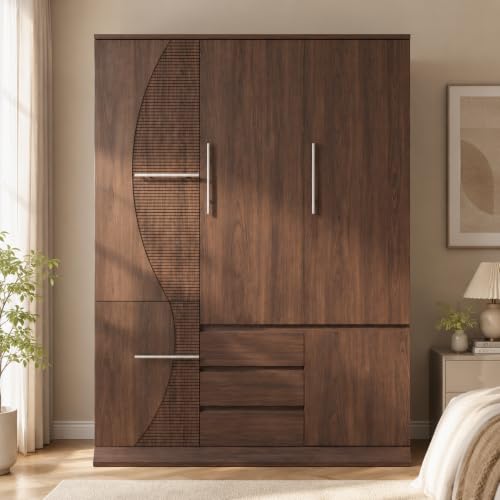
Classic Wood Armoire
Solid oak, walnut, or pine. Traditional look with rich grain. $600–$1,800
Modern / Contemporary
Clean lines, matte finishes, often with glass doors or metal accents. $700–$2,200
Entertainment Armoire
Designed for TVs and media components with cable management. $800+
Small / Compact
Ideal for apartments or dorms. Fits tight spaces without sacrificing style. $400–$900
Antique & Vintage
Restored pieces with character. Often carved details and brass hardware. $1,200–$2,500
Multi-purpose Armoire
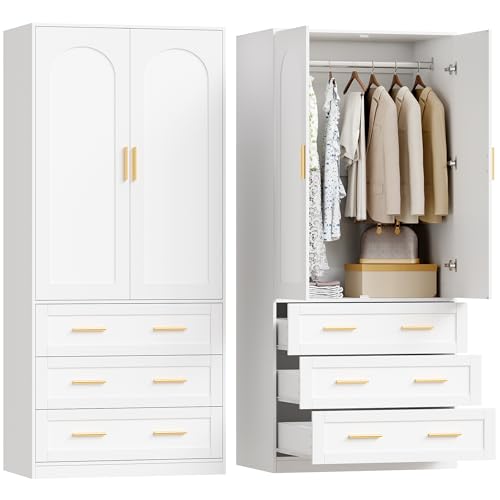
Combination of hanging rod, drawers, and adjustable shelves. $650–$1,900
For a more curated selection, see our dresser types guide or browse chest of drawers if you prefer drawer-based storage. But if you want a true statement piece, an armoire is hard to beat.
Materials & Finishes
The material affects both durability and style. Here are the most common:
- Solid Wood – Oak, walnut, cherry, and pine. Durable, timeless, and can be refinished. Check our oak dressers and walnut dressers for similar quality.
- Engineered Wood – MDF or plywood with veneer. Affordable and stable, but less resistant to moisture.
- Metal – Industrial or modern armoires with steel frames. Lightweight and sleek.
- Glass-front – Adds elegance; great for displaying items while keeping them dust-free.
Finish options include natural wood, painted (white, black, gray), or distressed. For inspiration, see our white dressers and black dressers – many armoires come in similar palettes.
Size & Placement Guide
Before buying, measure your space carefully. Consider:
- Height – Standard armoires are 60–80 inches tall. Taller models can reach 90 inches.
- Width – Ranges from 24 inches (narrow) to 60 inches (wide).
- Depth – Usually 18–24 inches. Ensure doors have room to swing open.
For small bedrooms, a small dresser or narrow dresser might be an alternative, but a compact armoire can offer more vertical storage without eating floor space.
If you need additional storage, consider pairing your armoire with a nightstand or a storage bed for a cohesive bedroom set.
Armoire vs. Wardrobe vs. Dresser
These terms are often used interchangeably, but they have distinct differences:
- Armoire – Tall, usually has doors that open to reveal hanging space, shelves, and sometimes drawers. Often more ornate.
- Wardrobe – Similar to an armoire but typically simpler in design, often with a single hanging section. See our wardrobes guide.
- Dresser – Low, wide, with drawers for folded clothes. Not designed for hanging garments. Compare dresser vs chest to decide.
If you need both hanging and folded storage, an armoire is the clear winner. For a deeper dive, read our dresser vs armoire and dresser vs wardrobe comparisons.
Armoire Buying Tips
Use these expert tips to choose the perfect armoire for your home:
- Assess your storage needs – Do you need more hanging space, shelves, or drawers? Some armoires are all three.
- Check door clearance – Swing doors require floor space; consider sliding doors if space is tight.
- Look for adjustable shelves – Flexibility allows you to store items of varying heights.
- Consider weight capacity – Solid wood is heavier but more durable; engineered wood is lighter but less sturdy.
- Match your decor – Choose a finish that complements your existing furniture. See materials & finishes for guidance.
For more detailed advice, explore our buying guides and dresser buying guide – many principles apply to armoires as well.
Room Ideas & Inspiration
An armoire can transform any room. Here are some creative ways to use one:
- Bedroom – Use it as a standalone closet or as a complement to a dresser and nightstand set.
- Living Room – Store extra blankets, games, or use it as a bar cabinet.
- Entryway – Keep coats, bags, and shoes organized. Add a mirror to the door for last-minute checks.
- Home Office – Hide printers, files, and office clutter behind closed doors.
If you’re decorating a nursery, a small armoire can store baby clothes and diapers while doubling as a changing station.
Organization & Maintenance
Keep your armoire tidy and lasting for years:
- Use drawer dividers for small items.
- Rotate seasonal clothing to maximize space – learn seasonal clothing storage.
- Dust regularly and polish wood surfaces with appropriate cleaners.
- Check hinges and handles periodically; tighten if loose.
For more organization strategies, visit our dresser organization guide and closet organization ideas.
Ready to find your armoire? Whether you need a classic wooden armoire for your bedroom or a sleek modern unit for your living room, the right piece will add both function and beauty to your space. Use the buying tips above, and don’t hesitate to explore the recommended products below to compare styles and prices.