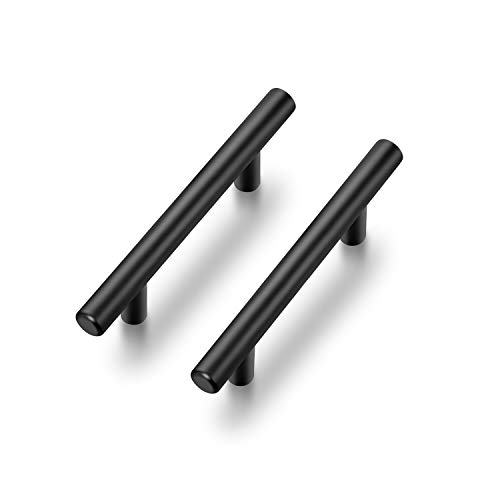
Pull Handles for Dresser Drawers
Everything you need to know about choosing, sizing, and installing drawer pulls that combine lasting durability with a cohesive bedroom look.
Why Drawer Pulls Matter More Than You Think
Pull handles for dresser drawers are one of the most overlooked details in bedroom furniture, yet they define how a dresser feels every single day. A well-chosen pull handle opens smoothly, sits comfortably in your hand, and ties together the design language of the entire room. A poorly chosen one wobbles, snags clothing, or visually clashes with the dresser's finish.
Whether you are replacing worn-out hardware on an older dresser or choosing pulls for a new build, this guide walks you through the key decisions: style, material, finish, sizing, and installation. The goal is simple — help you select handles that are comfortable, durable, and visually consistent with the rest of your bedroom furniture.
Quick orientation: If you already know you need a replacement and just want to narrow down options, jump straight to the style comparison or the FAQ section. If you are planning a full dresser refresh, read the sizing and installation sections first — they prevent the most common mistakes.
Pull Handle vs. Knob: Understanding the Difference
A pull handle is a hardware piece with two mounting points that you grip to open a drawer. A knob is a single-point fixture you rotate or pull. Both are valid choices, but they serve slightly different purposes on a dresser:
- Pull handles distribute force across two screws, which makes them more stable on wide, heavy, or deep drawers. They also offer a longer grip surface, so opening a packed drawer requires less effort.
- Knobs work well on small drawers, jewelry drawers, and narrow bedside units where a long handle would look disproportionate.
A practical rule of thumb: use pulls on drawers wider than roughly 18 inches, and use knobs on smaller drawers or as a decorative accent on top drawers. Many dressers combine both — long pulls on the main drawers and small knobs on the top row — which creates visual rhythm and improves usability.
Drawer Pull Styles: Finding the Right Match
The style of your pull should relate to the dresser itself, not compete with it. Here is how the most common styles map to furniture categories:
| Style | Best For | Character |
|---|---|---|
| Bar pull | Modern and mid-century dressers | Clean, linear, easy to grip |
| Bail pull (drop handle) | Traditional, rustic, and vintage dressers | Classic, decorative, hinged swing |
| Cup pull | Farmhouse, Shaker, and cottage styles | Recessed grip, low profile |
| Bin pull | Industrial, vintage, and apothecary styles | Wide lip, sturdy feel |
| T-bar pull | Minimalist and Scandinavian dressers | Simple, compact, understated |
| Ring pull | Antique, French provincial, and eclectic pieces | Ornamental, swinging ring |
If your dresser is a mid-century six-drawer dresser, bar pulls or tapered T-bars are usually the safest match. For a Shaker-style dresser, cup pulls or simple round knobs preserve the clean lines. A distressed dresser or French country chest of drawers typically suits bail pulls or ring pulls with an aged finish.
Materials: What Determines Durability
The material of a pull handle affects weight, feel, corrosion resistance, and how well the finish holds up over years of daily use. Here is how the main options compare:
| Material | Tier | Strengths | Considerations |
|---|---|---|---|
| Zinc alloy | Entry-level | Wide style variety, consistent casting | Lighter feel; finish can wear on high-use drawers |
| Solid brass | Mid-range to premium | Heavy, corrosion-resistant, develops patina | Requires occasional care to maintain finish |
| Stainless steel | Mid-range | Very durable, modern look, resists rust | Fingerprints show on polished surfaces |
| Bronze | Premium | Rich color depth, long lifespan | Heavier; finish options vary by maker |
| Wood | Specialty | Warm, natural look; matches wooden dressers | Can crack if exposed to moisture; less durable |
| Ceramic / glass | Decorative | Distinctive color and pattern | Breakable; best on low-traffic drawers |
For drawers that are opened many times a day, a solid build in brass, stainless steel, or bronze tends to be the most reliable long-term investment. Zinc alloy pulls are a solid choice for the tier when budget is a factor, and they are widely available in every style. On a high-quality solid wood dresser, heavier metal pulls often feel more balanced than lightweight cast pieces.
Finishes and Color Coordination
Finish is where the pull either disappears into the dresser or becomes a design statement. Consider the tone of your dresser and the other metals in the room — door handles, curtain rods, light fixtures — before deciding.
- Brushed nickel and satin brass: versatile mid-range finishes that suit most wood tones and resist visible fingerprints.
- Matte black: strong contrast on white, oak, and natural wood dressers; pairs well with industrial or modern interiors.
- Polished chrome: crisp and reflective; works best on modern or minimalist dressers.
- Antique brass and oil-rubbed bronze: warmer, aged looks that suit traditional and rustic pieces.
- Gold and champagne: a premium accent that works well on white chests with gold handles and lighter finishes.
If the dresser is white with white handles, consider whether you want a seamless monochrome look or a contrast accent. A white dresser with small drawers on top often benefits from a single finish across all drawers to avoid visual clutter.
Sizing and Spacing: Getting the Proportions Right
Pull sizing is the most common source of regret. A handle that is too small looks lost on a wide drawer, while one that is too long can extend past the drawer face or bump into the frame.
- Measure center-to-center (CTC): the distance between the two screw holes. This is the specification you must match when replacing pulls, not the overall length.
- Check the drawer face: leave at least 1 inch of clearance from the edge of the drawer to the pull's mounting hole.
- Scale to drawer width: a pull is usually visually balanced when its overall length is roughly one-third of the drawer width. Wide drawers often suit longer bar pulls; narrow drawers suit compact pulls or knobs.
- Consistency: use the same center-to-center measurement across a row of drawers so the hardware lines up visually.
For narrow units, such as a tall skinny dresser or a narrow set of drawers for the bedroom, choose compact pulls with a short projection so they do not catch on doorways or adjacent furniture. On deep drawers, a longer bar pull provides better leverage and reduces strain on the drawer box.
Installation: Practical Steps and Common Pitfalls
Most pull replacements are straightforward, but a few details prevent damage and misalignment:
- Confirm the center-to-center measurement of your existing pulls before ordering replacements. If you are changing the hole spacing, you will need to fill the old holes and drill new ones.
- Use a template or mark carefully. A paper template or a strip of painter's tape along the drawer face helps keep holes level across multiple drawers.
- Choose the right screw length. Screws should extend into the drawer face enough to grip firmly but not protrude through the inside of the drawer. Include the pull thickness in your calculation.
- Do not over-tighten. Over-tightening can crack wood or strip the insert on cast pulls. Snug, then check for wobble.
- Consider backplates if you are replacing knobs with pulls and the old holes are visible. Backplates can also protect soft wood surfaces from repeated contact.
If your dresser has a mix of drawer sizes, it can help to lay out all pulls on a table first and visually confirm the proportions before drilling. On a dresser with large deep drawers, test that the pull does not interfere with the drawer below when fully open.
Replacing Pulls on Existing Dressers
Replacing hardware is one of the fastest ways to refresh a dresser without replacing the furniture. It is particularly effective on a distressed white dresser, an unfinished dresser you plan to paint, or a walnut wood dresser that needs a modern update. A few practical points:
- If the new pulls have the same center-to-center spacing, installation takes minutes per drawer.
- If the spacing differs, fill the old holes with wood filler, sand smooth, and drill fresh holes. Paint or stain the filled area to match.
- Keep the old pulls in a labeled bag. They are useful if you resell the dresser or want to revert the change later.
- Check that the new pull's projection does not interfere with nearby furniture, especially on a narrow white dresser placed close to a wall or bed.
For pieces used in children's rooms, such as a nursery dresser, prioritize smooth edges and secure mounting. Avoid long, protruding pulls on drawers within a child's reach if the dresser is not anchored to the wall.
Coordinating Pulls Across the Bedroom
Pulls are a small detail that can unify a room. If you have a matching white beside table and dresser, carrying the same finish and style across both pieces creates a cohesive look. The same principle applies to a double dresser and nightstand set or a silver dresser set.
If the dresser and nightstand are different colors or materials, choose a shared finish (for example, matte black on both) rather than an identical pull shape. This keeps the link between pieces without forcing an exact match.
Ready to Upgrade Your Dresser Hardware?
Browse our curated selection of pull handles for dresser drawers, filtered for durability, style consistency, and installation convenience.
View Recommended PullsFrequently Asked Questions
How do I measure for replacement pull handles?
Measure the distance between the centers of the two screw holes on your existing pull — this is the center-to-center (CTC) measurement. Match this number when ordering new pulls. If you change the spacing, you will need to fill and re-drill the holes.
Are pull handles better than knobs for dresser drawers?
Pulls are generally better for wide, deep, or heavy drawers because they distribute force across two mounting points and offer a longer grip. Knobs work well on small drawers and can be combined with pulls for visual variety.
What material is most durable for drawer pulls?
Solid brass, stainless steel, and bronze are the most durable options for daily use. Zinc alloy is a solid entry-level choice with wide style availability. Wood and ceramic are better suited to decorative or low-traffic drawers.
Can I install new pulls without damaging the dresser?
Yes, if the new pulls match the existing hole spacing. Use a template to keep holes level, choose screws of the correct length, and avoid over-tightening. If the spacing differs, fill the old holes with wood filler before drilling new ones.
How many pulls do I need for a dresser?
Count one pull per drawer, unless a drawer is very wide and has existing holes for two pulls. Check the drawer face for pre-drilled holes before ordering, and order one or two spare pulls for future replacement.
Do drawer pulls come with screws?
Most pulls include mounting screws, but the length may not suit every drawer thickness. Check the screw length against your drawer face and the pull thickness, and source longer or shorter screws if needed.