Dresser vs Chest: Which One Is Right for Your Bedroom?
Compare dressers and chests of drawers to find the perfect storage solution. Understand the key differences in dimensions, style, and functionality.
SEE THE COMPARISONQuick Answer: The main difference between a dresser and a chest of drawers is their shape. A dresser is typically wide and low, designed to hold a mirror and offer a surface for display. A chest of drawers is taller and narrower, prioritizing vertical storage in a smaller footprint.
Dresser vs Chest of Drawers: Understanding the Basics
When furnishing a bedroom, choosing between a dresser and a chest of drawers is a common dilemma. Both are classic storage solutions, but they serve slightly different purposes and fit into rooms in unique ways. This guide will break down the key distinctions, helping you make an informed decision based on your space, storage needs, and buying preferences.
Dresser vs Chest: A Detailed Comparison
To make the best choice, it helps to look at the core differences between these two furniture staples. Here's a breakdown of their key characteristics.
1. Dimensions & Footprint
The most significant difference is their shape and how much floor space they occupy.
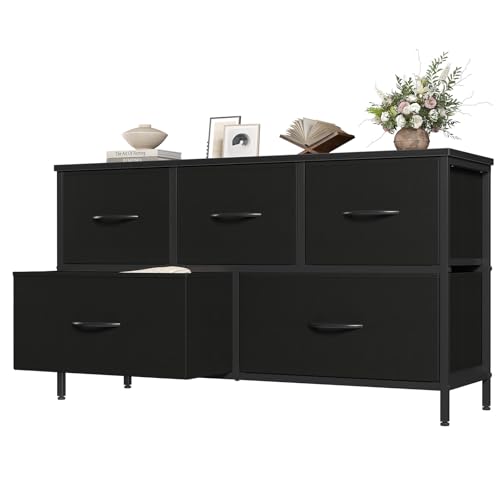
Dresser: A dresser is long and low, typically 48 to 60 inches wide and 30 to 36 inches tall. Its wide, horizontal profile offers a generous top surface. While it takes up more wall space, it doesn't dominate the room's vertical space. This makes it a great choice for larger bedrooms or as a focal point under a window.
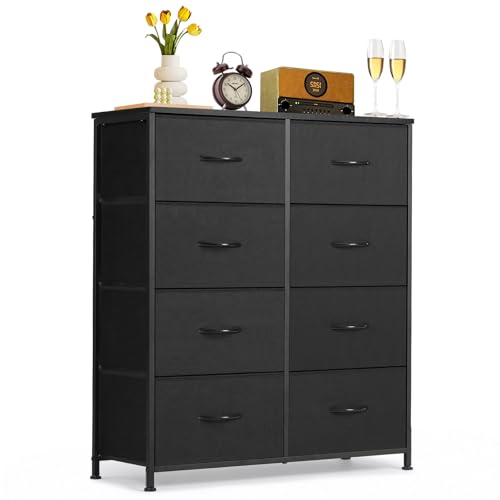
Chest of Drawers: A chest of drawers is tall and narrow, typically 36 to 48 inches wide and 48 to 60 inches tall. Its vertical orientation is perfect for rooms with limited floor space, as it provides substantial storage without consuming too much floor area. It's ideal for tight spaces or walk-in closets. For more options in smaller areas, you might explore small dressers and tall dressers.
2. Storage Capacity & Drawer Configuration
The way the drawers are configured is another key differentiator.
Dresser: Features a series of shallow to medium-depth drawers, often two rows of drawers (e.g., 3 across and 2 high). This configuration is excellent for organizing folded items like t-shirts, sweaters, and jeans, keeping categories visible and accessible at a glance. For tips on maximizing this space, check out our drawer organization ideas.
Chest of Drawers: Typically has 4 to 6 deep drawers stacked vertically. The deeper drawers are perfect for bulkier items like heavy sweaters, jackets, or extra bedding. The vertical stack makes it a compact powerhouse for clothing storage.
3. Top Surface & Styling Functionality
Dresser: The large, flat top surface is a defining feature. It's traditionally designed to hold a mirror, making it a functional vanity for getting ready. It also serves as a display area for lamps, photos, plants, or decorative items, adding to the room's aesthetic. This dual functionality is a major reason many people choose a dresser. For inspiration, see our room ideas.
Chest of Drawers: The small top surface is not intended for extensive display or a mirror. It's often used for a small lamp or a tray for everyday items like keys and wallets. The focus is purely on storage, making it a more utilitarian piece.
4. Style & Aesthetic
Both dressers and chests of drawers come in a vast array of styles to match any decor.
Dresser: The wide, horizontal form often lends itself to a more elegant, grounded look. You'll find them in modern dressers, mid-century dressers, and farmhouse dressers styles. A dresser with a mirror can create a classic, traditional focal point. For a cohesive look, consider dresser and nightstand sets.
Chest of Drawers: The vertical design can add height and drama to a room. It's available in styles ranging from sleek modern chests to ornate antique chests or rustic shaker chests. They are versatile and can fit into any corner.
5. Material & Quality Considerations
The material and build quality are critical for longevity in both types.
Dresser: Often the centerpiece of a room, dressers are frequently made from higher-end materials. Common options include oak dressers, walnut dressers, and pine dressers. The large top surface is particularly susceptible to scratches, so the quality of the finish is important.
Chest of Drawers: Chests are also built with quality, though their more utilitarian nature sometimes means simpler construction. They are available in solid wood chests and engineered wood options. For a modern flair, you might even find metal dressers or chests.
Dresser vs Chest: Quick Reference Chart
How to Choose: Dresser or Chest of Drawers?
The best choice depends entirely on your unique needs and space. Here are a few scenarios to guide you:
- Choose a Dresser if: You have a large bedroom and need a focal piece. You want a surface for a mirror, a lamp, and decor. You primarily fold your clothes and prefer to see everything at a glance. You appreciate the classic, elegant look of a wide dresser.
- Choose a Chest of Drawers if: You have limited floor space or a narrow wall. You need to store bulky items like sweaters and jackets. You prefer a more utilitarian, space-saving storage solution. You want to add height and vertical interest to a room.
Many people find that a combination of both works best. A dresser and nightstand set can create a cohesive look, while a chest of drawers adds extra, compact storage. For more personalized advice, you can explore our buying guides on various topics.
Making Your Final Decision
Choosing between a dresser and a chest of drawers is about balancing your storage needs with your spatial constraints and aesthetic preferences. By understanding the fundamental differences, you can confidently select the piece that will best organize your bedroom and enhance your daily routine.
Ready to start shopping? Use our guides to consider materials and finishes and learn how to choose the right dresser for your home. For a deeper dive, our complete dresser buying guide covers everything from size and style to budget.
Pro Tip: Always measure your space before you buy. Consider not just the width and height, but also the depth of the piece and the clearance needed to open drawers fully. Your future self will thank you!