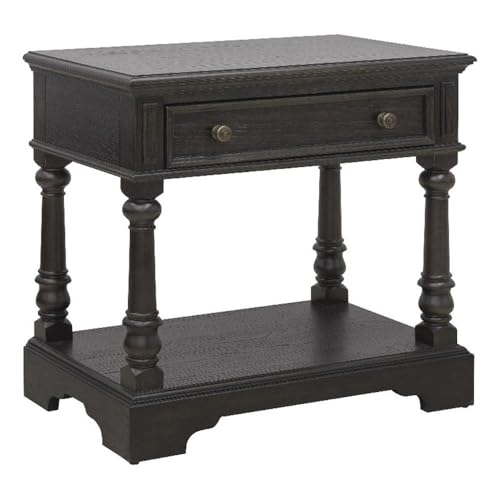
Bachelor Chests: The Compact Storage Solution for Modern Bedrooms
A bachelor chest packs generous drawer storage into a narrow, space-conscious footprint. This complete guide covers dimensions, drawer layouts, materials, and placement strategies so you can choose the right compact chest with confidence.
Explore Top PicksQuick definition: A bachelor chest is a tall, narrow chest of drawers traditionally designed for single-person living spaces. It typically offers three to five stacked drawers, a footprint under 36 inches wide, and a height that places the top drawer within comfortable reach. Its compact proportions make it ideal for small bedrooms, apartments, entryways, and closets.
What Is a Bachelor Chest and Why Choose One?
The term "bachelor chest" dates back to an era when compact, efficient furniture was designed for single-room living. Today, the concept has evolved into one of the most practical storage pieces for anyone working with limited floor space. Unlike a wide double dresser that spans several feet across a wall, a bachelor chest grows vertically, stacking drawers upward to maximize storage density per square foot.
This vertical approach delivers real advantages. A bachelor chest fits into corners that wide dressers cannot reach, slides into narrow alcoves beside a bed, and works as a compact alternative to a full-size chest of drawers. For renters, students, and apartment dwellers, it is often the most efficient way to gain drawer storage without sacrificing walking space.
Bachelor chests also suit a surprisingly broad range of rooms beyond the bedroom. Placed in an entryway, a narrow chest holds gloves, keys, and small accessories. In a bathroom, it stores linens and toiletries. In a home office, it corrals supplies. The compact proportions make it a genuinely versatile piece rather than a one-room solution.
Key Characteristics of a Bachelor Chest
Narrow Footprint
Most bachelor chests measure 24 to 36 inches wide, fitting into tight corners and narrow wall segments where standard dressers cannot go.
Vertical Drawer Stack
Three to five drawers stack vertically, delivering concentrated storage in a small floor area. Deeper bottom drawers handle bulkier clothing.
Standing-Height Access
At 30 to 42 inches tall, the top drawer sits at a comfortable standing height, eliminating the need to bend for everyday items.
Versatile Placement
Works as a nightstand alternative, entryway organizer, closet storage unit, or bathroom linen chest depending on the room's needs.
Bachelor Chest Dimensions: What Size Fits Your Space?
Dimensions matter more with a bachelor chest than with almost any other storage piece, because the entire point is fitting into constrained spaces. Measure your available floor area and wall height before shopping. Pay particular attention to drawer clearance: a chest pushed against a wall needs enough open floor in front of it for drawers to pull out fully.
| Dimension | Typical Range | Best For |
|---|---|---|
| Height | 30 – 42 inches | Standing access to top drawer; corner placement |
| Width | 24 – 36 inches | Narrow walls, beside bed, entryway alcoves |
| Depth | 16 – 20 inches | Bedroom walkways, closets, tight hallways |
| Drawer Count | 3 – 5 drawers | Everyday clothing, accessories, linens |
A chest on the smaller end of the range, around 24 inches wide and 30 inches tall, works beautifully as a bedside companion in a compact bedroom. Larger bachelor chests approaching 36 inches wide and 42 inches tall suit rooms where a full dresser would be overkill but significant storage is still needed. For rooms that need even more vertical storage, explore tall chests of drawers that push the same footprint higher.
Drawer Configurations: Which Layout Works Best?
The drawer layout inside a bachelor chest determines how usable it feels day to day. A three-drawer configuration usually features one shallow top drawer and two deeper drawers below, a classic arrangement that separates small accessories from folded clothing. Four and five-drawer layouts split storage more finely, which suits people who prefer dedicated compartments for socks, undergarments, shirts, and bulkier items.
- 3-drawer layout: Best for bedside use, entryway organization, or a single occupant with a focused wardrobe.
- 4-drawer layout: A balanced middle ground with room to separate categories without over-splitting storage.
- 5-drawer layout: Maximum compartmentalization for people who like highly organized, category-specific drawers.
Beyond count, examine drawer glide quality. Entry-level chests often use basic side-mounted glides, while mid-range and premium models upgrade to ball-bearing slides or metal undermount runners for smoother, quieter operation. Full-extension slides are a meaningful upgrade because they let you reach the back of each drawer without digging. If you need heavier storage for tools or dense items, look at heavy-duty locking drawer slides as an upgrade consideration.
Materials and Construction Quality
Construction quality separates a bachelor chest that lasts decades from one that wobbles within a year. Solid wood frames and drawer boxes resist warping and handle repeated opening and closing far better than thin engineered panels. A solid wood construction approach, even scaled down to bachelor chest proportions, signals long-term durability.
| Tier | Typical Construction | Best For |
|---|---|---|
| Entry-level | Engineered wood panels, basic side glides, laminate finish | Short-term use, dorms, rental apartments |
| Mid-range | Solid wood frame with veneer panels, ball-bearing glides | Long-term bedroom storage, everyday use |
| Premium | Solid hardwood throughout, dovetail joinery, undermount slides | Heirloom-quality bedroom furniture |
| Luxury | Hand-finished hardwoods, custom hardware, artisan joinery | Designer interiors, statement pieces |
Wood species influence both appearance and durability. Oak and maple deliver hard, resilient surfaces that resist everyday wear. Walnut offers a rich, dark grain that suits mid-century and modern interiors; a walnut dresser in compact bachelor chest proportions makes a striking bedroom accent. Pine is softer but takes paint and stain beautifully, which is why unfinished and painted options remain popular. For painted finishes, a white chest dresser brightens small rooms and reflects light, a genuine advantage in compact spaces.
Where to Place a Bachelor Chest
A bachelor chest's compact size makes placement flexible, but a few strategies consistently deliver the best results.
- Beside the bed: A narrow chest doubles as a nightstand alternative, holding a lamp, book, and charger on top while storing clothing below.
- In a corner: Corners that are too tight for a wide dresser often accommodate a bachelor chest perfectly, turning dead space into functional storage.
- Along a narrow wall: Wall segments between doors or windows can host a slim chest without blocking traffic flow. A tall skinny dresser maximizes this vertical opportunity.
- Inside a closet: Placing the chest inside a walk-in closet frees bedroom floor space entirely while keeping clothing organized near where it is worn.
- Entryway or hallway: A compact chest near the door becomes a practical catch-all for keys, gloves, and mail.
For very tight floor plans, consider combining a bachelor chest with under-bed storage to distribute clothing across two space-efficient zones. If the room needs seating or a dressing surface, a dresser shelf combo can add display space above a compact chest.
Bachelor Chest Styles for Every Interior
The compact proportions of a bachelor chest make it a natural fit for several design languages. Modern and minimalist interiors favor clean lines, slab fronts, and flush-mounted hardware. Traditional interiors lean toward framed drawer fronts, bracket feet, and decorative pulls. Farmhouse and cottage settings welcome painted finishes and natural wood grain.
If your bedroom leans mid-century, a walnut mid-century dresser in bachelor chest proportions pairs beautifully with tapered legs and warm wood tones. For rooms that need a lift, a light oak dresser brings brightness and a Scandinavian feel. Industrial and modern spaces can substitute a metal dresser for a sleeker, more utilitarian look. Shaker-style construction remains a perennial favorite because its clean framed panels suit nearly every decor; browse shaker dressers for classic inspiration.
Bachelor Chest Buying Checklist
Before committing to a purchase, run through this checklist to avoid a piece that looks right but functions poorly in your space.
- Measure twice: Confirm width, height, and depth against your available floor area, and verify drawer pull-out clearance.
- Count drawers against your wardrobe: Match drawer count to how you categorize clothing and accessories.
- Check drawer glide quality: Ball-bearing and undermount slides outperform basic side glides over years of use.
- Verify tip safety: Tall, narrow chests should include or accept an anti-tip restraint.
- Inspect joinery: Dovetail and box joints signal a chest built to last.
- Confirm finish durability: Painted and laminate finishes vary in scratch resistance; solid wood can be refinished later.
- Plan the top surface: The chest top is valuable real estate for a lamp, tray, or mirror; account for it in your room layout.
Readers who want a broader framework for evaluating dressers and chests should review our dresser buying guide and the curated dresser reviews for additional context. If you are furnishing an entire room at once, a coordinated bedroom dresser and side table set can simplify matching finishes and hardware.