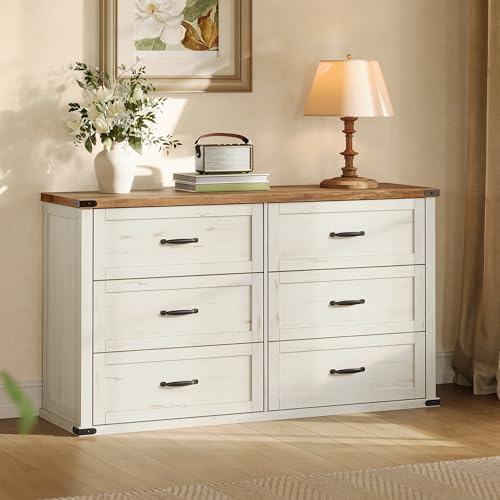
Distressed White Dresser: Complete Buyer's Guide & Style Tips
Everything you need to know about choosing a distressed white dresser — from finish types and construction quality to sizing, drawer layouts, and decor pairing — so you can buy with confidence.
Why this guide matters: A distressed white dresser is more than a storage piece — it's a design statement that brings warmth, character, and a lived-in charm to a bedroom. But not all distressed finishes are created equal. This guide walks you through the details that separate a well-made piece from a short-lived one, so you can make a decision that lasts for years.
What Is a Distressed White Dresser?
A distressed white dresser is a chest of drawers finished in white paint or whitewash with intentional wear — rubbed edges, exposed wood grain, and subtle texture — designed to mimic the look of a well-loved heirloom. The finish is the defining feature, but the underlying construction and drawer mechanism matter just as much for daily use. If you enjoy the broader category, explore our full collection of distressed dressers for complementary styles and finishes.
These pieces typically appear in farmhouse, shabby chic, French country, and coastal interiors. They also serve as a soft counterpoint in modern rooms, where a distressed white finish breaks up clean lines and adds a layer of texture. For a more rustic direction, our guide to distressed chests covers darker and more heavily weathered options.
Distressed White Finish Types Compared
The word "distressed" covers a wide range of techniques. Understanding the difference helps you match the piece to your room and your maintenance tolerance.
| Finish Type | Look & Character | Best For | Maintenance Level |
|---|---|---|---|
| Whitewashed | Sheer white over natural grain; soft, coastal, light | Coastal, Scandinavian, breezy bedrooms | Low — wipe with dry cloth |
| Painted & rubbed | Solid white with edge rub-through revealing wood | Farmhouse, cottage, shabby chic | Moderate — touch-ups occasionally |
| Heavily distressed | Deep wear, chipped paint, visible knots and texture | Rustic, vintage, eclectic interiors | Higher — character evolves with wear |
| Antiqued glaze | White base with dark glaze in crevices for depth | French country, traditional bedrooms | Low to moderate |
Construction Quality: What to Check Before You Buy
A beautiful finish can hide weak construction. Use these checkpoints to evaluate the piece you're considering.
Frame Material
Solid wood frames (pine, oak, maple) are the most durable tier. Engineered wood can be a solid choice for entry-level pieces but is more prone to chipping at distressed edges over time.
Drawer Joinery
Dovetail joints signal mid-range to premium construction. Stapled or glued butt joints are common in starter-tier pieces and may loosen with heavy use.
Drawer Glides
Metal ball-bearing glides offer smooth, quiet operation. Wood-on-wood runners are traditional but require waxing and feel stiffer. Test each drawer in person when possible.
Finish Durability
Look for a sealed topcoat over the distressed paint. Without it, white finishes pick up stains and yellow unevenly. A water-based topcoat is a good sign of a well-finished piece.
Back Panel
A solid or thick back panel adds structural rigidity. Thin, stapled fiberboard backs are common in essential-tier pieces and can warp in humid rooms.
Hardware
Solid metal pulls and knobs outlast plated plastic. If you plan to swap hardware, check that the hole spacing is standard — see our guide to pull handles for dresser drawers.
Sizing Guide: Finding the Right Fit
Measure twice before you commit. The right size depends on your wall space, walking clearance, and the way you plan to use the dresser.
| Size Category | Typical Dimensions (W × D × H) | Best For |
|---|---|---|
| Low-profile | Up to 50" wide, under 30" tall | Under windows, small bedrooms, TV placement |
| Standard wide | 50"–70" wide, 30"–36" tall | Primary bedroom focal wall, shared rooms |
| Tall / skinny | 24"–36" wide, 45"–60" tall | Closets, narrow rooms, apartments |
| Extra-wide | 70"–80" wide, 32"–38" tall | Large bedrooms, dressing areas |
For narrow bedrooms, a narrow white dresser preserves walking space without sacrificing drawer count. If you need vertical storage in a tight footprint, a tall white dresser with deep drawers is a practical alternative. And for rooms where depth is the constraint, our guide to shallow-depth dressers for small spaces covers the trade-offs.
Drawer Layout: Matching Storage to Your Routine
The number and configuration of drawers affects how usable the dresser is day to day. Think about what you store and how often you reach for it.
3–4 Drawers
Best for guest rooms, entryways, or a minimalist wardrobe. Fewer drawers mean larger capacities per drawer, which suits bulky items like sweaters.
5–6 Drawers
The most versatile layout. A mix of shallow top drawers for accessories and deep lower drawers for clothing covers most bedroom needs.
7–9 Drawers
Ideal for shared bedrooms or people with extensive wardrobes. More drawers mean more organization but require more floor space and a taller profile.
Specialty Drawers
Felt-lined jewelry drawers, cedar-lined blanket drawers, and hidden compartments add function. See our guide to dressers with hidden jewelry drawers for options.
Pros and Cons of a Distressed White Dresser
Advantages
- Adds warmth and character that solid finishes lack
- Hides minor scratches and wear over time
- Pairs easily with farmhouse, coastal, and shabby chic decor
- Works as a soft contrast in modern and minimalist rooms
- Versatile enough for bedrooms, nurseries, and entryways
Considerations
- Finish quality varies widely — inspect before buying
- Heavily distressed finishes may not suit formal interiors
- Painted surfaces can chip at high-wear edges
- White finishes may yellow unevenly in direct sunlight
- Some distressed effects are printed rather than painted
Styling a Distressed White Dresser
A distressed white dresser is a natural anchor for layered, textured decor. A few guidelines keep the look intentional rather than cluttered:
- Balance the texture. Pair the rougher finish with smooth ceramics, glass, and natural fibers like linen or jute.
- Keep the top surface restrained. One or two statement objects — a lamp, a tray, a framed print — read better than a crowded surface.
- Repeat the white. Echo the finish with white bedding, trim, or a mirror frame to tie the room together.
- Mix wood tones. A warm walnut or oak floor grounds the white finish and prevents the room from feeling washed out.
- Choose hardware deliberately. Matte black or aged brass pulls both work, but pick one and carry it through the room.
For more inspiration, browse our dresser bench ideas and dresser tables with drawers for multi-use layouts. If you're furnishing a nursery, our nursery dressers guide covers safety anchoring and changing-table configurations.
Final Buying Checklist
Measure the Space
Confirm wall width, depth clearance, and walking space. Tape the footprint on the floor to visualize the fit before ordering.
Verify the Finish
Ask whether the distress is painted or printed. Painted and rubbed finishes age better; printed veneers can peel.
Check the Drawers
Confirm glide type and joinery. Metal ball-bearing glides and dovetail joints are the mid-range benchmark.
Plan for Safety
Anchor tall dressers to the wall, especially in homes with children. Check the anti-tip kit is included.
Review the Return Policy
Finish appearance varies between units. Confirm the return window and whether return shipping is covered.
Compare Within Tier
Compare features within the same tier rather than across tiers. A mid-range piece with solid joinery often outperforms a top-tier decorative finish with weaker internals.
Frequently Asked Questions
What is a distressed white dresser?
A distressed white dresser is a storage piece finished in white paint or whitewash with intentional wear, rub-through, and texture that gives it an aged, lived-in look. It blends farmhouse, shabby chic, and French country aesthetics while offering functional bedroom storage.
How do I choose the right size distressed white dresser?
Measure your available wall space, walking clearance, and ceiling height. A wide dresser works well as a focal point, a tall skinny dresser suits closets and narrow rooms, and a low-profile dresser fits under windows. Always leave at least two feet of clearance in front of the drawers.
Is a distressed white dresser durable?
Durability depends on the substrate and construction. Solid wood frames with dovetailed drawers are the most durable. Distressed finishes on engineered wood can chip over time, while painted solid wood ages gracefully. Check drawer glides and joinery before choosing.
How do I care for a distressed white dresser?
Dust regularly with a soft cloth, avoid harsh chemical cleaners, and wipe spills promptly. Keep the piece out of direct sunlight to prevent uneven fading. For painted finishes, a mild soap solution and a dry cloth are usually sufficient.
What decor styles pair well with a distressed white dresser?
Distressed white dressers pair beautifully with farmhouse, shabby chic, French country, coastal, and cottage styles. They also work as a soft contrast in modern and Scandinavian rooms when paired with clean lines and natural textures.
Ready to Choose Your Distressed White Dresser?
Browse our curated selection of recommended dressers and storage pieces, filtered for quality construction and thoughtful design. Compare features, check availability, and find the piece that fits your space.
View Recommended Dressers