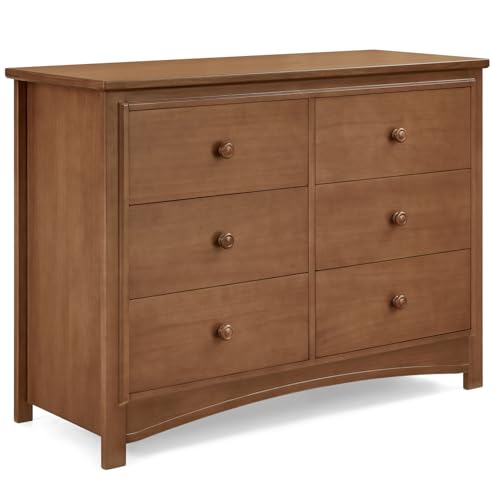
Nursery Dresser Guide: Safe, Smart & Stylish Storage
Everything you need to choose the perfect dresser for your baby's room — from safety to size, materials to style.
Shop Top Picks ↓Choosing a nursery dresser is one of the most important decisions you'll make for your baby's room. It's more than just storage — it's a piece of furniture that will see daily use, from diaper changes to organizing tiny onesies. This guide covers everything you need to know about nursery dressers, changing table dressers, and baby dressers, so you can make a confident, informed choice.
🚼 Safety First: What to Look For
When shopping for a nursery dresser, safety is non-negotiable. Look for anti-tip anchors (included with all our recommended picks), rounded corners, and non-toxic finishes. Ensure the dresser is sturdy and won't wobble. For a changing table dresser, check that the changing tray fits securely and has a guard rail. Always anchor the dresser to the wall — it's the #1 safety measure for nursery furniture.
Key Considerations for Your Nursery Dresser
📏 Size & Proportions
- Height: Ideal changing height is between 36–42 inches (waist-high).
- Depth: At least 18–20 inches for a stable changing surface.
- Width: Most nursery dressers range from 30–50 inches wide.
- Consider a tall dresser for small footprints or a wide dresser for more surface area.
🧺 Material & Durability
- Solid wood: Most durable and long-lasting (solid wood dresser).
- Engineered wood: More affordable, often lighter.
- Finish: Look for low-VOC, non-toxic paints or stains.
- Wood dressers in oak, walnut, or pine are popular choices.
🗄️ Drawer Configuration
- 3 drawers: Compact, ideal for smaller nurseries (3 drawer dresser).
- 4–6 drawers: The sweet spot for most nurseries (4 drawer dresser, 6 drawer dresser).
- Soft-close drawers: A must-have to prevent pinched fingers.
- Full-extension slides allow for easy access to the back.
🎨 Style & Decor
- Modern: Clean lines, minimal details (modern dresser).
- Scandinavian: Light wood, simple, functional (scandinavian dresser).
- Farmhouse: Rustic charm, often with a white or distressed finish.
- Consider a white dresser for a bright, airy feel, or a grey dresser for a neutral look.
The Complete Nursery Dresser Buying Guide
1. Why a Nursery Dresser is a Must-Have
A dedicated nursery dresser is the anchor of your baby's room. It keeps everything organized — from diapers and wipes to clothes and swaddles — within arm's reach. Many parents opt for a changing table dresser combination to save space and streamline their workflow. A good baby dresser will grow with your child, transitioning from a changing station to a regular dresser for older kids.
2. Size & Space Planning
Measure your nursery carefully. The dresser should leave at least 36 inches of walking space in front of it. For a small dresser (under 32 inches wide), consider placing it in a corner. For larger rooms, a wide dresser (42 inches or more) offers ample storage and a generous changing top. If your ceiling is low, a low dresser (around 30 inches tall) might be a better fit.
3. Material Matters
The material of your solid wood dresser affects both durability and aesthetics. Solid wood (oak, walnut, pine) is the most durable and can be refinished. Engineered wood (MDF, particleboard) is more budget-friendly but less resistant to moisture. Always check for non-toxic finishes — your baby will be spending a lot of time near this piece. A wood dresser with a natural oil finish is both beautiful and safe.
4. Drawer Count & Configuration
Consider what you'll be storing. A 3 drawer dresser is great for a minimalist nursery or a guest room. A 4 drawer dresser offers a good balance for most parents. For serious storage, a 6 drawer dresser or even a 8 drawer dresser can handle all of baby's clothes plus extra bedding. Look for deep drawers that can accommodate folded onesies and pajamas.
5. Style & Aesthetic
Your nursery dresser should complement the room's overall vibe. A modern dresser with clean lines works well in contemporary nurseries. A farmhouse dresser adds warmth and charm. A scandinavian dresser is perfect for minimalist, light-filled rooms. For a classic look, consider a white dresser or a grey dresser — both are timeless and easy to match with other decor.
6. Budget & Value
Nursery dressers range in price. Expect to invest anywhere from $300–$1,200+ for a quality piece. Best budget dressers offer solid functionality under $500. Best luxury dressers feature premium materials and craftsmanship. And for the best of both worlds, check out our best nursery dressers list — a curated selection of top-rated, parent-approved picks.
💡 Pro Tips for Nursery Dresser Organization
- Use drawer dividers: Keep onesies, socks, and accessories neatly separated.
- Label drawers: Makes it easy for partners or caregivers to find what they need.
- Keep diapering supplies on top: A caddy or basket keeps wipes, diapers, and cream within easy reach.
- Rotate clothes seasonally: Store out-of-season items in deeper drawers or under-bed bins.
For more inspiration, explore room ideas and nursery dresser ideas to see how other parents style their nurseries.
With this guide, you're now ready to choose the perfect nursery dresser. Prioritize safety, measure your space, and pick a style that makes you smile. Happy nesting!