Crib Dresser Changing Table Combo: The Complete Guide
One smart furniture piece that can transform a nursery. Learn how crib, dresser, and changing table combos work together — sizing, safety, materials, and storage layout — so you can choose the right setup with confidence.
START THE GUIDEWhy this guide matters: A crib dresser changing table combo is one of the most practical nursery investments you can make. It consolidates three essential functions into a single footprint, keeps everything within arm's reach during diaper changes, and grows with your child through the toddler years. But not every combo is built the same. This guide walks you through every decision point — from safety standards and drawer mechanics to mattress compatibility and long-term durability — so you can compare options with clarity instead of guesswork.
What Is a Crib Dresser Changing Table Combo?
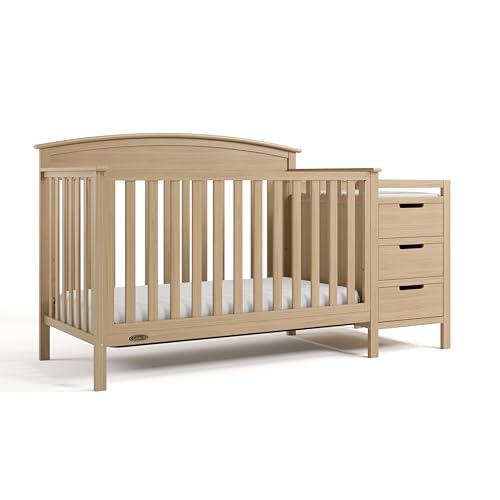
A crib dresser changing table combo is a coordinated nursery furniture set — or a single integrated unit — that combines a crib, a dresser with drawers, and a changing surface in one package. The most common configuration pairs a full-size crib with a dresser that includes a removable changing topper or a dedicated changing area on top. Some designs are true all-in-one units where the changing table folds down or converts into a dresser once the baby outgrows diapers.
This setup is popular for three reasons. First, it saves floor space in smaller nurseries. Second, it keeps diapers, wipes, clothing, and bedding organized in a single zone. Third, it eliminates the need to buy three separate pieces that may not match in style or finish. If you're comparing standalone options, you may also want to review our guide to crib and dresser sets or explore cribs with changing tables and dressers for alternative configurations.
Types of Crib Dresser Changing Table Combos
Combos fall into three broad categories. Understanding the differences helps you match the furniture to your room layout and long-term needs.
1. Integrated All-in-One Units
These are single pieces of furniture where the crib, dresser, and changing station are permanently connected. The changing surface is often on top of the dresser, and the crib is attached alongside or in front. Integrated units are space-efficient and usually designed with safety rails and strap anchor points. However, they are heavier and harder to rearrange, and they may not convert as flexibly as modular sets.
2. Modular Convertible Sets
A modular set includes a separate crib and dresser that are sold together but can be positioned independently. The dresser typically comes with a removable changing topper that sits on top and can be lifted off when no longer needed. This is the most flexible option: you can rearrange the room, convert the crib to a toddler bed, and keep using the dresser as a standalone piece for years. Many families prefer this route because it extends the usable life of the furniture well beyond the baby stage.
3. Compact and Mini Combos
Designed for small nurseries, apartments, or shared bedrooms, compact combos use a mini crib or a portable crib paired with a narrow dresser and a smaller changing surface. These are practical when floor space is limited, but the trade-off is reduced drawer capacity and shorter usable lifespan for the crib. If space is tight, our articles on children's dressers and nursery dressers offer additional storage ideas that fit compact rooms.
Comparing Combos by Quality Tier
Rather than focusing on numbers, it helps to classify combos by their market position and construction quality. The table below outlines what you can expect at each tier across the most important attributes. Use this as a framework when comparing product listings.
| Tier | Construction & Materials | Drawer Mechanics | Convertibility | Best For |
|---|---|---|---|---|
| Entry-level | Engineered wood with laminate or paper veneer; some particleboard | Basic side-mounted glides; may need occasional adjustment | Limited; crib may convert to toddler bed only | Short-term use, temporary setups, secondary nursery |
| Mid-range | Solid wood in key stress areas; high-grade engineered panels; durable finishes | Metal ball-bearing glides or smooth euro glides; soft-close on some models | Crib converts to toddler bed and daybed; dresser remains standalone | Families planning multiple children or long-term use |
| Premium | Solid hardwood frames; dovetail or reinforced joinery; non-toxic finishes | Full-extension ball-bearing glides; self-closing mechanisms; reinforced drawer boxes | Full conversion: crib to toddler bed, daybed, and full bed; dresser is a lifelong piece | Buyers prioritizing durability, safety certifications, and heirloom-quality furniture |
| Luxury / flagship | Premium hardwoods, hand-finished details, GREENGUARD Gold certified materials | Commercial-grade hardware; precision soft-close; tested for high-cycle durability | Complete multi-stage conversion plus matching adult furniture potential | Design-focused nurseries and long-term investment in nursery furniture |
As a rule, mid-range combos offer the most balanced combination of safety features, durability, and conversion flexibility. Entry-level models can work well for short-term needs, while premium and luxury tiers make sense when the furniture will be used for multiple children or passed down.
Sizing and Room Planning
Before comparing individual products, measure your nursery carefully. A typical full-size crib occupies roughly 30 by 54 inches of floor space, and a standard dresser is about 30 to 40 inches wide. A combo set needs clearance for the crib, the dresser, and safe walking space around the changing area — ideally at least 30 inches between furniture pieces.
Key measurements to confirm before buying:
- Total footprint: The combined width and depth of the crib and dresser when placed side by side or in an L-shape.
- Changing surface height: The top of the changing pad should sit at roughly waist height for the caregiver — usually 36 to 40 inches from the floor.
- Drawer clearance: Confirm that drawers can open fully without hitting the crib, a wall, or a closet door.
- Door and hallway width: Assembled units can be bulky; check that the pieces fit through doorways and stairwells during delivery.
- Window and vent placement: Keep the crib away from windows, cords, and heating vents, and position the changing area away from drafts.
If you're working with a narrow room, our guides on narrow drawer sets and shallow-depth dressers for small spaces can help you find storage that fits without crowding the crib.
Safety Standards and Features to Verify
Safety is the single most important factor in any nursery furniture decision. When evaluating a crib dresser changing table combo, verify the following:
Crib Safety
- Compliance with current crib safety standards, including fixed-side design and no drop-side rails.
- Slat spacing that prevents head entrapment — no more than 2⅜ inches between slats.
- Sturdy mattress support with no gaps between the mattress and crib sides.
- No missing or loose hardware; all fasteners should be tightened and checked regularly.
Changing Table Safety
- A raised perimeter or contoured sides to prevent rolling.
- A safety strap with a secure buckle, used every time.
- A stable base that does not wobble or tip when weight is applied to one side.
- Anti-tip hardware or wall-anchoring straps included with the dresser.
Dresser Safety
- Anti-tip kits are mandatory — anchor the dresser to the wall, especially in a combo setup.
- Drawer stops that prevent drawers from pulling completely out and falling.
- Soft-close or self-closing drawers reduce the risk of pinched fingers.
- Non-toxic, low-VOC finishes — look for GREENGUARD Gold or equivalent certifications.
Always follow the manufacturer's assembly instructions exactly, and re-check hardware every few months as the furniture settles. For more storage safety ideas, see our article on children's dressers.
Materials and Finishes
The material determines how the combo holds up to daily use, how it ages, and how safe it is indoors. Here's a quick breakdown:
- Solid hardwood (maple, oak, birch): The most durable option. Resists warping, holds hardware tightly, and can be refinished. Premium and luxury tiers typically use solid hardwood frames with engineered panels in non-stress areas.
- Engineered wood (MDF, particleboard): Common in entry-level and mid-range combos. Modern high-grade engineered panels are stable and uniform, but they are heavier and cannot be refinished. Check for durable laminate or veneer finishes.
- Pine and softwoods: Lighter and easier to move, but softer and more prone to dents. Often used in solid pine dressers and natural oak dressers; fine for a nursery if the finish is durable.
- Finishes: Water-based, low-VOC paints and stains are preferable for nursery furniture. Matte and satin finishes hide fingerprints better than high-gloss. White and natural wood tones remain the most versatile choices for nursery decor.
If you're considering a standalone dresser to pair with a crib instead of a bundled combo, our guide to high-quality solid wood dressers explains what to look for in joinery and drawer construction.
Storage Layout: What Goes Where
A well-planned dresser layout makes diaper changes faster and keeps the nursery tidy. A practical arrangement for a combo dresser looks like this:
- Top drawers (shallow): Diapers, wipes, rash cream, and changing essentials within arm's reach of the changing pad.
- Middle drawers (medium depth): Onesies, sleepers, socks, and bibs — items used daily.
- Bottom drawers (deep): Blankets, bedding, extra diapers, and out-of-season clothing.
- Side storage or open shelves: Burp cloths, books, and a small basket for toys or laundry.
Drawer dividers and labeled bins make it easy for multiple caregivers to find things quickly. If you need more capacity, consider adding a storage dresser or a tall skinny dresser for the closet to keep overflow organized.
Key Buying Considerations
When comparing combos, keep these factors in mind:
- Conversion range: Does the crib convert to a toddler bed, daybed, and full bed? The broader the conversion, the longer the set stays useful.
- Changing topper design: Removable toppers are more flexible than fixed changing surfaces. Check that the topper secures firmly and has a non-slip base.
- Drawer count and depth: Four to six drawers is typical for a combo dresser. Deep bottom drawers add flexibility; shallow top drawers improve organization.
- Assembly complexity: Combo sets involve more parts than standalone pieces. Check whether assembly service is offered and read reviews about instructions clarity.
- Matching accessories: Some sets include a matching nightstand or wardrobe. Coordinated pieces can simplify room planning — see our nursery wardrobe sets for ideas.
- Long-term plan: If you plan to have more children or want the furniture to last into elementary school, prioritize mid-range and premium tiers with solid joinery.
Frequently Asked Questions
Is a crib dresser changing table combo safe for a newborn?
Yes, provided the crib meets current safety standards and the dresser is anchored to the wall with an anti-tip kit. Always use the changing table's safety strap and never leave a baby unattended on the changing surface. Check hardware regularly and follow the manufacturer's assembly instructions precisely.
How long does a combo set last?
Entry-level combos typically serve through the baby and toddler stages. Mid-range and premium combos with full crib conversion — to toddler bed, daybed, and full bed — can remain in use for a decade or more, and the dresser often becomes a permanent bedroom piece.
Can I use the dresser without the changing topper?
Yes. On modular sets, the changing topper is removable, and the dresser functions as a standard chest of drawers once the baby outgrows diapers. Confirm that the dresser top is finished underneath the topper so it looks complete when removed.
What mattress size fits a combo crib?
Most full-size cribs in combo sets use a standard crib mattress — roughly 28 by 52 inches. Always match the mattress to the crib's internal dimensions and ensure there are no gaps between the mattress and the crib sides.
Do I need a separate changing table if I have a combo?
No. The integrated or topper-based changing surface serves the same purpose. Many parents prefer the combo because it keeps diapers and clothing in one zone. If you have a two-story home, a small secondary changing station upstairs can be convenient, but it is not required.
How do I choose between an integrated unit and a modular set?
Choose an integrated unit if space is tight and you want a single coordinated footprint. Choose a modular set if you value flexibility — easier room rearranging, independent conversion of the crib, and the ability to keep using the dresser after the crib is retired.
Ready to Compare Crib Dresser Combos?
Use our curated product list below to explore options across quality tiers. Compare features, conversion ranges, and storage layouts side by side — then choose the combo that fits your nursery and your family's long-term plan.
EXPLORE RECOMMENDED OPTIONS