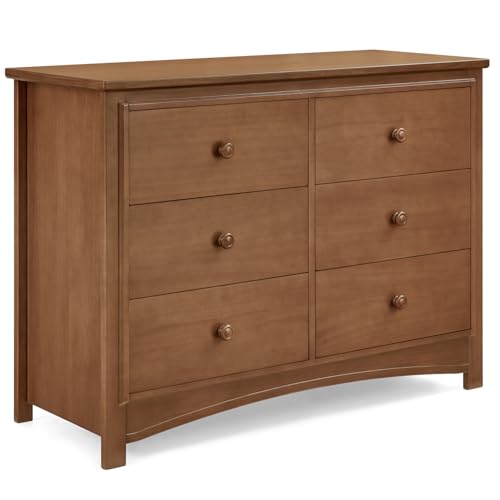
Nursery Dressers: The Complete Guide to Safe & Stylish Baby Storage
Everything you need to know about choosing a nursery dresser — from safety features and size to style and storage. Create a functional, beautiful nursery with confidence.
EXPLORE NURSERY DRESSERSDresserAdvisor Nursery Philosophy: A nursery dresser is more than just furniture — it's a safe haven for your baby's essentials and a daily-use station for parents. We help you navigate safety standards, storage needs, and style so you can choose with confidence.
Why Every Nursery Needs a Dedicated Dresser
A well-chosen nursery dresser serves as the organizational backbone of your baby's room. Unlike standard bedroom dressers, nursery dressers are designed to handle the unique demands of baby care: frequent diaper changes, tiny clothing, and the need for quick access to essentials at all hours.
Beyond function, the right dresser contributes to a calm, safe environment. It keeps clutter out of reach, provides a dedicated surface for a changing pad, and grows with your child from infancy through toddlerhood. Whether you prefer a dedicated nursery dresser or a versatile children's dresser, understanding the key features is the first step toward a smart purchase.
Key Features to Look for in a Nursery Dresser
When shopping for a nursery dresser, prioritize safety and functionality over aesthetics. The following features are essential for any nursery setup:
- Anti-Tip Hardware: A non-negotiable safety feature. Every nursery dresser must be anchored to the wall using straps or brackets. Many models include these, but always verify.
- Sturdy Construction: Look for solid wood or high-quality engineered wood with reinforced joints. A stable base prevents wobbling during diaper changes.
- Smooth Drawer Glides: Full-extension, ball-bearing glides make it easy to access items at the back of the drawer — especially helpful when you're holding a baby.
- Non-Toxic Finishes: Choose dressers with water-based, low-VOC finishes that are safe for indoor air quality in a baby's room.
- Appropriate Height: A height of 36–40 inches is comfortable for most parents during diaper changes. Consider your own height and the thickness of the changing pad.
- Drawer Depth and Count: Deep drawers accommodate folded clothes and blankets, while multiple smaller drawers help organize diapers, wipes, and accessories. A dresser with large deep drawers is particularly useful for nursery storage.
- Changing Top Compatibility: Some dressers feature a removable changing topper. A crib, dresser, and changing table combo can save space and streamline your nursery setup.
Types of Nursery Dressers
Nursery dressers come in several configurations, each suited to different room sizes and parenting styles. Understanding these options helps you match your choice to your space and needs.
Standard Nursery Dressers
A standard nursery dresser typically offers 3 to 6 drawers and a flat top suitable for a changing pad. These are the most common choice and work well in medium-sized nurseries. For families who want a coordinated look, a crib and dresser set ensures matching finishes and proportions.
Changing Table Dressers
These dressers feature a contoured top or removable topper designed to hold a changing pad securely. They combine storage and diaper-changing functionality in one piece, which is ideal for smaller rooms. Explore options like a crib with changing table and dresser for a complete nursery solution.
Tall and Narrow Nursery Dressers
For compact nurseries or apartments, a tall skinny dresser or a narrow set of drawers maximizes vertical storage without consuming floor space. These are also easier to anchor and position away from cribs.
Dressers with Hutch or Shelving
A dresser with hutch adds open shelving for books, toys, and decor above the changing area. This is a great option for nurseries that double as reading nooks or play spaces. Alternatively, a dresser bookshelf combines display and storage in a single footprint.
Convertible and Grow-With-Me Dressers
Some nursery dressers are designed to transition into standard bedroom dressers as your child grows. Look for removable changing toppers and timeless designs that won't look out of place in a toddler or teen room. A solid wood bedroom dresser set is a long-term investment that grows with your family.
Nursery Dresser Safety: What Every Parent Must Know
Safety is the single most important factor when choosing a nursery dresser. According to child safety organizations, dresser tip-overs are a leading cause of injury among young children. Follow these guidelines to create a safe nursery:
- Always Anchor: Use the provided anti-tip kit or purchase one separately. Secure the dresser to a wall stud whenever possible.
- Place Away from Crib: Position the dresser away from the crib and other furniture to prevent climbing and falls.
- Check Stability: Ensure the dresser sits level on the floor and does not wobble. Avoid placing heavy items on top that could encourage climbing.
- Drawer Stops: Look for drawers with stops that prevent them from pulling all the way out — this reduces the risk of tipping when a child pulls on an open drawer.
- Non-Toxic Materials: Verify that paints and finishes are low-VOC and free from harmful chemicals. This is especially important in a room where a baby spends many hours.
For a complete safety-focused selection, explore our nursery dressers category, where we highlight models with built-in safety features.
Size and Space Planning for Nursery Dressers
Before you shop, measure your nursery and map out a floor plan. Consider the following dimensions and layout tips:
- Width: Standard nursery dressers range from 30 to 60 inches wide. Leave at least 30 inches of clear space in front of the dresser for comfortable access.
- Depth: Most dressers are 18–20 inches deep. A shallow-depth dresser can be a smart choice for tight rooms.
- Height: As noted, 36–40 inches is ideal for diaper changes. If you're taller or shorter, adjust accordingly.
- Traffic Flow: Ensure the dresser doesn't block the path to the crib, closet, or doorway. A low-profile dresser can keep sightlines open in small rooms.
For more detailed measurements, see our dresser buying guide — it includes a sizing worksheet and space-planning checklist.
Style and Design Ideas for Nursery Dressers
The style of your nursery dresser should harmonize with the room's overall design while remaining practical. Here are some popular directions:
Modern and Minimalist
Clean lines, handleless drawers, and neutral finishes create a calm, modern nursery. A white dresser with white handles blends seamlessly into a minimalist scheme.
Farmhouse and Rustic
For a warm, cozy feel, consider a distressed white dresser or a solid pine dresser. These finishes add character and pair well with natural textiles and woven baskets.
Mid-Century Modern
Sleek, tapered legs and warm wood tones define mid-century style. A mid-century modern 4-drawer dresser offers retro charm with modern functionality.
Classic and Traditional
Timeless silhouettes and detailed hardware suit traditional nurseries. A Queen Anne dresser or a French country chest of drawers brings elegance to the room.
Colorful and Playful
If you want a pop of color, a white chest with gold handles offers a subtle glam touch, while painted finishes in pastels or bold hues can energize the space. Just ensure the finish is non-toxic and durable.
Storage and Organization Tips for Nursery Dressers
A nursery dresser is only as good as how you organize it. Use these practical tips to maximize every drawer:
- Zone Your Drawers: Assign drawers by category — diapering essentials, onesies, sleepwear, blankets, and out-of-season clothing.
- Use Drawer Dividers: Dividers keep tiny socks, hats, and mittens organized and easy to find during nighttime changes.
- Keep Essentials on Top: Use the dresser top for a changing pad, wipes, diapers, and a small lamp. A dresser with hidden jewelry drawer can keep small valuables secure.
- Rotate Clothing: Store outgrown or larger sizes in labeled bins on the bottom shelf or in a closet. A dresser closet combo can be a space-savvy solution.
- Add a Storage Bench: A dresser bench at the foot of the dresser provides a spot to sit during dressing and stores extra blankets or toys.
For more organization inspiration, see our storage dresser guide and hidden jewelry storage ideas.
Materials and Finishes: Choosing the Best for a Nursery
The materials used in your nursery dresser affect durability, safety, and style. Here's what to consider:
- Solid Wood: Durable and long-lasting, solid wood dressers like a high-quality solid wood dresser are a worthwhile investment. They can be refinished and passed down.
- Engineered Wood: More budget-friendly, but check for CARB-compliant low-emission boards and sturdy joinery.
- Non-Toxic Finishes: Water-based paints and finishes are safer for indoor air quality. Avoid strong chemical odors.
- Natural Wood Tones: A natural oak dresser or walnut wood dresser brings warmth and timeless appeal.
Nursery Dresser Sets and Combos: Complete Solutions
If you're furnishing a nursery from scratch, a coordinated set simplifies the process and ensures a cohesive look. Popular options include:
- Crib and dresser set — matching finishes and proportions for a polished nursery.
- Crib, dresser, and changing table combo — a three-in-one solution for small spaces.
- Double dresser and nightstand set — ample storage for twins or larger nurseries.
- White bedside table and dresser — a classic pairing that works in any style.
- Nursery wardrobe set — for families who need extra hanging space alongside drawer storage.
Choosing a Nursery Dresser That Grows With Your Child
A nursery dresser is a significant purchase, and many parents want a piece that will remain useful as their child grows. Here's how to choose a grow-with-me dresser:
- Timeless Design: Avoid overly themed or trend-driven styles. A classic silhouette works from infancy through the teen years.
- Convertible Features: Removable changing toppers and adjustable shelving allow the dresser to transition to a standard bedroom dresser.
- Durable Construction: Solid wood and high-quality hardware ensure the dresser withstands years of use.
- Neutral Finish: A white dresser with small drawers on top or a natural wood finish adapts to changing decor.
Frequently Asked Questions About Nursery Dressers
What should I look for in a nursery dresser?
Look for a dresser with a stable base, anti-tip hardware, smooth drawer glides, and non-toxic finishes. A height that is comfortable for diaper changes and enough drawer space for baby clothes and essentials are also important.
Can a regular dresser be used in a nursery?
Yes, a regular dresser can work in a nursery if it is sturdy, has anti-tip straps, and is placed away from cribs. However, a dedicated nursery dresser often includes features like a changing top and deeper drawers that are more convenient for baby care.
How tall should a nursery dresser be?
For comfortable diaper changes, a dresser height of around 36 to 40 inches is ideal for most parents. Consider the height of the changing pad and your own comfort to avoid back strain.
Do nursery dressers need to be anchored to the wall?
Yes, all dressers in a nursery must be anchored to the wall using anti-tip straps or brackets. This is a critical safety measure to prevent tip-over accidents, especially as children begin to climb.
How many drawers does a nursery dresser need?
A 4- to 6-drawer dresser is typically sufficient for a nursery. More drawers help with organization, while deep drawers are useful for blankets and larger items. Consider a six-drawer dresser for ample storage.
Ready to Choose Your Nursery Dresser?
Choosing the right nursery dresser is a blend of safety, functionality, and style. By prioritizing anti-tip hardware, sturdy construction, and thoughtful storage, you'll create a nursery that supports your daily routines and keeps your baby safe. Whether you need a compact narrow wooden chest of drawers for a small space or a tall white dresser with deep drawers for maximum organization, our guides and product recommendations are here to help.
Explore our curated selection of nursery dressers below, and take the next step toward a beautiful, functional nursery.
Recommended Nursery Dressers & Baby Storage
⚠️ AFFILIATE DISCLOSURE: This website contains affiliate links. As an Amazon Associate, we earn from qualifying purchases. If you make a purchase through these links, we may receive a small commission at no additional cost to you. Read our full affiliate policy.

Storkcraft Alpine 6-Drawer Dresser, Driftwood | GREENGUARD Gold Certified, Brown Dresser for Bedroom, Kids & Nursery Storage, Safety Interlocking Drawers, Kids Bedroom
Check price on Amazon
Storkcraft Horizon 6 Drawer Dresser, Driftwood | GREENGUARD Gold Certified, Wood Dresser for Nursery & Kids Bedroom, Nursery Storage with Interlocking Drawer System
Check price on Amazon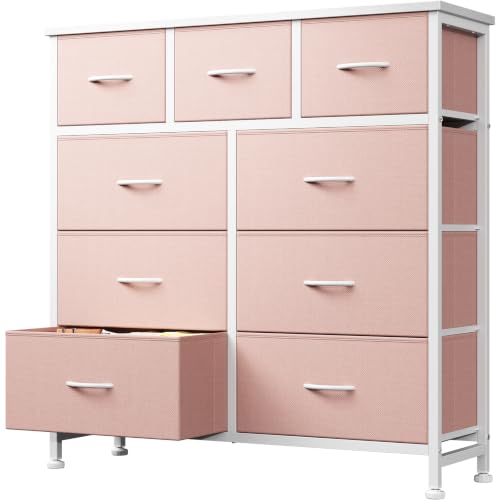
DUMOS 9 Drawer Dresser for Bedroom, Storage Organizer Chest of Drawers | Fabric Bins Storage Tower with Sturdy Metal Frame, Wood Tabletop for Closet, Soft Pink
Check price on Amazon
Vabches Kids Dresser Cabinet with 7 Drawers and Large Table Top, Multi-Functional Chest of Drawers, Baby Dresser, Kids Bedroom Furniture, Nightstand for Child’s Room, White
Check price on Amazon
Delta Children Universal 6 Drawer Dresser, Interlocking Drawers, Chestnut | Greenguard Gold Certified, 6 Drawer Dresser for the Nursery & Bedrooms, Wood Kids & Nursery Storage, Interlocking Drawers
Check price on Amazon
Vabches Kids Dresser Cabinet with 7 Drawers and Large Table Top, White Chest of Drawers, Baby Dresser, Kids Bedroom Furniture, Nightstand for Child’s Room, White
Check price on Amazon
WLIVE 10 Drawer White Fabric Dresser for Bedroom, Side Pockets Chest | White Fabric chest of drawers with PU Leather & hooks, perfect baby dresser for nursery kids bedroom toddler closet storage
Check price on Amazon