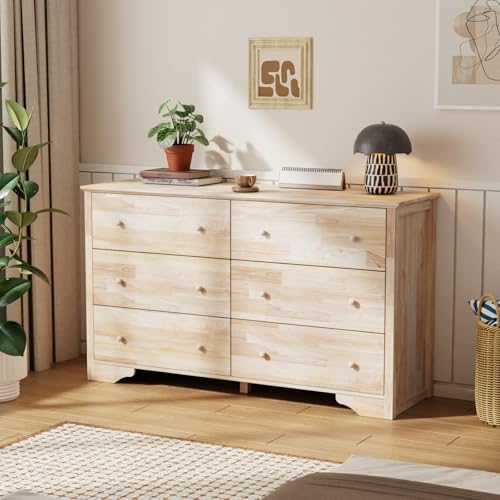
Solid Pine Dresser: The Complete Guide to Durable Wooden Storage
Everything you need to know about solid pine dressers — from grain and joinery to care, styling, and choosing the right piece for your bedroom.
What Is a Solid Pine Dresser?
A solid pine dresser is a bedroom storage piece constructed primarily from pine wood — a softwood sourced from pine trees that grow across Europe, North America, and parts of Asia. Unlike veneered or engineered-wood dressers, a solid pine dresser uses boards and panels milled from the same timber throughout, giving it a continuous grain pattern and a genuinely natural feel.
Pine is prized in furniture making for its straight grain, light color, and excellent workability. It takes stain, paint, and wax beautifully, which is why solid pine dressers appear in styles ranging from rustic farmhouse to clean Scandinavian modern. The wood's natural knots and subtle color variation — ranging from creamy white to honey gold — give each piece a character that synthetic materials simply cannot replicate.
Key characteristic: Solid pine dressers are typically lighter in weight than oak or maple pieces of the same size, making them easier to move and rearrange — a practical advantage in apartments and rentals.
Why Choose Solid Pine for Bedroom Storage
Pine has been a staple of bedroom furniture for centuries, and for good reason. Here are the main benefits that make solid pine dressers a smart choice for many households:
- Durable construction: Solid pine boards resist warping and splitting better than many engineered alternatives when properly finished. A well-built pine dresser can last for decades.
- Natural aesthetic: The visible grain and knotty texture bring warmth and authenticity to a bedroom, fitting farmhouse, cottage, coastal, and rustic interiors effortlessly.
- Workability and refinishing: Pine accepts paint and stain readily, making it an ideal candidate for DIY makeovers. A tired pine dresser can be sanded and refinished rather than replaced.
- Lighter weight: Moving day is easier with a pine piece — it is significantly lighter than dense hardwoods like oak or mahogany.
- Good value for its tier: Within the solid-wood furniture category, pine generally sits in the mid-range tier, offering genuine wood construction without the premium positioning of harder species.
For a broader look at how pine compares to other solid-wood options, see our guide to a high-quality solid wood dresser.
Key Quality Factors to Evaluate
Not all solid pine dressers are created equal. The difference between an entry-level piece and a top-tier one usually comes down to construction details rather than the wood itself. Here is what to inspect:
1. Joinery
Look for dovetail joints on drawer boxes or mortise-and-tenon joints on the frame. These mechanical connections are far more durable than stapled or glued butt joints. Dovetail joinery in particular signals a mid-range to high-end tier piece.
2. Drawer Glides
Wood-on-wood runners are traditional and acceptable on entry-level pieces, but metal ball-bearing glides or under-mount soft-close slides indicate a more refined build. Test the drawers in person if possible — they should glide smoothly without wobble.
3. Moisture Content
Well-kiln-dried pine should have a moisture content between 6 and 10 percent. Wood that is too wet will shrink and crack as it acclimates to your home. Reputable makers list this specification.
4. Drawer Bottoms and Backs
Check that drawer bottoms are at least 3–5 mm thick and set into grooves rather than stapled to the bottom edge. A reinforced back panel adds structural rigidity and prevents racking.
5. Finish Quality
A quality finish should be even, non-toxic, and appropriate for the wood. Water-based lacquers, hardwax oils, and furniture wax are common on premium pieces. Avoid heavily lacquered finishes that can chip and are difficult to repair.
6. Hardware
Solid metal pulls and knobs — rather than plastic or thin-plated alternatives — are a sign of a well-specified piece. If you plan to customize, pine dressers are easy to update with new pull handles for dresser drawers.
Pine vs. Other Dresser Woods
Understanding where pine sits relative to other furniture woods helps you choose confidently. The table below compares pine with common alternatives across the factors that matter most for a dresser.
| Wood Type | Hardness | Grain & Look | Best For |
|---|---|---|---|
| Pine | Softwood — softer, dents more easily | Straight grain, prominent knots, light honey tones | Rustic, farmhouse, cottage, painted finishes |
| Oak | Hardwood — dense and heavy | Pronounced open grain, warm golden-brown | Traditional, mission, long-term heavy-use pieces |
| Maple | Hardwood — very hard and fine-grained | Subtle, uniform grain, pale color | Modern, minimalist, painted or natural finishes |
| Walnut | Hardwood — medium density | Rich chocolate tones, flowing grain | Mid-century, luxury, statement furniture |
| Engineered / MDF | Variable — depends on core | Uniform, veneer-dependent | Entry-level tier, temporary or rental use |
If you are weighing natural wood against a darker, richer option, our guide to the walnut wood dresser covers how walnut compares in durability and aesthetic. For a lighter oak alternative, see the natural oak dresser overview.
Bottom line: Pine is the better choice when you want a solid-wood piece with character and are comfortable with a softer surface that may show minor dents over time. Oak and maple suit high-traffic, heavy-use environments better.
Popular Styles and Finishes
Because pine takes finish so well, it appears in a wide range of design languages. These are the most common styles you will encounter:
Natural / Clear-Finished Pine
Left close to its natural color with a clear lacquer or wax, natural pine showcases the grain and knots. It suits Scandinavian, coastal, and light-filled bedrooms.
Whitewashed and Painted Pine
Painted pine is extremely popular for farmhouse and cottage interiors. A distressed white dresser finish — where edges are sanded back to reveal the wood beneath — adds a relaxed, lived-in character.
Stained and Antiqued Pine
Honey, chestnut, and walnut-toned stains give pine a warmer, more traditional appearance. Antiqued finishes use glaze in the knots and crevices to simulate age, aligning with distressed chests and rustic aesthetics.
Shaker and Mission-Inspired Pine
Clean lines and simple hardware bring pine into classic American styles. Our guide to the Shaker style dresser explains how this understated look pairs with pine's straight grain.
Whichever finish you choose, pine's workability means a distressed dresser or custom paint project is always within reach.
Sizing and Drawer Configuration
Solid pine dressers come in a range of footprints and drawer counts. Matching the piece to your room and storage needs is as important as the wood itself.
Typical Sizes
- Small / narrow: 60–90 cm wide — ideal for tight spaces, guest rooms, or as a shallow dresser for small bedroom use.
- Standard double dresser: 120–160 cm wide — the most common bedroom configuration, offering generous folded-clothing capacity.
- Tall chest: 80–110 cm wide but 120–150 cm tall — maximizes vertical storage in compact rooms. See our tall wood dresser with deep drawers guide.
Drawer Counts
Three- and four-drawer pine dressers suit single users or guest rooms. Five- and six-drawer models are the sweet spot for couples, while nine-drawer configurations offer near-wardrobe capacity for larger households. For a dedicated storage solution, a storage dresser with deep lower drawers adds versatility.
Measurement tip: Always measure your wall space, doorways, and stairwell turns before ordering. Pine is lighter than hardwood but a wide dresser still needs clearance for delivery.
Care and Maintenance Tips
Pine is a living material that responds to its environment. A little routine care keeps a solid pine dresser looking its best for decades:
- Dust weekly with a soft, dry or slightly damp cloth. Avoid abrasive cleaners and silicone-based polishes.
- Control humidity: Keep the dresser away from radiators, heating vents, and direct sunlight. Aim for indoor humidity between 40 and 60 percent.
- Use coasters and felt pads: Pine dents and stains more readily than harder woods, so protect the top surface from moisture rings and heavy objects.
- Recondition periodically: Apply a furniture wax or hardwax oil every few months to nourish the wood and maintain the finish.
- Address dents promptly: Minor dents can often be raised with a damp cloth and a warm iron — a classic pine furniture trick.
- Tighten hardware annually: Check drawer pulls and glide screws and tighten as needed to prevent wobble.
If your pine dresser has an unfinished surface — common with an unfinished dresser — seal it with a non-toxic finish before first use to protect against stains and moisture.
Pine Dressers for Nurseries and Kids
Pine's lightweight build and paint-friendly surface make it a popular choice for children's furniture. A pine dresser can serve as a changing table with the addition of a contoured topper, then transition to general clothing storage as the child grows.
Safety is paramount in a nursery. Ensure the dresser is anchored to the wall with an anti-tip strap, that drawers have stop mechanisms, and that any painted finish is certified non-toxic. Explore our dedicated nursery dresser and children's dressers guides for detailed safety checklists.
For a coordinated nursery setup, a crib and dresser set in matching pine creates a cohesive look while simplifying your furniture shopping.
Frequently Asked Questions
Is a solid pine dresser durable enough for daily use?
Yes, solid pine dressers are durable for daily use when properly finished and maintained. Pine is a softer wood than oak or maple, so it may show dents over time, but its solid construction and reinforced joinery make it a reliable long-term storage piece for most bedrooms.
How do I care for a solid pine dresser?
Dust regularly with a soft cloth, avoid direct sunlight and excessive moisture, and reapply a wood conditioner or wax every few months. Use coasters under drinks and place the dresser away from heating vents to prevent cracking and warping.
What should I look for in a quality solid pine dresser?
Look for dovetail or mortise-and-tenon joinery, smooth drawer glides, a moisture content between 6 and 10 percent, and a consistent grain pattern. Check that the drawer bottoms are reinforced and that the finish is non-toxic and evenly applied.
Can a solid pine dresser be painted or refinished?
Yes, solid pine takes paint and stain very well. Sand the surface, apply a primer if painting, and use a quality wood stain or paint designed for furniture. Its straight grain and light color make it an excellent candidate for DIY makeovers.
Is pine a good choice for a nursery dresser?
Pine is a popular choice for nursery dressers because it is lightweight, sturdy, and often finished with non-toxic paints. Ensure the dresser is anchored to the wall and that drawers have safety stops to prevent tipping and pinching hazards.
Ready to Choose Your Solid Pine Dresser?
You now understand the construction details, styles, and care requirements that make a pine dresser a worthwhile investment. Browse our curated recommendations below to find a piece that fits your space and storage needs.
View Recommended Dressers