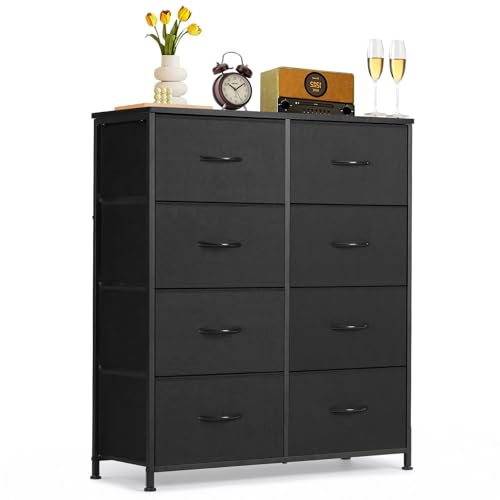
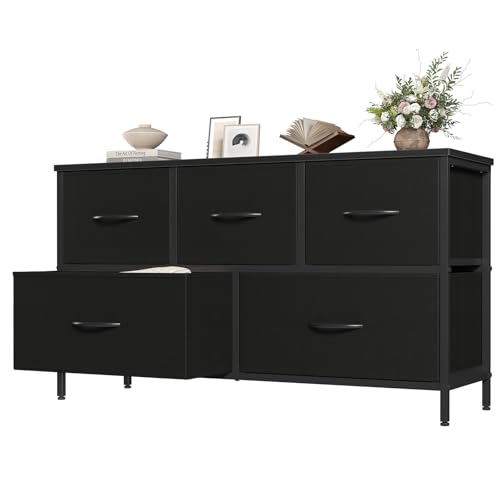
What a Storage Dresser Really Is
A storage dresser is a dresser designed around maximum usable storage rather than purely decorative form. That generally means deeper drawers, more efficient internal segmentation, and sometimes combination features such as shelves, cubbies, or hidden compartments. Where a standard bedroom dresser prioritizes appearance, a storage-focused dresser prioritizes how much you can actually put inside it without creating a mess.
This distinction matters because shoppers often assume all dressers hold a similar amount. In practice, two units with the same footprint can differ significantly in usable volume depending on drawer depth, side clearance, and whether the interior is divided into smaller compartments. If your main goal is to move a large wardrobe into a single bedroom piece, a storage dresser is usually the smarter starting point than a decorative dresser with shallow drawers.
Storage dressers also overlap with related furniture categories. Some buyers looking for extra capacity are better served by a chest of drawers with shelves, while others need a tall, narrow footprint such as a tall skinny dresser. Understanding the differences early saves a great deal of return-and-replace frustration later.
Quick rule of thumb: if you need to store folded clothing, bedding, and seasonal items in one piece, prioritize drawer depth and internal dividers over the number of drawers. Four deep drawers often hold more than eight shallow ones.
Key Buying Factors
1. Measure the room, not just the wall
The most common mistake is measuring only the wall where the dresser will sit. You also need clearance for drawer pull-out, walking space, and doors or closet access nearby. A deep dresser that blocks a closet door becomes an obstacle rather than a storage solution. Leave at least 24 to 30 inches of clearance in front of the unit so drawers can open fully.
2. Match drawer depth to what you actually store
Deep drawers are excellent for sweaters, bedding, and bulkier items. Shallow drawers suit folded shirts, accessories, and delicates. A practical storage dresser usually mixes both: a few deep drawers at the bottom and shallower ones near the top. If you want to store large items, look specifically for models described as having large deep drawers.
3. Check the weight rating and glides
Drawer glides determine long-term satisfaction. Basic roller glides work for light loads; ball-bearing or undermount soft-close glides handle heavier contents far better. If you plan to fill drawers with denim, books, or bedding, choose hardware rated for heavier loads. This is one of the clearest differences between entry-level and mid-range construction.
4. Confirm stability and safety features
Tall dressers should include anti-tip hardware. This is especially important in homes with children. A storage dresser with a tall, narrow profile must be anchored to the wall regardless of how stable it feels empty. Safety is a non-negotiable buying factor, not an optional extra.
5. Decide between freestanding and combination pieces
Some shoppers want a single piece that handles multiple functions. A dresser closet combo blends hanging space with drawer storage, while a dresser cabinet adds closed shelving. If you are furnishing a nursery, a crib dresser changing table combo can consolidate three needs into one footprint.
Drawer Layout and Capacity
Drawer count alone is a poor measure of storage. What matters is the combination of width, depth, and internal organization. Below is a practical comparison of common layouts you will encounter when shopping for a storage dresser.
| Layout | Best For | Considerations |
|---|---|---|
| 4 to 5 deep drawers | Folded clothing, bedding, bulk storage | Fewer compartments, so small items need dividers |
| 6 to 9 mixed drawers | Balanced everyday wardrobe storage | Check that the smaller drawers are still usable depth |
| Wide low profile | Under-window placement, shared bedrooms | Confirm drawer runners handle wide, heavy loads |
| Tall narrow column | Small rooms, closets, tight corners | Requires wall anchoring; check interior width |
| Dresser with shelves or hutch | Display plus storage in one piece | Shelving reduces drawer volume, so plan priorities |
If you want a unit with a large drawer count, a solid wood 9 drawer dresser offers a strong balance of capacity and structure. For rooms that are short on floor space, a low profile dresser keeps sightlines open while still providing meaningful storage.
Materials and Build Quality
The material determines how long a storage dresser survives daily opening and closing under load. Solid wood remains the benchmark for durability, but engineered wood with quality joinery can serve well in lower-traffic rooms.
Solid wood
Solid hardwood frames and drawer boxes resist warping and hold screws firmly over time. Oak, maple, walnut, and pine are common choices. A high quality solid wood dresser is a long-term investment that can be refinished rather than replaced. Pine is softer and more prone to denting, which matters if the dresser will see heavy use.
Engineered and composite wood
Particleboard and MDF with veneer finishes dominate entry-level and mid-range offerings. They can look excellent and perform reliably when joinery is sound, but they are less repairable and less tolerant of moisture. Check that edges are sealed and that drawer boxes are not thin, flexible panels.
Hardware and finish
Drawer pulls, glides, and hinges are where quality reveals itself. Metal pulls with secure screw anchors last far longer than glued or press-fit fittings. For a refresh project, swapping hardware is straightforward: browse pull handles for dresser drawers to update the look without replacing the piece.
Inspect the drawer box: a well-built drawer has dovetail or reinforced joints, a sturdy bottom panel, and glides rated for the load. These three details predict longevity better than the exterior finish.
Styles and Room Matching
Storage dressers are available across every major design language. Matching style to the room keeps the piece from feeling like an afterthought.
- Mid-century modern: clean lines, tapered legs, and warm wood tones. A mid century modern 4 drawer dresser suits contemporary and transitional bedrooms alike.
- Shaker style: simple recessed panels and honest proportions. A shaker style dresser fits farmhouse, traditional, and minimalist rooms.
- French country: carved details and soft finishes. A French country chest of drawers adds character to a guest room.
- Distressed and rustic: textured finishes that hide wear. A distressed dresser works well in casual and cottage settings.
- Natural wood tones: a natural oak dresser pairs with nearly any palette and ages gracefully.
For a coordinated bedroom, consider a solid wood bedroom dresser set so the dresser and nightstand share finish and hardware. If the room needs a display surface as well, a dresser with hutch adds vertical storage without a separate shelving unit.
Storage Dressers for Small Spaces
Small bedrooms demand careful dimension planning. The goal is to maximize drawer volume while keeping the floor plan open.
Choose depth before width
A shallow dresser that fits your walking path beats a deep one that blocks it. Browse shallow dresser options for small bedrooms if floor clearance is tight. For closets, a tall skinny dresser for closet uses vertical space that would otherwise go unused.
Use vertical space
Tall units store more per square foot of floor area. A tall bedroom cabinet with drawers can replace both a low dresser and a shelving unit. Just confirm the top drawers remain reachable for daily use.
Consider multi-purpose pieces
A dresser bench adds seating, and a dresser bookshelf combines display with storage. In dorm rooms or studio apartments, a dorm dresser sized for compact footprints is often the most practical choice.
If you need a narrow unit for a guest room, a narrow set of drawers for bedroom keeps the room functional without crowding it.
Organization Strategies
A storage dresser only performs well if the interior is organized deliberately. These strategies make a measurable difference:
- Assign zones by frequency: put daily items in the top drawers and seasonal or bulky items lower down.
- Use dividers: drawer dividers prevent the "everything slides forward" problem in deep drawers.
- Fold vertically: filing folded clothes upright lets you see every item at a glance.
- Rotate seasonally: move out-of-season clothing to storage bins and reclaim prime drawer space.
- Protect valuables: a dresser with hidden jewelry drawer keeps small items secure and separate from clothing.
For children's rooms, a children's dresser with lower drawer heights encourages independent tidying. In nurseries, pair a nursery dresser with a nursery wardrobe set to cover both folded and hanging storage.
Quality Tiers Explained
Rather than framing storage dressers by numerical figures, it helps to understand where a piece sits in the market by construction quality. The table below describes three broad tiers you will encounter.
| Tier | Typical Construction | Best For |
|---|---|---|
| Entry-level | Engineered wood, roller glides, basic joinery | Guest rooms, dorms, short-term setups |
| Mid-range | Mixed solid and engineered wood, ball-bearing glides, reinforced drawer boxes | Primary bedrooms, everyday family use |
| Premium | Solid hardwood, dovetail joints, soft-close undermount glides, sealed finishes | Long-term investment, high-traffic homes |
Mid-range models often represent the strongest balance for most households: they usually offer smoother mechanisms and sturdier drawer boxes than entry-level pieces, while remaining more accessible than premium hardwood construction. If you are planning a long-term purchase, premium solid wood is the most repairable and refinishable option. A dresser planning guide can help you align tier expectations with your needs.
For specific wood preferences, compare a solid pine dresser, a walnut wood dresser, and a light wood chest of drawers to see how grain and tone affect the room.
Frequently Asked Questions
How is a storage dresser different from a standard dresser?
A storage dresser prioritizes usable capacity through deeper drawers, better internal division, and sometimes shelving or combination features. A standard dresser may emphasize appearance with shallower drawers and fewer compartments.
How many drawers do I need for a bedroom?
For one adult, four to six well-sized drawers usually cover folded clothing, while bedding needs additional space. Couples often benefit from six to nine drawers or a combination of a dresser and a closet system. Depth matters more than raw count.
Should I choose solid wood or engineered wood?
Solid wood is more durable, repairable, and refinishable, making it a long-term investment. Engineered wood performs well in lower-traffic rooms and typically sits in entry-level or mid-range tiers. Inspect drawer boxes and glides regardless of material.
How do I keep a deep dresser organized?
Use drawer dividers, fold clothing vertically so items are visible, assign the deepest drawers to bulky items, and rotate seasonal clothing out of prime space. A hidden jewelry drawer or small organizer trays also help keep small items contained.
What clearance do I need in front of a dresser?
Leave at least 24 to 30 inches of clear floor space so drawers can open fully and you can move comfortably. Also confirm the unit does not block closet doors, outlets, or walkways.
Are tall storage dressers safe?
Tall dressers should always be anchored to the wall with anti-tip hardware. This is especially important in homes with children or pets. Stability hardware is a required feature, not an optional add-on.
Final Checklist Before You Decide
- Measure the wall, floor clearance, and drawer pull-out space.
- Confirm drawer depth matches what you store most.
- Check glide type and weight rating for heavy loads.
- Verify anti-tip hardware is included for tall units.
- Choose a material tier that matches long-term plans.
- Plan internal organization before the first load goes in.
With these factors settled, a storage dresser becomes more than furniture: it becomes the backbone of an organized bedroom. Take your measurements, confirm construction details, and choose the layout that fits the way you actually live.