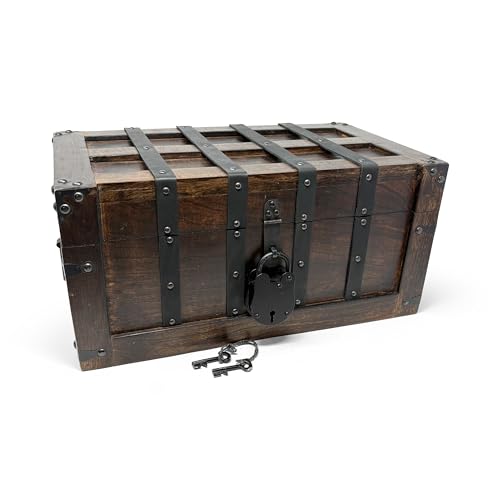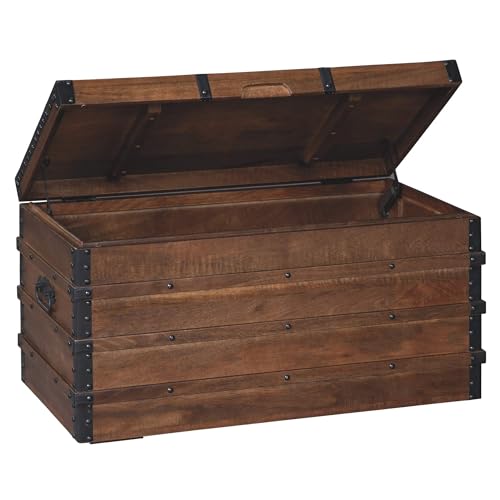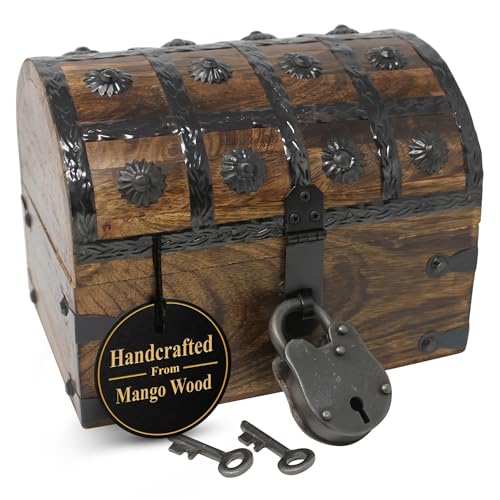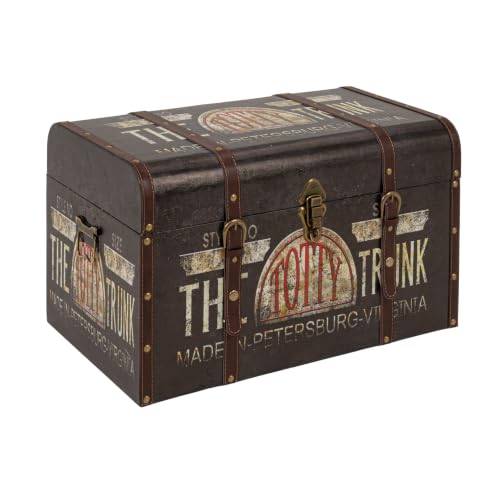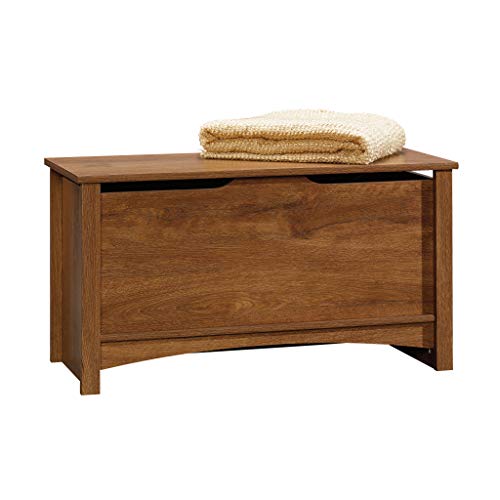
Antique Chests: Timeless Elegance & Practical Storage
Discover the charm of antique chests of drawers – from Georgian to Victorian. Our expert guide helps you choose the perfect vintage piece for your home.
START EXPLORINGThe Allure of Antique Chests
Antique chests of drawers are more than just functional storage pieces; they are works of art that bring history, character, and craftsmanship into any room. Whether you're furnishing a bedroom, a living room, or a bathroom, a well-chosen antique chest can become the centerpiece of your decor. Unlike mass-produced modern furniture, each antique chest carries a story, offering unmatched quality and distinctive style that adds soul to your home.
In this comprehensive guide, we explore everything you need to know about buying an antique chest. From identifying different styles and materials to understanding pricing and avoiding pitfalls, we'll help you make a confident purchase. After reading this article, you'll be ready to find the perfect vintage storage piece that combines beauty, history, and practicality.
Popular Antique Chest Styles
Antique chests come in a variety of styles, each reflecting the design trends of its era. Here are some of the most sought-after styles:
- Georgian (1714–1830): Known for its elegance and simplicity, Georgian chests often feature oak or mahogany wood, brass handles, and a classic, symmetrical design.
- Victorian (1837–1901): Victorian chests are more ornate, with elaborate carvings, dark woods like walnut and mahogany, and sometimes marble tops. They exude luxury and grandeur.
- Edwardian (1901–1910): Lighter and more delicate than Victorian, Edwardian chests often use satinwood or mahogany with inlay details and graceful lines.
- Art Deco (1920–1930s): Featuring bold geometric shapes, lacquer finishes, and exotic woods like walnut, Art Deco chests offer a modern vintage appeal.
- Mid-Century Modern (1940s–1960s): Clean lines, tapered legs, and warm walnut or teak define this style, which remains highly popular today.
Each style has its own unique charm. To explore more, check out our guides on vintage dressers, mid-century dressers, and French provincial chests.
Materials and Construction
The quality of an antique chest is determined by its materials and craftsmanship. Most antique chests are made from solid hardwoods, which offer durability and natural beauty. Common woods include:
- Oak: Durable and classic, oak was widely used in Georgian and Victorian furniture.
- Walnut: Prized for its rich color and grain, walnut is common in Art Deco and mid-century pieces.
- Mahogany: A premium wood with a deep reddish-brown hue, mahogany was favored in Georgian and Victorian furniture.
- Pine: Often used for country-style chests, pine is lightweight and has a warm, rustic look.
Look for dovetail joints in the drawer construction – a hallmark of quality antique furniture. Hand-cut dovetails indicate authentic craftsmanship, while machine-cut dovetails suggest later production.
The hardware – handles, knobs, and escutcheons – is also important. Original brass or iron hardware adds value and authenticity to a piece. For more details, visit our guides on dresser knobs and dresser handles.
Antique Chest Price Guide
What to Expect to Pay
Prices for antique chests vary widely based on age, condition, rarity, and provenance. Here is a general price range for different types of antique chests:
- Entry-Level Antique Chests: $500 – $1,500
- Mid-Range Antique Chests: $1,500 – $4,000
- Fine & Rare Antique Chests: $4,000 – $10,000+
For example, a charming Victorian mahogany chest in good condition typically costs around $1,800, while a rare Georgian oak chest with original hardware might fetch $3,500 or more. Always compare prices from reputable dealers and auction houses to ensure you're getting a fair deal.
When buying an antique chest, it's essential to consider not just the price but also the restoration costs and the market value. A piece that needs refinishing or hardware replacement may be more affordable upfront but could require additional investment.
Expert Tips for Buying Antique Chests
How to Make a Smart Purchase
- Examine the Back and Inside: Look for signs of authenticity like hand-cut dovetails, uneven drawer bottoms, and old wood grain. These features indicate genuine age.
- Check for Original Hardware: Original brass or iron handles and keyholes add value. Replacements are common but should be noted in the price.
- Assess the Condition: Minor scratches and dents add character, but significant damage like broken joints or cracked wood can be costly to repair.
- Identify the Wood: Knowing the type of wood helps determine the age and value. For example, mahogany was widely used from the 18th century onward.
- Look for Maker's Marks: Some antique chests have labels, stamps, or signatures that can identify the maker and add to the piece's value and story.
For more detailed advice, explore our comprehensive dresser buying guide and how to choose a dresser articles. These resources cover everything from sizing to style considerations.
Where to Use an Antique Chest
Antique chests are incredibly versatile and can enhance any room:
- Bedroom: The classic choice, an antique chest provides ample storage for clothing and linens while adding a touch of elegance to your personal space.
- Living Room: Use it as a sideboard or a statement piece to store blankets, books, or media accessories.
- Bathroom: A smaller antique chest can serve as a unique vanity or storage for towels and toiletries.
- Nursery: A sturdy antique chest with a changing table top can be a charming and functional addition to a child's room.
- Entryway or Hallway: A narrow antique chest offers convenient storage for keys, mail, and other daily essentials.
For small spaces, consider a tallboy chest or a bachelor chest – both offer vertical storage without taking up too much floor space.
Caring for Your Antique Chest
Proper care will keep your antique chest looking beautiful for generations:
- Dust Regularly: Use a soft, lint-free cloth to remove dust. Avoid abrasive cleaners that can damage the finish.
- Control Humidity: Extreme changes in humidity can cause wood to crack or warp. Use a humidifier in dry climates and avoid placing the chest near radiators or vents.
- Polish with Care: Use a high-quality furniture polish specifically designed for antique wood. Test on a small area first.
- Avoid Sunlight: Direct sunlight can fade the wood and finish. Position the chest away from windows or use curtains to protect it.
For restoration tips, check out our guides on how to refinish a dresser and how to paint a dresser.
Start Your Antique Chest Journey
An antique chest of drawers is more than just a piece of furniture – it's an investment in history and style. Whether you're drawn to the ornate detail of the Victorian era or the clean lines of mid-century design, there's an antique chest waiting to become a beloved part of your home.
Now that you've learned about the different styles, materials, and buying tips, you're ready to make an informed choice. Explore our recommended products below to find beautiful antique chests that combine timeless charm with everyday functionality.