
Drawer Pulls: The Complete Buying Guide
Everything you need to know about choosing, measuring, and installing drawer pulls for dressers, chests of drawers, and bedroom storage. Upgrade the look and feel of your furniture with the right hardware.
Why drawer pulls matter: Drawer pulls are the most-touched part of any dresser. The right set improves daily comfort, protects the drawer front from wear, and can transform the style of an entire bedroom. This guide walks you through styles, sizes, materials, and installation so you can choose with confidence.
What Are Drawer Pulls and Why Do They Matter?
Drawer pulls are the handles or knobs mounted to the front of a drawer that let you open and close it. They are a functional necessity, but they also act as jewelry for your furniture. A single swap of hardware can shift a dresser from dated to modern, from plain to polished, or from builder-grade to boutique.
Beyond aesthetics, drawer pulls protect the drawer front. Without a pull, hands and fingernails gradually wear through paint, veneer, and finish. A well-mounted pull distributes the opening force and keeps the surface intact for years. If you are also refreshing the front panel itself, see our guide to the drawer front for design options that pair well with new hardware.
Choosing drawer pulls is one of the last steps in a furniture project but one of the most visible. Whether you are upgrading a full dresser furniture piece or simply replacing worn hardware, the details below will help you get it right.
Drawer Knobs vs Drawer Pulls: What's the Difference?
The terms are often used interchangeably, but there is a meaningful distinction. A knob is a single-point fixture attached with one screw. A pull (also called a handle or bail pull) spans a distance and mounts with two screws, offering a full-hand grip.
| Feature | Drawer Knob | Drawer Pull / Handle |
|---|---|---|
| Mounting | Single screw | Two screws |
| Grip | Fingertip | Full hand |
| Best for | Small drawers, vintage and traditional styles | Large or heavy drawers, modern and transitional styles |
| Ease of use | Good on light drawers | Easier on wide or weighted drawers |
Many dressers combine both, using knobs on top drawers and pulls below. This mixed approach is practical and visually balanced. For a fuller comparison of decorative options, explore our broader guide to dresser knobs and our overview of dresser handles.
Popular Drawer Pull Styles
Style sets the mood of the piece. Match the pull to the dresser and the room rather than to a trend alone.
Bar Pulls
Simple, straight, and contemporary. Bar pulls are the default choice for modern and minimalist dressers. They come in round, square, and flat profiles and are easy to grip. For a cohesive modern look, pair them with a mid-century modern double dresser or a clean-lined wide six-drawer dresser.
Cup Pulls and Bin Pulls
Curved, half-moon shapes that evoke farmhouse, cottage, and vintage kitchens. Cup pulls work well on rustic and distressed dresser finishes, where their warm metal tones complement weathered wood.
Bail Pulls
A swinging handle on two mounts, classic in antique and traditional furniture. Bail pulls suit period pieces and shaker-inspired dressers and are a natural fit for distressed chests.
T-Bars and Edge Pulls
A T-bar is a short horizontal bar on a central stem, minimal and architectural. Edge pulls are recessed into the top edge of the drawer and keep a flush front profile, ideal for sleek, handleless designs.
Ring Pulls and Drop Handles
Decorative rings and drop handles add a jewelry-like detail. They suit antique restorations and ornate styles, and pair beautifully with dresser restoration projects where you want period-appropriate accents.
Style Matching Quick Tip
Modern and minimalist: bar or edge pulls. Farmhouse and rustic: cup or bail pulls. Traditional and antique: bail, ring, or ornate knobs. Mid-century: simple cylindrical knobs or slim bar pulls. Keeping one family of shapes across the piece creates a coherent look.
Drawer Pull Materials and Finishes
Material affects durability, feel, and long-term appearance. The table below uses neutral tier descriptors rather than numeric figures.
| Material | Market Tier | Best For | Durability Notes |
|---|---|---|---|
| Solid brass | Premium to luxury | Traditional, transitional, high-touch furniture | Heavy-duty, develops a living patina, resists corrosion |
| Stainless steel | Mid-range to premium | Modern and contemporary dressers | Rust-proof finish available, strong and easy to clean |
| Zinc alloy | Entry-level to mid-range | Everyday bedroom furniture | Solid build for the category; quality varies by coating |
| Aluminum | Entry-level to mid-range | Lightweight modern pieces | Light, corrosion-resistant, best for lighter drawers |
| Wood | Mid-range to premium | Scandinavian, boho, and natural wood dressers | Warm and tactile; less resistant to heavy use |
| Ceramic and glass | Mid-range to premium | Decorative and vintage-inspired pieces | Decorative, not for heavy drawers; can chip |
| Leather-wrapped | Premium to luxury | Upscale bedroom and living room furniture | Quiet grip, refined look; needs occasional care |
Finish matters as much as base metal. Brushed nickel and matte black hide fingerprints well. Polished chrome and polished brass show marks but offer a high-shine finish. A powder-coated or lacquered finish resists wear better than an unprotected one. For a broader discussion of coordinating metals with furniture, read our dresser hardware guide and our overview of dresser hardware.
How to Measure and Size Drawer Pulls
The single most important measurement is center-to-center (CTC) spacing: the distance between the centers of the two mounting holes. This is what retailers list and what determines whether a pull fits existing holes.
- Measure existing pulls: Use a tape or ruler from the center of one screw hole to the center of the other. Do not measure the overall length of the pull.
- Match or adapt: If you want to reuse holes, choose pulls with identical CTC spacing. If not, use a backplate to cover old holes and mount new ones.
- Scale to the drawer: A general rule is that the pull should span roughly one-third to one-half the drawer width. A narrow drawer looks best with a compact pull or a knob.
- Consider projection: The projection is how far the pull extends from the drawer face. Deeper projections are easier to grab; shallow ones look cleaner.
- Check clearance: Make sure the pull will not catch on adjacent drawers, a bed, or a wall when the drawer is fully open.
Drawer size also influences the practical layout. If you are planning a larger unit, a double wide dresser or a double chest of drawers often uses longer pulls on lower drawers and knobs on upper ones. For compact spaces, a dresser for small spaces may benefit from smaller pulls to keep the footprint visually light.
Installing and Replacing Drawer Pulls
Replacing hardware is one of the fastest furniture upgrades you can make. The process is straightforward with the right preparation.
- Empty and remove the drawer so you can work on a flat surface.
- Measure twice, drill once. Mark new holes with a pencil and use a center punch to prevent the bit from wandering.
- Use a template or jig for consistent spacing across multiple drawers.
- Match screw length to drawer front thickness. Screws that are too long can poke through the inside face.
- Add a backplate if new spacing does not match old holes, covering the gap cleanly.
- Tighten evenly to avoid compressing or cracking the finish, especially on thin or painted fronts.
If drawers themselves are the weak point, consider upgrading the sliding mechanism with heavy-duty full-extension drawer slides, which pair well with new pulls on a sturdy nine-drawer unit. For organizing the interior after your hardware refresh, see our drawer organizers and drawer dividers guide.
Drawer Pull Buying Checklist
- Measure center-to-center spacing on your current hardware before shopping.
- Choose a material tier that matches daily use: premium metals for high-traffic dressers, wood or ceramic for display pieces.
- Select a finish that coordinates with other metals in the room.
- Order a sample or a single pull when possible to check feel and color in your lighting.
- Count your drawers and add one or two spares for future replacements.
- Confirm screw length against your drawer front thickness, or order a mixed pack.
- Plan for alignment with a template if you are drilling new holes.
Frequently Asked Questions About Drawer Pulls
What is the difference between a drawer pull and a drawer knob?
A knob mounts with one screw and is gripped with the fingertips. A pull mounts with two screws, spans a distance, and allows a full-hand grip. Knobs suit small or traditional drawers; pulls are easier on large or heavy drawers.
How do I measure drawer pull spacing?
Measure center-to-center: the distance between the centers of the two mounting holes. This is the standard measurement used when shopping for replacements. If drilling new holes, center the pull visually on the drawer front.
Which drawer pull material is most durable?
Solid brass and stainless steel are among the most durable, resisting wear and corrosion. Zinc alloy with a quality finish offers a solid middle ground. Wood and ceramic are best for lighter, decorative use.
Can I replace drawer pulls without drilling new holes?
Yes. If the new pull has the same center-to-center spacing as the old one, it mounts directly into the existing holes. If spacing differs, use a backplate or adapter plate to cover old holes and provide new mounting points.
How many pulls do I need per drawer?
Use one pull for drawers up to about 24 inches wide, and two pulls for wider drawers to balance the look and reduce twisting force. Narrow drawers look best with a single knob or compact pull.
Recommended Drawer Pulls for Dressers and Chests
⚠️ AFFILIATE DISCLOSURE: This website contains affiliate links. As an Amazon Associate, we earn from qualifying purchases. If you make a purchase through these links, we may receive a small commission at no additional cost to you. Read our full affiliate policy.
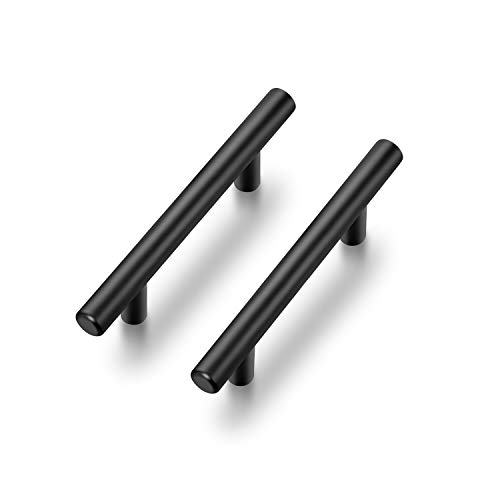
Ravinte Cabinet Handles,5" Length,3" Hole Center,Matte Black,30 Pack | Stainless Steel Feel, Round T-Bar Shape, Kitchen Drawer Pulls, Cabinet Handles, For Cupboards, Drawers, Dressers, Cabinets
Check price on Amazon
Ravinte Cabinet Handles, Brushed Nickel,5" Length,3" Hole Center,30 Pack | Stainless Steel Pull Feel, Round T-Bar Shape, Kitchen Cabinet Pulls, For Cupboards, Drawers, Dressers, Cabinets
Check price on Amazon
homdiy 15 Pack Brushed Nickel Cabinet Pulls 3 Inch Handles Stainless Steel Cabinet Hardware for Kitchen and Bathroom Cabinets, 5 Inch Overall Drawer Pull
Check price on Amazon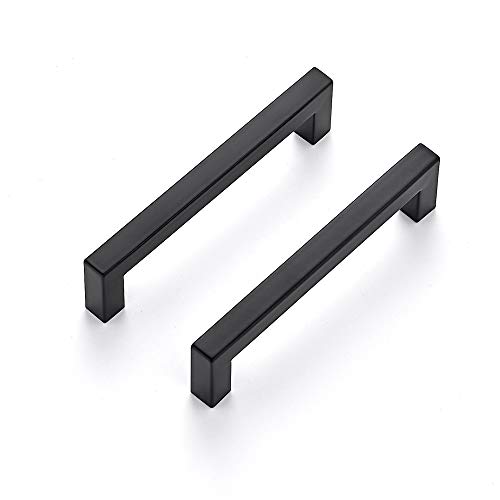
Ravinte Matte Black Square Cabinet Handles Drawer Pulls,5 Inch,30 Pack | Screws Included, Stainless Steel, Square Bar Grip, Easy Install, Kitchen Cabinet Hardware, For Cupboards, Drawers, Dressers
Check price on Amazon
Ravinte Matte Black Drawer Pulls Cabinet Cup Pulls 3 Inch 10 Pack | Kitchen Hardware, Cup Pull Shape, Cabinet Handles, Drawer Handles, Smooth Drawer Grip,For Dressers, Cupboards
Check price on Amazon
10 Pack Cabinet Handles, 5 Inch Length, 3 Inch Hole Center, Matte Black | Stainless Cabinet Handles, Kitchen Drawer Pulls, Cabinet Handles, For Cupboards, Drawers, Dressers, Cabinet Update
Check price on Amazon
Matte Black Cabinet Drawer Hardware,30mm Kitchen Cabinet Knobs,18 Pack | Drawer Pulls, Stainless Steel, Round Shape, Smooth Touch, with Installation Screws, for Dressers Kitchens Cupboard
Check price on Amazon