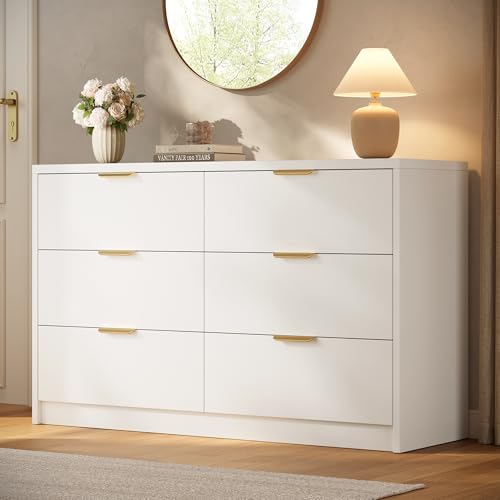
Large Dressers: The Complete Buying Guide
Everything you need to know before choosing a large dresser for your bedroom, walk-in closet, or guest suite. Compare capacities, materials, configurations, and styling options with confidence.
Buying a large dresser is a long-term investment in storage efficiency, bedroom organization, and furniture durability. This guide breaks down the essentials so you can decide with clarity.
Explore the Buying GuideWhy large dressers matter: A large dresser is the anchor of bedroom storage. It consolidates clothing, linens, and accessories into one cohesive piece, freeing up closet space and reducing visual clutter. For households with shared wardrobes, seasonal clothing rotation, or growing families, a large dresser delivers the capacity that smaller units simply cannot match.
What Defines a Large Dresser?
A large dresser is generally characterized by its width, height, and drawer capacity. While definitions vary slightly by manufacturer, the following dimensions are widely accepted as the baseline for a large dresser:
- Width: 60 inches or more (often 60 to 72 inches)
- Height: 36 inches or more, with tall configurations reaching 50 inches and above
- Depth: 18 to 22 inches, allowing deep drawers for bulky items
- Drawer count: Typically six to twelve drawers, often in mixed sizes
Compared to a standard dresser, a large dresser offers significantly more surface area and storage volume. It is ideal for primary bedrooms, guest rooms with extended-stay visitors, and walk-in closets where a dedicated storage piece is essential. If you are comparing formats, our guide on large chest of drawers explains how chest configurations differ from dresser configurations in vertical versus horizontal storage.
Types of Large Dressers and Their Best Uses
Large dressers come in several configurations, each suited to different room layouts and storage habits. Understanding these formats helps you match the piece to your space rather than forcing a fit.
1. Wide Large Dressers
Wide dressers prioritize horizontal storage with broad drawer fronts. They work well against long bedroom walls and can double as a display surface for decor, mirrors, and lighting. A large dresser for bedroom in a wide format often becomes the visual focal point of the room.
2. Tall Large Dressers
Tall large dressers stack drawers vertically, preserving floor space while still delivering high capacity. These are a strong choice for compact bedrooms and walk-in closets. Explore large tall dresser for bedroom options if you need maximum storage in a narrow footprint.
3. Large Capacity Dressers
Capacity-focused designs emphasize deep drawers and generous internal dimensions. A large capacity dresser is ideal for families, shared rooms, and anyone storing bulky items like sweaters, bedding, or seasonal clothing. Pair it with a large capacity chest of drawers for a complete storage system.
4. Specialty Large Dressers
Beyond standard formats, large dressers are available in mirrored, roll-top, and walk-in-closet-specific designs. A large bedroom dresser with mirror combines storage with a dressing surface, while a large walk-in closet dresser is tailored for wardrobe rooms. For desks that integrate storage, see our large roll-top desk guide.
Sizing and Space Planning for Large Dressers
Large dressers demand careful measurement before purchase. The goal is to balance storage capacity with comfortable walking clearance and drawer extension room.
Key Measurements to Take
- Wall width: Measure the full wall segment where the dresser will sit. Allow at least 6 to 12 inches of breathing room on each side for visual balance.
- Drawer clearance: Plan for 30 inches of open floor space in front of the dresser so drawers can extend fully.
- Door swing: Check that closet doors, bedroom doors, and adjacent furniture do not conflict with the dresser footprint.
- Ceiling height: For tall large dressers, confirm that the unit fits below any wall-mounted fixtures or window trim.
- Pathways: Maintain at least 36 inches of walking clearance between the dresser and the bed or other furniture.
Large Dresser Dimensions Reference
| Configuration | Typical Width | Typical Height | Best For |
|---|---|---|---|
| Wide large dresser | 60–72 in | 32–40 in | Long bedroom walls, display surfaces |
| Tall large dresser | 40–56 in | 44–56 in | Compact rooms, vertical storage |
| Large capacity dresser | 60–72 in | 36–44 in | Families, shared rooms, bulky items |
| Large mirrored dresser | 58–70 in | 36–48 in | Dressing areas, guest bedrooms |
If your room is on the smaller side, consider a large heavy-duty drawer slides upgrade paired with a tall configuration. This combination maximizes usable storage without expanding the footprint.
Materials and Construction Quality
Large dressers carry heavier loads than standard units, so construction quality matters more. The material and joinery determine how well the dresser holds up over years of daily use.
Solid Wood
Solid wood remains the benchmark for durability. Oak, maple, walnut, mahogany, and pine are common choices. A large solid wood chest of drawers or a large wood dresser offers repairability, refinishing potential, and a natural aesthetic that improves with age. Solid wood also handles heavy drawer loads without sagging when properly constructed.
Engineered Wood and Veneers
High-grade engineered wood with quality veneers provides a mid-range alternative. These pieces are often more stable in humid environments and can replicate the look of solid wood. Check for dovetail or box joints, reinforced corner blocks, and metal drawer glide systems rated for heavy loads.
Metal and Mixed Materials
Metal-framed large dressers offer industrial aesthetics and structural rigidity. Look for powder-coated finishes that resist rust, and confirm that drawer slides are rated for the intended load. Mixed-material designs combining wood bodies with metal frames deliver both visual interest and practical strength.
Tier Classification for Construction Quality
| Tier | Construction Characteristics | Best For |
|---|---|---|
| Entry-level | Engineered wood panels, basic drawer glides, stapled or glued joints | Guest rooms, light-use spaces |
| Mid-range | Wood veneers, metal glides, reinforced corner blocks, partial dovetail joints | Primary bedrooms, daily use |
| Premium | Solid wood primary surfaces, full dovetail joints, heavy-duty slides | Long-term primary bedroom use |
| Luxury | Kiln-dried hardwood throughout, hand-finished surfaces, premium hardware | Heirloom pieces, luxury interiors |
Drawer Configuration and Organization
The number and size of drawers determine how usable a large dresser feels day to day. A well-planned drawer layout balances deep storage with shallow organization drawers.
Drawer Count Guidance
- Six drawers: A simplified layout with large, uniform drawers. Best for bulky items and minimal sorting.
- Eight drawers: A balanced mix of deep lower drawers and shallower upper drawers. The most common large dresser configuration.
- Ten to twelve drawers: Maximum organization with dedicated zones for clothing types. Ideal for shared dressers and detailed sorting.
Drawer Depth and Width
Deep drawers (8 to 10 inches internal depth) suit sweaters, denim, and bedding. Shallow drawers (4 to 6 inches) work for delicates, accessories, and folded shirts. Wide drawer fronts (30 inches or more) reduce the number of drawers needed but require sturdier slides. If you plan to store heavy items, upgrade to large heavy-duty drawer slides to prevent sagging and improve glide smoothness.
Interior Organization Tips
- Use drawer dividers to separate categories within wide drawers.
- Assign the top drawers to accessories, socks, and undergarments.
- Reserve the bottom drawers for bulky items and off-season clothing.
- Line drawers with cedar or anti-slip liners to protect fabrics and reduce movement.
- Rotate seasonal clothing to keep frequently used items in the most accessible drawers.
Style, Finish, and Aesthetic Considerations
A large dresser occupies significant visual space, so its style should harmonize with the room's overall design language. Finish and hardware choices also affect maintenance and longevity.
Popular Styles
- Mid-century modern: Clean lines, tapered legs, and warm wood tones. See our large mid-century modern dresser guide for styling ideas.
- Traditional: Ornate detailing, bracket feet, and rich finishes. Antique-inspired pieces like a large antique chest of drawers add character to classic bedrooms.
- Modern minimalist: Flat fronts, integrated handles, and neutral finishes. A large black dresser or a large white dresser anchors a clean, contemporary look.
- Lacquer and gloss: A lacquer dresser finish delivers a polished, reflective surface that suits modern and glam interiors.
Finish Durability
Painted and lacquered finishes resist moisture and clean easily, making them suitable for busy households. Natural wood finishes require periodic conditioning but age gracefully. Laminate surfaces offer stain resistance and are simple to maintain. Our laminate dresser guide covers care and durability expectations for laminate finishes.
Hardware Selection
Drawer pulls and knobs are replaceable, so treat hardware as a styling detail rather than a permanent commitment. Metal bar pulls, cup pulls, and knobs in brushed brass, matte black, or nickel can dramatically shift the look of a large dresser without altering the piece itself.
Large Dresser Buying Checklist
Before You Commit to a Large Dresser
- Measure the wall, walking clearance, and drawer extension space.
- Confirm the drawer count and size mix match your storage categories.
- Verify the construction tier aligns with expected daily use.
- Check that drawer slides are rated for the loads you plan to store.
- Confirm the unit includes an anti-tip wall anchor kit.
- Review delivery logistics — large dressers often ship assembled or partially assembled and may require two people to move.
- Compare finish options against existing bedroom furniture and flooring.
- Decide whether a matching large bedroom dresser for sale configuration or a standalone piece suits your room better.
Large Dressers by Room Type
Primary Bedroom
In a primary bedroom, a large dresser often serves as both storage and styling surface. Choose a wide configuration with a mix of deep and shallow drawers. Pair it with a large bedroom dresser with mirror if you want a built-in dressing station.
Guest Bedroom
Guest rooms benefit from large dressers that can accommodate a full set of linens, extra bedding, and spare clothing. A large white dresser with mirror brightens the room and provides a welcoming, hotel-like feel.
Walk-In Closet
Walk-in closets can accommodate large dressers dedicated to folded clothing, accessories, and jewelry. A large walk-in closet dresser centralizes storage and reduces the need for multiple smaller units. Pair it with a low dresser for closet if you need additional surface area under hanging sections.
Shared and Family Rooms
For shared bedrooms, a large dresser with clearly divided drawer zones helps maintain order. Consider a large capacity chest of drawers if vertical space is available, or a long dresser with lots of drawers if wall width permits.
Care and Maintenance for Large Dressers
Large dressers benefit from routine care that protects both the finish and the mechanical components. Follow these practices to extend the lifespan of your piece:
- Dust surfaces weekly with a soft, dry cloth to prevent abrasive buildup.
- Use a wood conditioner or appropriate cleaner for the finish type every few months.
- Lubricate metal drawer slides annually with a silicone-based lubricant.
- Check and tighten hardware periodically, especially on high-use drawers.
- Avoid placing the dresser in direct sunlight to prevent fading and finish degradation.
- Keep the anti-tip anchor secured and inspect it after moving the dresser.
Ready to Choose Your Large Dresser?
Use the recommendations below to compare large dresser options that match your space, storage needs, and construction preferences. Every product is selected to help you make a confident, well-informed decision.
Frequently Asked Questions About Large Dressers
What qualifies as a large dresser?
A large dresser typically measures 60 inches or more in width, 36 inches or more in height, and 18 to 22 inches in depth. These dimensions provide substantial drawer space, often with six to twelve drawers, making them suitable for primary bedrooms, walk-in closets, and shared spaces.
How much floor space does a large dresser need?
Plan for the dresser footprint plus at least 30 inches of clearance in front for drawer extension. A typical large dresser occupies a wall segment of 60 to 72 inches wide. In smaller rooms, consider a tall large dresser that uses vertical space instead of horizontal width.
What materials are best for large dressers?
Solid wood such as oak, maple, walnut, and mahogany offers the best durability for large dressers because heavier loads demand stronger joinery. High-grade engineered wood with quality veneers is a viable mid-range option. Look for dovetail drawer joints, metal glide systems, and reinforced corner blocks for heavy-duty use.
Can a large dresser work in a small bedroom?
Yes, if you choose the right configuration. A tall, narrow large dresser uses vertical height and preserves floor space. Measure your wall and walking clearance first, and consider a large dresser with deep drawers to consolidate storage into fewer, wider units.
How many drawers should a large dresser have?
Most large dressers feature six to twelve drawers. A mix of deep drawers for folded clothing and shallow drawers for accessories works best. Wide drawers suit bulky items like sweaters and linens, while narrower upper drawers handle delicates and small essentials.
Do large dressers need to be anchored to the wall?
Yes. Large dressers are heavy and can tip if drawers are left open or if children climb on them. Always use the anti-tip strap or wall anchor kit included with the unit. This is especially important in households with children and in earthquake-prone regions.