Queen Anne Dresser Buying Guide
Discover the timeless elegance and refined craftsmanship of Queen Anne dressers. Learn to choose the perfect piece that combines heritage style with modern functionality.
Shop Recommended DressersQueen Anne Style Defined: The Queen Anne style is characterized by graceful curves, cabriole legs, and intricate carvings. This design, originating in the early 18th century, remains a symbol of classic elegance and enduring craftsmanship in bedroom furniture.
What Is a Queen Anne Dresser?
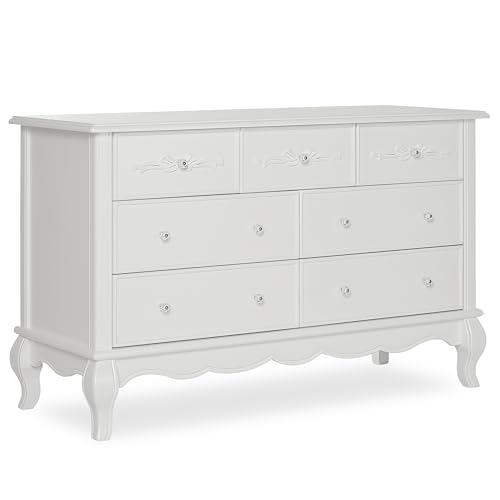
A Queen Anne dresser is a piece of bedroom furniture that embodies the elegance and refined craftsmanship of the early 18th-century English design movement. Named after Queen Anne of England, who reigned from 1702 to 1714, this style is distinguished by its graceful curves, cabriole legs (legs that curve outward and then taper in), and ornate details like shell carvings and decorative hardware. These dressers are not just functional storage solutions; they are statement pieces that add a touch of historical sophistication to any bedroom.
Unlike the more rigid and symmetrical designs that preceded it, the Queen Anne style embraces movement and fluidity. A chest of drawers in this style often features a distinctive broken pediment or a subtle curve at the top, along with meticulously crafted veneers. Whether you're furnishing a traditional home or adding a touch of classic character to a modern space, a Queen Anne dresser offers a unique blend of history and practicality.
Key Design Features
Understanding the hallmarks of a Queen Anne dresser will help you identify authentic pieces and appreciate their craftsmanship. Here are the defining characteristics to look for:
Cabriole Legs
The most iconic feature of a Queen Anne dresser is its cabriole legs. These legs curve smoothly outward at the knee and then taper inward to a decorative foot, often a pad foot or Spanish foot. This design was a departure from the straight, turned legs of earlier periods and gave furniture a lighter, more graceful appearance. The cabriole leg is a testament to the furniture maker's skill, requiring careful shaping and carving to achieve the perfect curve.
Decorative Carvings and Hardware
Queen Anne furniture is known for its elegant ornamentation. Look for the shell motif, a common decorative element often carved into the center of the top drawer or on the pediment. Other carvings might include stylized leaves, flowers, and intricate moldings. The original hardware was typically made of brass, featuring keyhole plates and drawer pulls with scalloped or teardrop shapes. Modern reproductions often maintain this tradition with high-quality brass or antique-finished hardware.
Curved Silhouette and Pediment
Beyond the legs, the entire silhouette of a Queen Anne dresser is defined by subtle curves. The front may have a gentle bow (a curved front), and the top of the piece often features a broken pediment or a simple, elegant cornice. This creates a sense of height and grandeur, distinguishing it from more rectangular and boxy designs.
Queen Anne vs. Other Classic Styles
If you're exploring different styles of classic furniture, it's helpful to understand how the Queen Anne style compares to other popular periods. For instance, the provincial dresser is often more rustic and less ornate, emphasizing local craftsmanship over the refined urban style of the Queen Anne. Meanwhile, a Chippendale dresser, which came after the Queen Anne period, tends to be more elaborate with heavier carvings and a more masculine feel.
The Queen Anne style is also often compared to the Eastlake dresser, which was a later 19th-century style. Eastlake furniture is characterized by its rectilinear forms and incised geometric ornamentation, a stark contrast to the fluid curves of the Queen Anne. If you appreciate the intricate carving of the Queen Anne but prefer a darker, more imposing wood, you might also explore an antique mahogany dresser, which often showcases similar design principles but in a different material and finish.
For those who love the vintage appeal, a Art Deco waterfall dresser offers a completely different aesthetic with its streamlined, rounded corners and highly polished veneers. The Queen Anne stands apart by offering a warm, organic elegance that has proven timeless.
Complete Queen Anne Dresser Buying Guide
Choosing the right Queen Anne dresser involves more than just admiring its beauty. It's about finding a piece that fits your space, storage needs, and budget while ensuring you get an authentic or high-quality reproduction. This guide will walk you through the essential factors to consider.
Assessing Quality and Authenticity
When evaluating a Queen Anne dresser, the construction methods are paramount. Look for pieces made from solid wood or high-quality wood veneers. Dovetail joints on the drawers are a sign of quality craftsmanship, indicating the piece is built to last. The weight of the piece can also be a clue; a heavier dresser is often made from denser, more durable wood. For antique pieces, check for signs of age like patina on the hardware and consistent wear that matches the furniture's history.
Many modern reproductions are built from a combination of solid wood and engineered wood. While these can be beautiful and functional, they are often more affordable. If you are looking for an investment piece, an antique or a high-quality, solid-wood reproduction is a better choice. A classic wood bureau often shares similar quality markers, so the same principles of assessing joinery and materials apply.
Choosing the Right Size
Queen Anne dressers come in various sizes to suit different spaces. The size you choose depends on the dimensions of your bedroom and the amount of clothing you need to store. Here is a general guide to typical sizes:
| Type | Typical Width | Typical Height | Best For |
|---|---|---|---|
| Small / Narrow | 28" – 36" | 30" – 36" | Small bedrooms, entryways, or as an accent piece |
| Standard / Wide | 48" – 60" | 34" – 40" | Primary bedrooms, master suites, or shared spaces |
| Tall / Highboy | 32" – 40" | 50" – 65" | Spaces where floor space is limited, but vertical storage is needed |
Consider the layout of your room. A taller, narrower highboy can be a great choice for a corner dresser setup, though a traditional Queen Anne highboy is often a standalone statement piece. For a child's room, you might want to choose a more modest size, or even a dresser with changing table top that combines the classic style with modern functionality.
Choosing the Right Wood and Finish
The beauty of a Queen Anne dresser is often showcased in the wood and its finish. Traditionally, these dressers were crafted from walnut, mahogany, or cherry. Each wood offers a distinct color and grain pattern:
- Walnut: Provides a rich, dark brown hue with subtle, swirling grain patterns.
- Mahogany: Known for its reddish-brown color and straight, fine grain, taking on a beautiful luster when polished.
- Cherry: Starts as a light pinkish-brown and deepens to a warm, rich red over time with exposure to light.
Reproductions and modern versions may also use oak, pine, or other woods, often with a stain to mimic the look of the more expensive hardwoods. The finish is equally important. A high-quality, multi-layered finish will protect the wood and enhance its natural beauty. Whether you are restoring an old piece or buying new, the wood and finish should harmonize with your bedroom's overall aesthetic.
Styling Your Queen Anne Dresser
The elegance of a Queen Anne dresser makes it a versatile piece that can be styled in various ways. For a classic look, consider pairing it with an old dresser-style antique mirror above it. This mirrors the period's aesthetic and adds a functional element. Alternatively, for a more contemporary twist, place a large, abstract piece of art above the dresser to create a striking contrast between the traditional furniture and modern artwork.
Accessorizing the top of your dresser can also define its role in the room. A pair of ornate lamps, a collection of vintage perfume bottles, or a simple tray with a few curated objects can elevate the piece. The classic lines of the Queen Anne dresser also make it a wonderful candidate for a refinished dresser project. Updating the hardware or paint can breathe new life into an older piece, allowing you to create a unique heirloom.
For those who love the look but have limited space, consider a mini dresser in the Queen Anne style. These smaller pieces can serve as nightstands or accent chests, bringing the elegance of the design into even the coziest corners of your home.
Maintenance and Care
Proper care will ensure your Queen Anne dresser remains a beautiful part of your home for generations. Regular dusting with a soft, lint-free cloth is essential to prevent the build-up of abrasive particles. Use a high-quality furniture polish specifically designed for the wood type of your dresser. Avoid products with silicone, as they can build up and make the finish appear dull.
For antique pieces, consider a professional restoration if the finish is severely damaged. However, for minor scratches and scuffs, a touch-up marker or a rub of walnut meat can often mask the imperfection. Protecting the top of the dresser from spills and direct sunlight is also crucial to prevent staining and fading. A well-maintained Queen Anne dresser can be a stunning focal point in your bedroom, and by combining classic style with thoughtful care, it can serve as a functional and aesthetic anchor for your space. If you have a very damaged piece, a professional dresser restoration service can be the best way to preserve its value.
How Much Does a Queen Anne Dresser Cost?
The price of a Queen Anne dresser can vary significantly based on its age, origin, material, and condition. For a new, high-quality reproduction made from solid mahogany or cherry, you can expect to pay between $2,000 and $5,000. These pieces are often handcrafted and feature intricate carvings and dovetail joinery.
If you are looking for an authentic antique Queen Anne dresser, the price range is even broader. A piece from the early 18th century in excellent condition can fetch anywhere from $5,000 to well over $20,000 at auction. The value is determined by the rarity, provenance, and craftsmanship. On the other hand, you can find a vintage or more modest reproduction from the 20th century for a more accessible price, often between $800 and $2,500.
Understanding the dresser price range helps you set a realistic budget. When you shop, consider not just the upfront cost but also the long-term value. A well-constructed Queen Anne dresser is an investment in enduring style and quality that can appreciate over time.
Finding the Perfect Queen Anne Dresser
Whether you are searching for a grand, stately piece for a master suite or a smaller, more subtle chest for a guest room, the Queen Anne style offers a variety of options. When visiting a showroom or browsing online, always look for the key design features we've discussed: the graceful cabriole legs, shell and scroll motifs, and quality hardware. A piece like a Queen Anne dresser should feel both solid and elegant.
For those with eclectic tastes, the classic lines of a Queen Anne dresser can be paired with modern bedroom decor to create a stunning focal point. Its timeless design ensures it will never look out of place, whether in a home that's traditional, transitional, or even contemporary. Remember, this style is a testament to masterful furniture-making, so investing in a piece from a reputable maker or a well-preserved antique is always a rewarding choice.