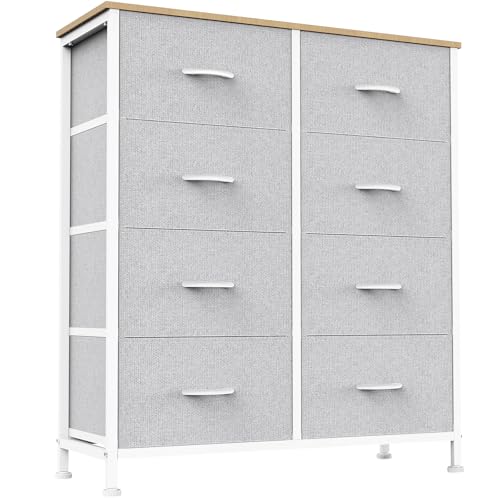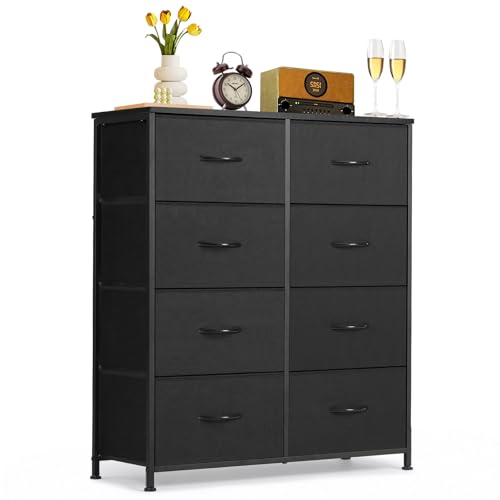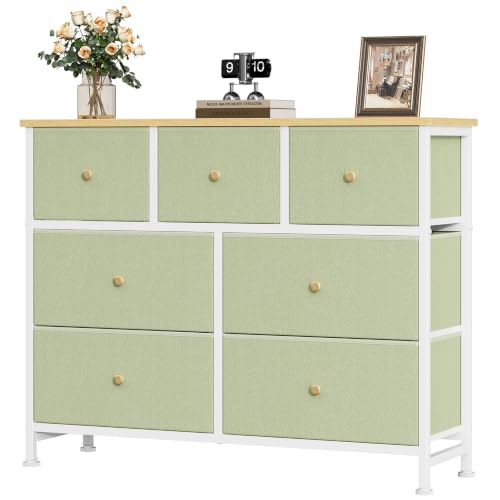
Lightweight Dresser Buying Guide
Easy-to-move, versatile storage solutions for apartments, dorm rooms, and anyone who loves to rearrange. Discover durable materials, smart designs, and the best lightweight dressers on the market.
Why choose a lightweight dresser? Whether you're a frequent mover, furnishing a small space, or just want the flexibility to rearrange your room, a lightweight dresser offers the perfect blend of portability and storage. But don't be fooled—lightweight doesn't have to mean flimsy. Modern materials and smart engineering deliver durable, stylish dressers that are a breeze to move.
What Makes a Dresser "Lightweight"?
A lightweight dresser is typically constructed from materials that reduce overall weight without sacrificing structural integrity. Common materials include engineered wood (like MDF or particleboard), bamboo, rattan, or even lightweight solid woods like pine. These dressers are designed to be easily carried, assembled, and repositioned, making them ideal for small spaces, apartments, or homes where furniture is frequently rearranged.
Unlike heavy solid oak or walnut dressers that can weigh over 100 pounds, a lightweight dresser often weighs between 40 and 70 pounds, making it manageable for one or two people to move. This doesn't mean you have to compromise on storage capacity—many lightweight designs offer 4, 5, or even 6 drawers with ample space for clothing and essentials.
Key Considerations When Buying a Lightweight Dresser
1. Material Matters
Engineered wood (MDF, particleboard) is the most common and affordable lightweight option. Look for high-density MDF for better durability. Bamboo and rattan are naturally lightweight, sustainable, and offer a unique aesthetic. Pine is the lightest solid wood option, but it's softer and more prone to dents.
For a balance of weight and durability, a hardwood dresser with a thinner construction can also be a good choice, though it will generally be heavier than MDF or bamboo options.
2. Drawer Construction
Lightweight dressers often use metal glides and thinner drawer bottoms. Ensure the drawers have metal ball-bearing glides for smooth operation and adequate weight capacity. Avoid flimsy plastic glides. Also, check the drawer joinery—dovetail or box joints are more durable than simple butt joints.
3. Size & Dimensions
Lightweight dressers come in all sizes. For tight spaces, a 24-inch wide dresser or a 30-inch dresser is a great fit. If you need more storage, consider a 36-inch wide dresser or a 40-wide dresser. Always measure your space and doorways before purchasing.
4. Assembly & Portability
Most lightweight dressers come flat-packed and require assembly. Look for models with clear instructions and included tools. The ease of disassembly is also a plus if you plan to move again. Some brands offer already-assembled dressers if you prefer to avoid the hassle, though these are often heavier.
Lightweight Dresser: Pros & Cons
✅ Pros
- Easy to move and reposition
- Ideal for apartments, dorms, and small homes
- Often more affordable than solid wood
- Available in a wide range of styles and finishes
- Eco-friendly options like bamboo and rattan
- Less risk of floor damage when moving
❌ Cons
- May not be as durable as heavy solid wood
- Can feel less premium or "solid"
- Engineered wood can be susceptible to moisture damage
- Limited weight capacity per drawer
- May need to be disassembled for very long moves
Who Is a Lightweight Dresser For?
Lightweight dressers are perfect for a variety of lifestyles and spaces. If you're a college student furnishing a dorm room, a lightweight dresser with 3 or 4 drawers offers functional storage without the burden of heavy furniture. For apartment dwellers who move frequently, these dressers are a lifesaver—easy to carry up stairs and fit into elevators. They're also excellent for guest rooms, nurseries (where you might want to rearrange often), and for anyone who simply enjoys changing their room layout periodically.
For a nursery, a white nursery dresser in a lightweight material is both practical and safe. In a living room, a lightweight accent dresser can be easily moved to refresh your decor. And if you're looking for a matching set, consider a grey dresser and nightstand set that combines style with portability.
Top Lightweight Materials Compared
Styling & Placement Ideas
One of the biggest advantages of a lightweight dresser is the freedom to experiment with layout. Place a white dresser with a wood top as a striking focal point in your bedroom, or use a rustic white dresser to add warmth to a farmhouse-style room. In a living room, a media dresser can serve as both a TV stand and storage unit—and it's easy to reposition if you change your entertainment setup.
For a cohesive look, pair your lightweight dresser with a dresser and nightstand set in a matching finish. If you're working with a dining room dresser or a bathroom dresser, choose a material that can withstand humidity—bamboo is an excellent choice here.
Caring for Your Lightweight Dresser
To ensure your lightweight dresser lasts for years, follow these simple care tips:
- Avoid moisture: Engineered wood and MDF can swell if exposed to water. Always use coasters and wipe up spills immediately.
- Handle with care: Despite being lightweight, these dressers can dent or scratch. Use felt pads under heavy items and lift, don't drag, when moving.
- Check hardware: Periodically tighten screws and check drawer glides to ensure smooth operation.
- Clean gently: Use a soft, dry cloth for dusting and a slightly damp cloth for stubborn dirt. Avoid harsh chemicals.
Final Thoughts: Is a Lightweight Dresser Right for You?
A lightweight dresser is an excellent choice if you value flexibility, ease of movement, and smart storage. It's a particularly smart investment for renters, students, or anyone who loves to refresh their home decor frequently. By choosing quality materials and paying attention to drawer construction, you can find a lightweight dresser that offers both durability and style.
Explore our curated selection of recommended lightweight dressers below. Whether you need a 3-drawer dresser nightstand for a small bedroom or a 60-inch wide dresser for a master suite, our top picks combine portability with exceptional storage. Happy decorating!