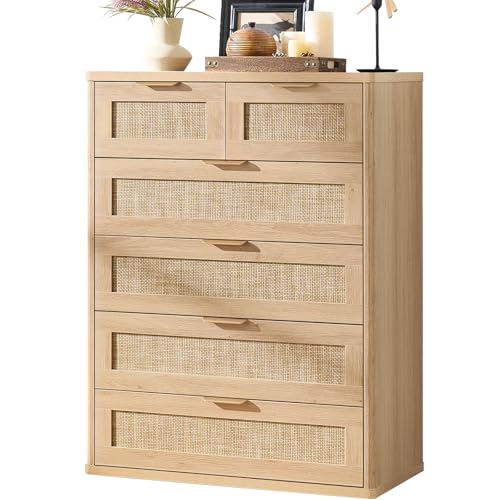
Wicker Dresser: The Complete Guide to Woven Bedroom Storage
Embrace natural texture and timeless charm. Learn everything you need to know about choosing, styling, and caring for a wicker dresser that transforms your bedroom into a warm, organized retreat.
Why a wicker dresser? Wicker furniture brings an organic, airy quality to any bedroom. Unlike solid wood pieces that can feel heavy, a woven dresser adds texture and visual lightness while providing practical drawer storage. Whether you are drawn to the breezy coastal look, a bohemian sanctuary, or a crisp modern space, a wicker dresser adapts beautifully to your design vision.
What Exactly Is a Wicker Dresser?
The term "wicker" refers to the weaving technique, not the material itself. A wicker dresser is crafted by weaving flexible plant fibers—such as rattan, willow, bamboo, reed, or seagrass—into a sturdy frame. This weaving method creates the distinctive textured surface that defines wicker furniture. The result is a dresser that offers a unique blend of rustic charm and functional storage.
Wicker dressers typically feature a solid wood or metal frame covered with woven panels, while some models incorporate woven drawer fronts attached to conventional drawer boxes. This construction gives you the visual appeal of natural fibers with the structural integrity needed for everyday use. If you are exploring woven storage options more broadly, our guide to a wicker chest of drawers covers complementary pieces that pair well with a dresser.
Key Materials Behind the Weave
Understanding the material used in a wicker dresser helps you evaluate durability, maintenance needs, and style. Here are the most common options:
Rattan
Rattan is one of the most durable natural weaving materials. Its solid core and flexibility allow for tight, resilient weaves. Rattan dressers are excellent for high-traffic bedrooms and hold their shape well over time.
Willow
Willow offers a softer, more rustic appearance. It is slightly less rigid than rattan but brings a charming, cottage-like character. Willow dressers work beautifully in farmhouse and traditional bedroom settings.
Seagrass
Seagrass has a natural greenish-brown tone and a smooth, tightly woven texture. It is strong and resistant to wear, making it a practical choice for a woven dresser that sees daily use.
Bamboo
Bamboo is technically a grass but is often grouped with wicker materials. It offers a clean, linear look and excellent strength. Bamboo dressers suit modern and transitional interiors particularly well.
Synthetic Wicker
Resin and polyethylene wicker mimic the look of natural fibers while offering enhanced weather resistance and easy cleaning. Synthetic wicker dressers are a smart choice for humid climates or households seeking low-maintenance furniture.
Paper Rope
Paper rope is an eco-friendly option that has gained popularity in contemporary furniture design. It is lightweight yet surprisingly strong when tightly woven, and it accepts dyes well for a range of color finishes.
Wicker Dresser Styles for Every Bedroom
A wicker dresser is not limited to a single aesthetic. The weave pattern, frame shape, and finish determine how the piece fits into your room. Consider these popular style directions:
Coastal and Beach Style
Whitewashed or natural rattan dressers with airy weaves capture the essence of coastal living. Pair with light linens and ocean-inspired accents for a serene, breezy bedroom atmosphere.
Bohemian and Global
Rich honey-toned seagrass or willow dressers with intricate weave patterns bring warmth and worldly character. Layer with textiles, plants, and artisanal accessories for a relaxed, curated look.
Modern and Minimalist
Sleek bamboo or synthetic wicker dressers with clean lines and simple hardware fit seamlessly into contemporary spaces. Choose neutral finishes and uncluttered drawer fronts.
Farmhouse and Cottage
Willow and rattan dressers with distressed or painted finishes complement rustic and farmhouse interiors. Look for charming details like woven drawer pulls or scalloped edges.
For a broader look at natural-fiber furniture beyond the bedroom, explore our collection of wicker dresser options to see how different weaves and finishes transform a space.
Wicker vs. Solid Wood Dressers: A Quick Comparison
Understanding how a wicker dresser differs from a traditional solid wood piece helps you decide which option aligns with your priorities. The table below outlines key considerations.
| Feature | Wicker Dresser | Solid Wood Dresser |
|---|---|---|
| Visual weight | Light and airy; adds texture | Substantial and grounding |
| Style range | Coastal, bohemian, cottage, modern | Traditional, transitional, modern, rustic |
| Maintenance | Regular dusting; occasional deep clean | Dusting and periodic polishing |
| Durability | Good to excellent depending on weave and material | Excellent; often heirloom quality |
| Weight | Generally lighter; easier to move | Heavier; requires more effort to relocate |
| Best for | Bedrooms seeking texture and a relaxed feel | Bedrooms prioritizing classic durability |
How to Choose the Right Wicker Dresser
Selecting a wicker dresser involves balancing size, weave quality, and the specific needs of your bedroom. Keep these practical points in mind as you evaluate options:
Measure Your Space First
Confirm the dresser's footprint against your available wall space, and account for drawer clearance. A narrow set of drawers for bedroom may suit tight layouts better than a wide piece.
Inspect the Weave
Tight, uniform weave patterns indicate careful craftsmanship. Run your hand across the surface—it should feel smooth without loose strands or sharp ends protruding.
Check the Frame
A solid wood or metal frame provides structural integrity. The woven panels should be securely attached and show no signs of separation at the edges.
Test the Drawers
Open and close each drawer. They should glide smoothly without wobbling. Dovetail joints or reinforced corner blocks signal durable drawer construction.
Consider Drawer Depth
Deep drawers accommodate bulky items like sweaters and linens, while shallow drawers suit accessories and folded tops. A dresser with large deep drawers offers generous capacity for family use.
Plan for Care
Natural wicker benefits from occasional cleaning with a soft brush and mild soap. Synthetic wicker is easier to wipe down, making it a practical pick for busy households.
Styling and Placement Ideas
A wicker dresser can anchor your bedroom design while offering practical storage. Here are a few placement and styling approaches to consider:
- Pair with a mirror: A woven dresser topped with a round or arched mirror creates a balanced, light-reflecting focal point.
- Layer with textiles: Soften the texture of the weave with a linen runner, a woven basket, or a trailing plant.
- Use as a nightstand alternative: A compact wicker dresser can double as bedside storage in smaller rooms.
- Coordinate with a bench: Place a dresser bench nearby for a cohesive, functional bedroom layout.
- Mix materials: Combine wicker with metal accents, glass, or painted wood to keep the look curated rather than themed.
Caring for Your Wicker Dresser
Proper maintenance keeps a wicker dresser looking its best for years. Follow these simple care guidelines:
- Dust regularly: Use a soft-bristled brush or a vacuum with a brush attachment to remove dust from the weave.
- Avoid excess moisture: Wipe spills promptly and keep the dresser away from humid areas unless it is made of synthetic wicker.
- Deep clean occasionally: Mix mild soap with water, apply with a damp cloth, and dry thoroughly with a towel. Avoid soaking the fibers.
- Protect from direct sunlight: Prolonged sun exposure can fade natural fibers. Position the dresser away from harsh windows or use sheer curtains.
- Address loose strands: Trim any loose ends with scissors rather than pulling them, which can unravel the weave.
Frequently Asked Questions
Is a wicker dresser durable enough for daily use?
Yes. High-quality wicker dressers made with rattan or tightly woven seagrass over a solid frame are durable and designed for everyday use. Inspect the weave and frame quality before purchasing to ensure longevity.
Can a wicker dresser be painted?
Natural wicker can be painted, though it requires proper preparation—cleaning, light sanding, and a primer suited to woven surfaces. Synthetic wicker is more difficult to paint and often best left in its original finish.
How do I keep a wicker dresser clean in a dusty bedroom?
Regular dusting with a soft brush or vacuum attachment prevents dust buildup in the weave. For deeper cleaning, use a damp cloth with mild soap and dry immediately.
Is wicker suitable for a child's bedroom?
Wicker dressers can work in children's rooms, but ensure the piece has a stable frame and smooth weave without sharp ends. Anchor the dresser to the wall for safety. For more options, explore our guide to children's dressers.
What pairs well with a wicker dresser?
Wicker dressers pair naturally with light wood furniture, white or neutral bedding, woven baskets, and plants. For a coordinated bedroom, consider a matching wicker chest of drawers or a complementary dresser and nightstand set.
Ready to Bring Natural Texture Into Your Bedroom?
A wicker dresser combines practical storage with an inviting, organic aesthetic. Explore our curated selection of woven dressers and find the piece that completes your bedroom vision.
Explore Wicker Dressers