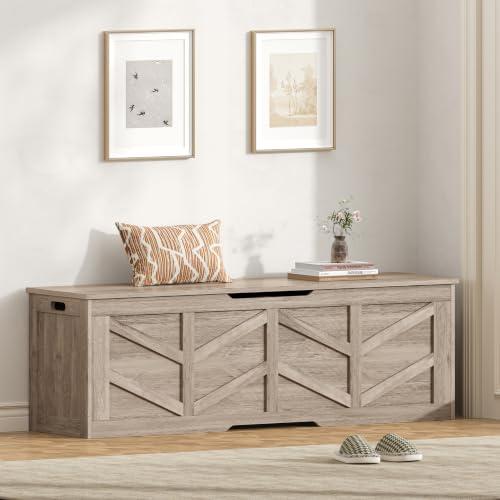
Living Room Chests: Where Storage Meets Style
Transform your living room with a chest of drawers that does more than hold things. Our complete guide covers sizing, materials, placement, and how to choose a piece that elevates your everyday space.
Start the GuideWhy a living room chest makes sense: A chest of drawers is no longer just bedroom furniture. In a living room, it becomes a concealed storage solution for blankets, board games, media, and table linens — while the top surface doubles as a display area or console. This guide helps you choose the right one with confidence.
What Makes a Chest of Drawers Right for a Living Room?
A living room chest must balance three priorities: storage capacity, visual presence, and traffic flow. Unlike a bedroom dresser that sits against a wall and serves one function, a living room chest often plays a dual role — part storage furniture, part accent piece. Visitors see it, so it needs to fit the room's design language while hiding everyday clutter.
Most living room chests fall between 30 and 40 inches tall. That height aligns with the back of a standard sofa, allowing the piece to serve as a console table behind seating. Width varies widely — narrower chests suit entryway nooks and compact apartments, while wider models work well along a long wall or beneath a window.
If you are still deciding between a traditional chest and a more versatile dresser-style piece, our comparison of living room dresser options explores how each format performs in an open living area.
Storage That Works for Living Room Life
Living room storage needs differ from bedroom storage. You are likely storing items you use in shared spaces: throw blankets, board games, remote controls, magazines, charging cables, craft supplies, or seasonal decor. That means drawer depth and configuration matter more than raw drawer count.
Key storage considerations
- Drawer depth: Shallow drawers (4–6 inches) suit media, remotes, and small accessories. Deeper drawers (8–10 inches) handle blankets and linens.
- Drawer glide quality: Living room drawers open more frequently than bedroom drawers. Look for metal ball-bearing slides or soft-close mechanisms, especially in mid-range and premium tiers.
- Interior height: If you plan to store photo albums or large books, measure the interior drawer height before committing.
- Anti-tip hardware: Essential for homes with children or pets. A chest with multiple open drawers can tip forward if not secured.
For more inspiration on how to style and organize the top surface, browse our living room dresser ideas collection, which covers decor, lighting, and display arrangements.
Choosing the Right Size for Your Space
Size is the most common source of buyer regret with living room chests. Too small, and the piece looks lost against a large wall. Too large, and it blocks walkways or overwhelms a compact seating area.
| Room Size | Recommended Chest Width | Best Placement |
|---|---|---|
| Small apartment / studio | 30–42 inches | Entryway nook, beside sofa, or corner |
| Medium living room | 42–56 inches | Behind sofa, along a wall, or under window |
| Large open-concept space | 56–72 inches | As a console behind seating or room divider |
Always leave at least 30 inches of clearance in front of the chest for drawer pull-out. If the chest sits behind a sofa, allow 3–6 inches of gap between the sofa back and the chest front so drawers can open without hitting the upholstery.
For homes with limited floor space, a long narrow dresser can provide generous storage without projecting far into the room — a practical alternative when a standard-depth chest would crowd the walkway.
Materials and Construction Quality
The material you choose determines how the chest ages in a high-traffic living area. Living rooms see more foot traffic, accidental spills, and sunlight exposure than bedrooms, so durability matters.
Solid wood
Solid hardwood — oak, maple, walnut, or mahogany — offers the most durable construction and can be refinished if scratched. It is the top-tier choice for longevity but carries a higher entry point in the market. Solid wood chests also tend to be heavier, which reduces tipping risk.
Our guide to large solid wood chest of drawers explains what to look for in joinery and finish quality.
Engineered wood with veneer
MDF or particleboard with a quality wood veneer offers a balanced tier option. Modern veneers resist warping and can mimic the look of solid wood convincingly. The key is the quality of the veneer bond — poorly bonded veneers peel at edges over time.
Metal and mixed materials
A metal chest — steel, aluminum, or powder-coated iron — suits industrial and modern interiors. Metal chests are typically lighter and resistant to humidity, making them a solid choice for coastal or humid climates.
For a softer, more textured look, a rattan dresser brings warmth and natural texture to a living room while remaining lightweight and visually airy.
Style and Finish: Matching Your Living Room
A living room chest should feel like it belongs in the room, not like a bedroom piece that wandered in. Consider the dominant style of your space before choosing a finish.
Modern and contemporary
Clean lines, minimal hardware, and flat-front drawers define modern living room chests. Lacquer finishes in white, gray, or black create a sleek, reflective surface that works in contemporary interiors.
Explore our lacquer dresser guide for finish durability tips, or browse large black dresser options for a bold, grounding presence in a bright room.
Traditional and transitional
Molded edges, decorative hardware, and warm wood tones define traditional chests. These pieces suit living rooms with classic upholstery, bookcases, and layered textiles.
Farmhouse and rustic
Distressed finishes, plank detailing, and cup pulls give farmhouse chests their character. A light wood dresser can soften a room with dark flooring, while a large wood dresser adds rustic warmth to an open-concept living area.
Placement Ideas for Every Living Room Layout
Where you place the chest affects both function and visual balance. Here are the most effective placements:
Behind the sofa
This is the most popular living room chest placement. A chest that is slightly taller than the sofa back creates a console surface for lamps, books, and decor while providing hidden storage for blankets and remotes. Keep the chest width within 6–12 inches of the sofa width for visual harmony.
Against a wall
A wall placement turns the chest into a focal accent. Hang art or a mirror above it and use the top surface for a lamp, plant, and a few curated objects. Avoid pushing the chest flush against a baseboard heater or direct sunlight if the finish is sensitive to heat or UV.
As a room divider
In open-concept spaces, a freestanding chest can define zones — separating a seating area from a dining or work zone. Choose a chest with a finished back if it will be visible from both sides.
In an entryway nook
A smaller chest near the entryway works as a drop zone for keys, mail, and small accessories. Pair it with a mirror and a tray to keep the surface organized.
For more layout inspiration, see our living room chests overview and the large dresser collection for scale reference.
Comparing Tiers: What to Expect at Each Level
Living room chests span a wide range of construction quality. The table below outlines what typically distinguishes each tier — without referencing specific figures.
| Tier | Typical Construction | Best For |
|---|---|---|
| Entry-level | Engineered wood, basic glides, laminate finish | Low-traffic living rooms, renters, temporary setups |
| Mid-range | Engineered wood with veneer, metal glides, soft-close options | Most family living rooms, daily use |
| Premium | Solid wood or high-grade veneer, ball-bearing slides, dovetail joinery | High-traffic homes, long-term investment |
| Luxury | Hardwood with hand-finished details, custom hardware, mortise-and-tenon joinery | Design-focused spaces, heirloom-quality pieces |
Mid-range models usually offer the best balance of durability and design flexibility for a living room. Entry-level chests can work in low-traffic areas, but check drawer glide quality — this is the first component to fail in daily-use furniture.
If you are furnishing a large space and need substantial capacity, a large capacity dresser in the premium tier often delivers better long-term performance than multiple smaller entry-level pieces.
Safety and Maintenance Essentials
Before you buy
- Check for anti-tip hardware or purchase a wall-anchoring kit
- Confirm drawer glide type (metal ball-bearing is more durable than plastic roller)
- Measure doorways and stairwells to ensure the chest fits during delivery
- Verify the finish is suitable for your climate (humidity-resistant for coastal areas)
After placement
- Anchor the chest to the wall if children or pets are present
- Dust weekly with a microfiber cloth to prevent finish buildup
- Avoid placing hot or wet items directly on wood surfaces
- Keep the chest out of direct sunlight to prevent fading