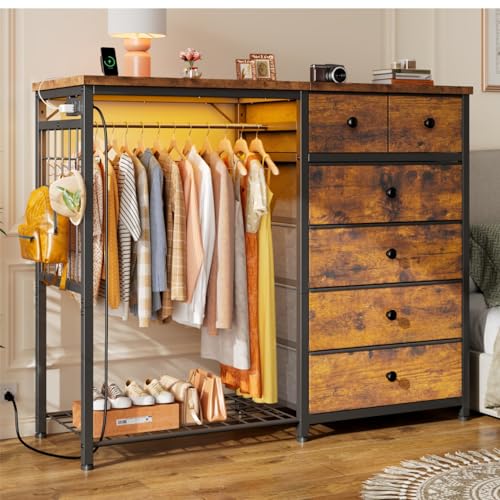
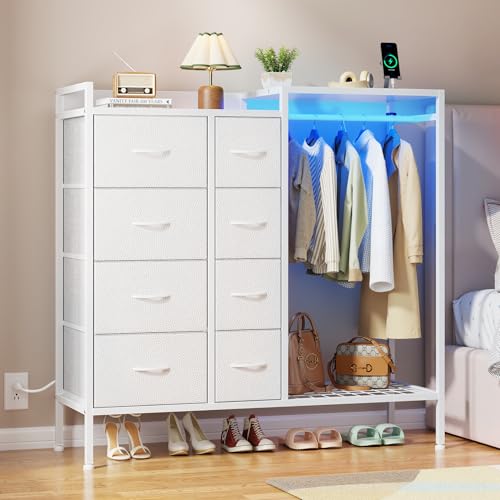
Dresser Closet Combo: Smart Storage for Small Bedrooms
Turn wasted closet space into a complete clothing system. Learn how to pair a dresser with your closet for a bedroom that stays organized and clutter-free.
EXPLORE COMBO OPTIONSWhy a dresser closet combo works: In compact bedrooms, floor space is precious and closets are often underused. A dresser closet combo solves both problems at once — it moves folding storage into the closet zone, frees up bedroom walls, and consolidates your clothing routine into one efficient area. This guide covers the main combo types, how to measure for a closet dresser, organization strategies, and what to look for before you choose.
What Is a Dresser Closet Combo?
A dresser closet combo is a storage setup that combines a dresser with closet space in one coordinated system. Instead of treating the dresser and the closet as separate zones, you integrate them: a compact dresser sits inside the closet, or a dresser is placed directly beside or beneath the closet opening so both work together as a single clothing station.
This approach is especially useful in small bedrooms, apartments, dorms, and guest rooms where a full-size dresser would crowd the floor. By using the vertical and hidden space a closet already provides, you gain drawer storage without sacrificing walking room or wall space.
There are two main interpretations of the term. The first is a dresser placed inside the closet — often a tall skinny dresser for closet layouts or a shallow dresser for small bedroom use. The second is a dresser positioned adjacent to the closet, creating a continuous storage wall. Both can work well depending on your room dimensions and how much hanging space you need to keep.
Quick tip: If your closet is deep enough (at least 22–24 inches of usable depth after the hanging rod), a slim dresser can often slide in beneath the hanging section. Measure the door swing and clearance first — that is where most combo plans fail.
Types of Dresser Closet Combos
Not every combo suits every room. The right choice depends on closet dimensions, door type, and how much hanging versus folding storage you need. Below are the most practical configurations.
1. Dresser Inside the Closet
This is the purest form of the combo: the dresser lives within the closet footprint, usually under a shortened hanging rod or in a dedicated drawer bay. It works best with walk-in closets or reach-in closets that are at least 24 inches deep. The advantage is that folding storage is hidden behind the closet door, keeping the bedroom visually calm. The trade-off is reduced hanging length, so this setup suits people who fold more than they hang.
A tall skinny dresser is often the best fit here because it uses vertical space without eating up the full closet width.
2. Dresser Beside the Closet
Here the dresser sits immediately next to the closet opening, forming a continuous storage wall. This is the easiest combo to implement because it requires no closet modification. It suits reach-in closets where interior space is already tight. The dresser becomes an extension of the closet, and you can use the dresser top as a folding station or for accessories.
For narrow gaps between the closet and the wall, a narrow set of drawers for bedroom can slot in neatly without blocking the door.
3. Closet-Adjacent Low Dresser
A low-profile dresser placed under a window or beside the closet keeps sightlines open and doubles as a surface for baskets or a mirror. This works well in rooms where a tall dresser would feel oppressive. A low profile dresser is a natural fit for this configuration, especially when paired with overhead closet shelving.
4. Open Closet with Cube or Storage Dresser
If you have an open or curtained closet, a cube-style or storage-forward dresser can act as the drawer component of the closet system. A cube storage dresser blends open shelving with drawers, which suits mixed storage needs — folded clothes in drawers, baskets and shoes in the cubbies.
5. Combo for Nursery and Children's Rooms
In nurseries, the combo often pairs a dresser with a closet that holds baby clothes, blankets, and supplies. A nursery dresser placed beside or inside the closet keeps the changing and dressing routine in one zone. For growing children, a children's dresser that fits inside a closet can extend the room's usable life as toys and clothes accumulate.
Comparison at a glance: Inside-closet combos maximize hidden storage but reduce hanging space. Beside-closet combos preserve hanging space but use bedroom floor area. Choose based on whether you fold more than you hang.
How to Measure for a Closet Dresser
Measurement is the step that determines whether a combo works or becomes a return. Before you shop, record these dimensions accurately.
Closet Dimensions
- Interior width: Measure wall to wall at the floor and at drawer height — walls are not always plumb.
- Interior depth: Measure from the back wall to the front frame. Subtract the thickness of the closet door if it opens inward.
- Usable height: Measure from floor to the underside of any shelf or hanging rod you plan to keep.
- Door clearance: Note the door swing radius and whether the door is hinged, sliding, or bi-fold. A bi-fold door can block a dresser placed too close to the opening.
Dresser Dimensions
- Depth: The single most important number. A closet dresser should leave at least 1–2 inches of clearance behind and in front for airflow and door movement.
- Width: Leave a few inches on each side so drawers can open fully without scraping the closet frame.
- Height: Confirm the top of the dresser clears any shelf or rod you are keeping.
- Drawer extension: Measure how far drawers pull out. A deep drawer that extends beyond the closet opening may be awkward to use.
Room Clearance
If the dresser sits beside the closet, leave at least 30 inches of walking clearance in front of both. In tight rooms, a shallow-depth dresser for small spaces can make the difference between a cramped corner and a usable one.
| Combo Type | Best For | Typical Tier | Space Trade-off |
|---|---|---|---|
| Dresser inside closet | Walk-in or deep reach-in closets | Essential to mid-tier | Reduces hanging length |
| Dresser beside closet | Reach-in closets, small bedrooms | Starter to balanced tier | Uses bedroom floor area |
| Low-profile combo | Rooms with windows or low ceilings | Mid-range | Less vertical storage |
| Cube/storage combo | Open closets, mixed storage | Entry-level to mid-tier | Exposed contents |
| Nursery combo | Baby and children's rooms | Mid-tier to premium | Safety anchoring required |
Key Features to Look For
Once sizing is settled, evaluate construction and usability. These are the features that separate a combo that lasts from one that frustrates.
Drawer Glides and Extension
Full-extension ball-bearing glides let you reach the back of each drawer, which matters in a closet where you cannot step around the unit. Mid-range and premium combos typically offer smoother, quieter glides than entry-level models. If the dresser will sit inside a closet, full-extension drawers are close to essential.
Material and Finish
Solid wood and high-grade engineered wood both work, but consider humidity. Closets can be less ventilated than bedrooms, so a sealed finish helps. For a natural look that pairs well with closet shelving, a natural oak dresser or a solid pine dresser are durable, widely available choices. If you want a lighter footprint and easier movement, a lightweight dresser can be repositioned as your closet layout changes.
Safety Anchoring
Any dresser in a closet or beside one should be anchored to a wall stud, especially in homes with children. Check that the unit includes an anti-tip kit or that the manufacturer recommends one. This is non-negotiable for nursery combos.
Drawer Count and Layout
Match the layout to what you fold. A six drawer dresser gives a balanced mix of shallow and deep drawers. If you need more capacity in a narrow footprint, a solid wood 9 drawer dresser can work as a closet anchor, provided the closet is wide enough. For accessories, a dresser with hidden jewelry drawer keeps small items secure and out of the way.
Hardware and Accessibility
In a closet, knobs can catch on clothing. Low-profile pulls or recessed handles reduce snagging. If you plan to update hardware later, check that the drawer fronts accept standard pull spacing — see our notes on pull handles for dresser drawers for guidance.
Tier Guidance
Use consistent tier descriptors rather than numbers when comparing options. Entry-level combos are usually adequate for guest rooms and light use. Mid-range models typically add full-extension glides and sturdier joinery. Premium and luxury tiers focus on solid-wood construction, soft-close mechanisms, and finer finishes. For a structured framework, see the dresser budget guide and the broader dresser buying guide.
Organization Strategies That Work
A combo only delivers its full benefit when the contents are organized around how you actually get dressed. These strategies are proven for closet-dresser setups.
Zone by Frequency, Not Category
Place the items you wear most often in the dresser drawers at eye level and in the closet section you reach first. Seasonal or occasional items go higher or deeper. This reduces rummaging and keeps the combo functional day to day.
Use Drawer Dividers
Dividers keep folded stacks upright and make deep drawers usable. They are especially helpful in closet dressers where you cannot easily step back to see the drawer's full contents. Pair dividers with a consistent folding method so the layout holds.
Keep Hanging and Folding Complementary
Decide which categories hang and which fold. Shirts, dresses, and jackets usually hang; jeans, sweaters, and loungewear fold. If the combo reduces hanging space, shift more categories to folding and reserve hanging length for items that crease.
Manage the Top Surface
If the dresser top is exposed, keep it clear or use it as a deliberate folding station. Baskets for accessories or a small mirror can make the surface work harder without becoming a clutter catch-all. Avoid stacking loose items on top inside a closet — they block drawer access.
Rotate Seasonally
Use the closet's upper shelves for off-season clothing and keep the dresser dedicated to the current season. This keeps drawer contents relevant and prevents overflow. A labeled bin system makes rotation quick.
Organization reminder: The goal of a combo is fewer steps, not more storage for its own sake. If a drawer is not earning its space, repurpose it for linens, accessories, or paperwork rather than letting it become a junk drawer.
Common Mistakes to Avoid
- Buying before measuring door clearance. A dresser that fits the closet interior can still be blocked by a swinging or bi-fold door. Measure the swing path first.
- Choosing drawers that do not fully extend. In a closet, partial-extension drawers make the back half of each drawer hard to reach and easy to forget.
- Ignoring ventilation. Closets trap moisture. Choose a sealed finish and leave a small gap behind the dresser to reduce mustiness.
- Skipping the anti-tip kit. Tall and narrow dressers are more prone to tipping. Anchor every unit, especially in homes with children or pets.
- Overloading hanging space. If the combo cuts hanging length, do not cram the remaining rod. Overloaded rods bend and damage clothing.
- Mismatching the finish. If the dresser sits beside open closet shelving, choose a finish that reads as part of the same system rather than a random addition.
- Forgetting the top surface. A dresser that is too tall to use its top inside the closet wastes a useful folding or accessory zone.
For related layouts and storage pairings, explore our guides on short chest of drawers for closet and tall skinny dresser options. If you are also updating the closet structure itself, our notes on white cabinet with sliding doors cover a space-saving door style that pairs well with a combo.
Frequently Asked Questions
What is a dresser closet combo?
A dresser closet combo is a storage arrangement that pairs a dresser with closet space, either by placing a compact dresser inside the closet or by using a closet-adjacent dresser to extend storage capacity. It is ideal for small bedrooms where floor space is limited.
What size dresser fits inside a closet?
A tall skinny dresser or shallow-depth dresser typically fits best inside a closet. Measure the closet depth, width, and door clearance before choosing. Narrow units with a depth under 18 inches are usually the safest fit for standard closets.
Is a dresser inside a closet a good idea?
Yes, for many small bedrooms. A dresser inside a closet frees up bedroom floor space, keeps clothing organized in one zone, and reduces visual clutter. The trade-off is that closet space for hanging clothes shrinks, so balance is key.
Should a closet dresser be anchored to the wall?
Yes. Any dresser, especially a tall or narrow one, should be anchored to a wall stud using an anti-tip kit. This is a safety requirement in homes with children and a sensible precaution everywhere else.
Can I use a regular dresser inside a closet?
Often yes, if the closet is deep enough and the dresser has full-extension drawers. Standard dressers may be too deep for reach-in closets, so measure carefully and consider a shallow-depth model if clearance is tight.
Final Thoughts
A dresser closet combo is one of the most practical storage upgrades for a small bedroom. It turns an underused closet into a complete clothing system and keeps the bedroom floor clear. Start with accurate measurements, choose a combo type that matches your fold-versus-hang ratio, and prioritize full-extension drawers and safety anchoring.
Once the unit is in place, organize by frequency and rotate seasonally to keep the system working. For more buying context, revisit our complete dresser buying guide, or compare specific formats like the chest of drawers with shelves and storage dresser if you need mixed open and closed storage.