
Glass Dressers: Complete Buying Guide & Style Ideas
Discover how glass dressers combine modern aesthetics with practical bedroom storage. Learn about glass types, frame construction, durability, styling, and how to choose the right glass dresser for your space.
Explore Glass Dresser StylesWhy consider a glass dresser? Glass dressers bring a light, reflective quality that makes bedrooms feel more open and contemporary. Whether you prefer a glass-top dresser that protects a wood frame, a glass-front dresser with visible drawers, or a fully mirrored design, understanding the construction and materials is essential before you buy. This guide covers everything you need to make a confident, well-informed decision.
What Exactly Is a Glass Dresser?
A glass dresser is a bedroom storage piece that incorporates glass as a primary visual or structural element. This can mean a glass top surface, glass drawer fronts, glass side panels, or a combination of these. The frame is typically made from solid wood, engineered wood, or metal, while the glass panels provide a sleek, reflective finish that distinguishes the piece from traditional all-wood dressers.
Glass dressers are especially popular in modern, minimalist, and contemporary bedroom designs because they reduce visual bulk and reflect natural light. They also pair well with mirrored accents and metallic hardware. However, the quality of the glass and the frame construction vary significantly across market tiers, so it pays to know what to look for.
Types of Glass Dressers
Glass-Top Dressers
A glass panel set into the top surface of the dresser. This protects the frame from scratches, spills, and daily wear while adding a clean, polished look. Glass-top dressers are practical for bedrooms where the dresser doubles as a display or vanity surface.
Glass-Front Dressers
Drawer fronts made from glass, often with a mirrored backing or a visible interior. These create a striking, display-oriented aesthetic and work well in contemporary and glam-style bedrooms. Some models use frosted or tinted glass for a softer look.
Mirrored Glass Dressers
Fully mirrored panels on the drawer fronts and sometimes the sides. Mirrored glass dressers amplify light and make small bedrooms feel larger. They are a signature piece in Hollywood Regency and modern glam interiors.
Glass and Metal Dressers
A metal frame combined with glass shelves or drawer fronts. These are often more industrial or minimalist in style, with a lighter visual footprint. Metal frames can be very durable when powder-coated or rust-proof finished.
Glass and Wood Dressers
The most common combination: a solid wood or engineered wood frame with glass inserts. This balances warmth and durability with the reflective qualities of glass. Look for tempered glass in mid-range and premium models.
Glass Display Dressers
Dressers with glass doors or glass side panels designed to display items as well as store clothing. These blur the line between a dresser and a display cabinet and suit bedrooms with a curated, gallery-like aesthetic.
Glass Types and Durability: What to Look For
Not all glass is created equal. The type and thickness of the glass directly affect safety, durability, and long-term appearance. Here is how the main glass types compare:
| Glass Type | Best For | Key Characteristics |
|---|---|---|
| Tempered Glass | Entry-level to mid-range dressers | Heat-treated for extra strength; breaks into small blunt pieces rather than sharp shards. The standard choice for glass tops and drawer fronts. |
| Tempered-Laminated Glass | Premium and high-end tier dressers | Two layers of tempered glass bonded with a plastic interlayer. Holds together if broken, offering superior safety and sound dampening. |
| Annealed Glass | Decorative or low-traffic applications | Standard glass that is easier to scratch and breaks into sharp fragments. Generally avoided for dresser tops and drawer fronts in quality furniture. |
| Frosted or Etched Glass | Glass-front and display dressers | Provides privacy while still letting light through. Often tempered as well, combining aesthetics with safety. |
| Mirrored Glass | Glam and contemporary dressers | Reflective coating on the back of the glass. Adds brightness and visual space. Quality varies; premium mirrors resist desilvering over time. |
When evaluating a glass dresser, check the manufacturer's specifications for glass thickness and tempering. Mid-range models typically use thicker tempered glass than entry-level pieces, which translates to better resistance to impact and thermal stress. Premium and luxury models often specify tempered-laminated glass for top surfaces, providing an extra margin of safety in family homes.
Frame Construction: The Backbone of a Glass Dresser
The frame determines how stable and long-lasting a glass dresser will be. Glass panels need even support and precise mounting, so the frame quality matters even more than it does on an all-wood dresser. Here are the main frame materials you will encounter:
Solid Wood Frames
Durable and repairable, solid wood frames hold glass panels securely and can be refinished. Oak, walnut, and maple are common choices in mid-range and premium glass dressers. Solid wood is a worthwhile investment for long-term use.
Engineered Wood Frames
MDF or particleboard with a veneer or laminate finish. These are common in entry-level and mid-tier glass dressers. Look for reinforced corners and quality hardware, as engineered wood is less forgiving if glass panels are over-tightened.
Metal Frames
Steel or aluminum frames with powder-coated or rust-proof finishes. Metal frames are strong, slim, and well-suited to industrial and minimalist styles. Check for reinforced joints and quality drawer slides.
Mixed-Material Frames
Wood frames with metal accents or glass panels set in metal channels. These offer design flexibility and can be very durable when the materials are well-matched and the assembly is precise.
Drawer Slides and Hardware
Glass-front dressers put the drawer mechanism on display, so hardware quality is both a functional and visual consideration. Entry-level glass dressers often use basic side-mounted slides, while mid-range models typically upgrade to ball-bearing slides for smoother operation. Premium and top-tier dressers frequently feature soft-close undermount slides that reduce noise and protect the glass from impact stress. When comparing options, look for drawer slides rated for the weight the drawer will carry, and check that the glass panels are seated with protective gaskets or edge trim.
Glass Dresser Buying Checklist
Before you decide, confirm these points:
- Glass type: Confirm tempered or tempered-laminated glass for tops and drawer fronts.
- Frame material: Solid wood or reinforced engineered wood for stability; metal frames should have rust-proof finishes.
- Edge treatment: Polished or beveled edges reduce the risk of chipping and look more refined.
- Drawer slides: Ball-bearing or soft-close undermount slides for smoother, quieter operation.
- Assembly hardware: Glass panels should sit in protective channels or gaskets, never directly against hard fasteners.
- Stability features: Anti-tip hardware is essential, especially for taller glass dressers.
- Cleaning requirements: Check whether the glass has a protective coating that limits which cleaners you can use.
- Room fit: Measure your space and consider how reflective glass will interact with windows and lighting.
Styling Ideas for Glass Dressers
Glass dressers are natural focal points. Their reflective surfaces bounce light around the room and pair beautifully with both warm and cool color palettes. In a modern bedroom, a glass-top dresser with slim metal legs creates an airy, uncluttered look. For a glam aesthetic, a mirrored glass dresser paired with metallic hardware and a plush bench makes a striking statement. In smaller bedrooms, a glass-front dresser with frosted panels adds storage without adding visual weight, while a glass-top dresser protects a light wood frame from daily wear.
Consider how the glass will reflect your lighting. A dresser placed opposite a window will reflect daylight and brighten the room, while one placed near a lamp will create warm highlights in the evening. Keep the top surface styled simply—a tray, a small plant, or a mirror—so the glass remains the hero. If you want to explore complementary pieces, browse our guides to the glass dresser and glass-top dresser styles for more inspiration.
Frequently Asked Questions
Are glass dressers durable enough for everyday bedroom use?
Yes, when built with tempered or tempered-laminated glass. Tempered glass is significantly stronger than standard glass and is designed to crumble into small, blunt pieces rather than sharp shards if it ever breaks. Mid-range and premium glass dressers typically use tempered glass for tops and drawer fronts, while entry-level models may use thinner glass that is better suited to light use.
How do I clean and maintain a glass dresser?
Use a soft microfiber cloth and a streak-free glass cleaner for glass surfaces. Avoid abrasive pads, ammonia-heavy cleaners on coated glass, and excessive moisture around the frame joints. Wipe spills promptly and dust the frame weekly to keep the finish looking fresh.
What is the difference between a glass-top dresser and a glass-front dresser?
A glass-top dresser has a glass panel set into the top surface, which protects the frame from scratches and gives a sleek look. A glass-front dresser uses glass panels on the drawer fronts themselves, often with a visible interior or mirrored backing, for a more decorative, display-oriented aesthetic. Some models combine both.
Can glass dressers work in small bedrooms?
Absolutely. Glass surfaces reflect light and visually open up compact rooms, making them feel larger and brighter. A narrow or small glass dresser paired with a mirror is an effective way to add storage without adding visual weight.
Do glass dressers require special hardware or assembly care?
Glass panels need even support and should never be over-tightened at the mounting points. Follow the manufacturer's assembly instructions carefully, use the included hardware, and avoid placing heavy concentrated loads on unsupported glass areas. Professional-grade models often include reinforced brackets and edge protection.
Related Glass Dresser Guides
Ready to Choose Your Glass Dresser?
Explore our curated selection of glass dressers and glass-top storage pieces below. Each option is chosen for build quality, safety, and style—so you can find the right match for your bedroom with confidence.
View Recommended Glass DressersRecommended Glass Dressers and Storage
⚠️ AFFILIATE DISCLOSURE: This website contains affiliate links. As an Amazon Associate, we earn from qualifying purchases. If you make a purchase through these links, we may receive a small commission at no additional cost to you. Read our full affiliate policy.
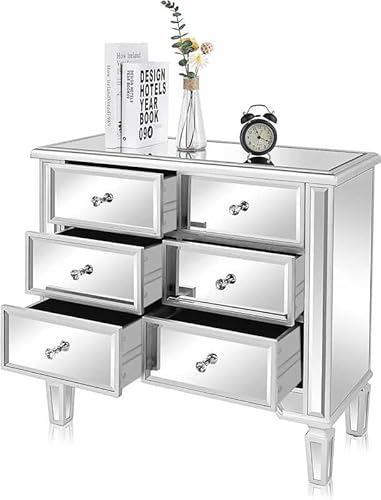
VINGLI Mirrored Dresser for Bedroom with 6 Storage Drawer Modern Chest of Drawers, Silver, 32”L x 12”W x 28”H
Check price on Amazon
AMERLIFE 47.2" W 8-Drawer Dresser with Glass Top, High Gloss, Cream & Grey | Wide Dresser, 2 Jewelry Drawers, LED Lighting, Spacious Storage Chest, Bedroom Organizer
Check price on Amazon
AMERLIFE 47.2" W 8-Drawer Dresser with Glass Top, High Gloss, White | Wide Dresser, 2 Jewelry Drawers, LED Lighting, Spacious Storage Chest, Bedroom Organizer
Check price on Amazon
LIVAUVEAD Closet Island with 12 Drawers, Glass Top & Display Shelves, White | Wardrobe Armoire Bedroom Island, White Dresser with Glass Display Shelf, Walk-in Closet Island for Bedroom, Cloakroom
Check price on AmazonDisclaimer
The information provided on DresserAdvisor is for educational and informational purposes only. We are not furniture professionals, and our content should not replace professional advice from qualified furniture makers, interior designers, or safety experts. Some content may use AI assistance. Always check product safety standards and certifications before purchasing. If you do not agree, please do not use this website. Read the full disclaimer.