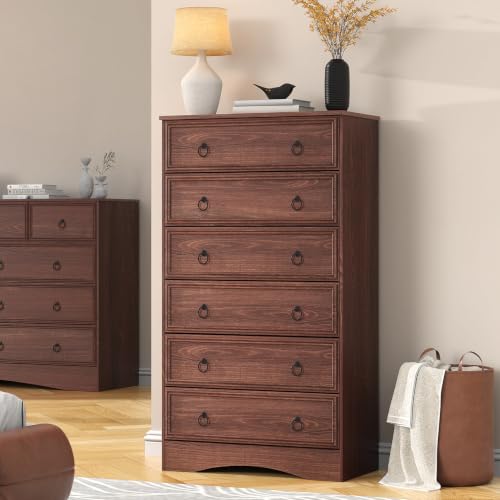
Narrow Wooden Chest of Drawers: The Smart Storage Solution for Tight Spaces
Everything you need to know before choosing a slim wooden chest — dimensions, materials, drawer layouts, and practical tips for small bedrooms, hallways, and compact apartments.
A narrow wooden chest of drawers is one of the most useful pieces of furniture in a compact home. When floor space is at a premium, a slim wooden chest delivers vertical storage without crowding walkways or blocking doors. This guide walks you through what makes a narrow wooden chest worth considering, how to measure your space correctly, and which materials and drawer configurations hold up best over time.
Why Choose a Narrow Wooden Chest of Drawers?
Standard dressers often measure 30 inches or more in width, which can overwhelm a small bedroom or leave a hallway feeling cramped. A narrow wooden chest of drawers typically runs 12 to 24 inches wide while still offering three to five usable drawers. That footprint makes it a practical choice in several situations:
Small bedrooms
A slim wooden chest fits between the bed and the wall or beside a closet door without blocking circulation.
Hallways and entryways
A narrow chest works as a console with hidden storage for gloves, keys, and everyday essentials.
Closets and dressing areas
A tall skinny dresser maximizes vertical space inside a walk-in closet or a dressing nook.
Apartments and dorm rooms
Compact wooden chests provide real storage without taking over a shared or rented room.
Standard Dimensions to Know Before You Shop
Measurements matter more than any other factor when shopping for a narrow wooden chest of drawers. Use the table below as a starting reference, then verify the exact figures on each product listing.
| Category | Typical Width | Best For |
|---|---|---|
| Ultra-narrow chest | 12–16 inches | Hallway nooks, bathroom alcoves, closet walls |
| Narrow chest | 16–24 inches | Small bedrooms, entryways, home offices |
| Standard dresser | 30–48 inches | Primary bedrooms with more floor space |
| Wide dresser | 48 inches and above | Large bedrooms, shared storage, guest rooms |
Depth is equally important. A narrow wooden chest usually runs 14 to 18 inches deep, compared with 18 to 20 inches for a standard dresser. Always leave at least 24 inches of clearance in front of the drawers so they can open fully. If you need an even more compact profile, look at shallow-depth dressers for small spaces or a narrow set of drawers for the bedroom.
Wood Types and What They Mean for Durability
The material of a wooden chest of drawers affects weight, stability, and how well the piece ages. Here is how the main options compare:
- Solid oak and walnut: Heavy, stable, and able to be refinished. These are long-term investments that hold up to daily use. See our guide to a natural oak dresser and walnut wood dresser for style ideas.
- Solid pine: Lighter and softer than oak, but easy to paint or stain. A solid pine dresser is a solid choice for a starter tier or children's room.
- Engineered wood with wood veneer: More stable in humid rooms and often lighter. Quality varies widely, so check the drawer box construction and hardware before choosing.
- Unfinished wood: An unfinished dresser lets you match a custom finish, but requires sealing to protect against moisture.
Whichever wood you choose, inspect the drawer joints. Dovetail joints are the strongest and indicate a higher-quality build. Stapled or glued joints are common at the entry-level tier and are acceptable for lighter use.
Drawer Configurations: How Many Is Enough?
Narrow chests make up for their slim width with height. A tall skinny dresser can stack five or more drawers, while a low narrow chest uses three deeper drawers. Consider what you will store before deciding:
- Three drawers: Best for folded clothing, linens, or a mix of clothing and accessories. A low profile keeps the top surface usable as a display area.
- Four drawers: A balanced configuration for a small bedroom. Often pairs a deeper bottom drawer with three shallower ones above.
- Five or more drawers: Ideal for a tall skinny dresser in a closet or hallway, where organization by category matters more than drawer depth.
If your priority is storing bulky items, look for a dresser with large deep drawers. If you need to store small accessories, a model with a hidden jewelry drawer adds useful function without extra width.
Style Options for a Narrow Wooden Chest
A narrow wooden chest of drawers is available in nearly every design language. Matching the style to your existing room makes the piece feel intentional rather than squeezed in:
- Mid-century modern: Clean lines, tapered legs, and warm wood tones. A mid-century modern 4-drawer dresser is a strong starting point.
- Shaker style: Simple framed panels and straightforward proportions. A Shaker style dresser suits both traditional and modern rooms.
- Painted and distressed finishes: A narrow white dresser brightens a dark corner, while a distressed dresser adds character to a rustic or farmhouse space.
- Natural and light wood: A light wood chest of drawers keeps a small room feeling open and airy.
Where a Narrow Wooden Chest Works Best
Because narrow wooden chests are so space-efficient, they work in more rooms than a standard dresser:
- Bedrooms: Place one beside the bed as a compact storage and display surface, or pair it with a dresser and nightstand set for a coordinated look.
- Nurseries and children's rooms: A nursery dresser with a narrow footprint leaves room for a crib and a chair. Use wall anchors for safety.
- Closets: A tall skinny dresser for closet adds drawer storage without eating up hanging space.
- Home offices: A small chest of drawers for office use keeps files and supplies organized.
- Bathrooms: A wooden chest in a bathroom should be sealed against moisture; a dresser cabinet with doors offers extra protection.
Practical Buying Checklist
Before you commit to a narrow wooden chest of drawers, run through this checklist:
- Measure the exact width, height, and depth of your available space, including door swing and baseboard clearance.
- Check that the drawers open fully without hitting the bed, a wall, or a doorway.
- Confirm the drawer boxes use sturdy joints and smooth glides.
- Look for wall-anchoring hardware, especially for tall narrow chests in homes with children.
- Consider whether the finish is sealed or requires ongoing maintenance.
- Decide whether a matching set matters — a solid wood bedroom dresser set creates a unified look.
Ready to Compare Narrow Wooden Chests?
Browse our curated selection of space-saving wooden chests of drawers, filtered for compact footprints and practical drawer layouts.
Explore OptionsFrequently Asked Questions
What width counts as a narrow wooden chest of drawers?
A narrow wooden chest of drawers generally measures 12 to 24 inches in width. Pieces under 18 inches are ideal for hallway nooks and tight closet walls, while 18 to 24 inches suits most small bedrooms.
How many drawers should a narrow wooden chest have?
Most narrow wooden chests offer three to five drawers. A tall skinny dresser may stack five or more shallow drawers, while a low narrow chest typically uses three deeper drawers for bulkier items.
Is solid wood better than engineered wood for a narrow chest?
Solid wood offers greater durability and can be refinished over time. Engineered wood is more stable in humid rooms and often lighter. For a long-term investment, solid wood or a solid wood frame with engineered panels is a solid choice.
Can a narrow wooden chest of drawers be used outside the bedroom?
Yes. Narrow wooden chests work well in hallways, entryways, bathrooms, home offices, and dorm rooms where floor space is limited but storage is still needed.