Mid Century Modern 4 Drawer Dresser: The Complete Buying Guide
Clean lines, tapered legs, and smart storage — discover why a mid century modern 4 drawer dresser remains one of the most versatile and timeless bedroom furniture pieces.
JUMP TO BUYING CHECKLISTWhat You'll Learn on This Page
- What Defines a Mid Century Modern 4 Drawer Dresser
- Design Elements & Signature Features
- Materials, Finishes & Construction Quality
- Size, Space Planning & Room Fit
- Storage Capacity & Drawer Configuration
- Styling & Decorating Ideas
- Comparison: 4 Drawer vs Other Configurations
- Buying Checklist
- Frequently Asked Questions
What Is a Mid Century Modern 4 Drawer Dresser?
A mid century modern 4 drawer dresser is a storage piece rooted in the design philosophy of the mid-20th century — roughly the 1940s through the 1960s. This movement prioritized functionality, clean lines, and organic forms, rejecting the heavy ornamentation of earlier eras. The result is a dresser that feels both retro and remarkably current.
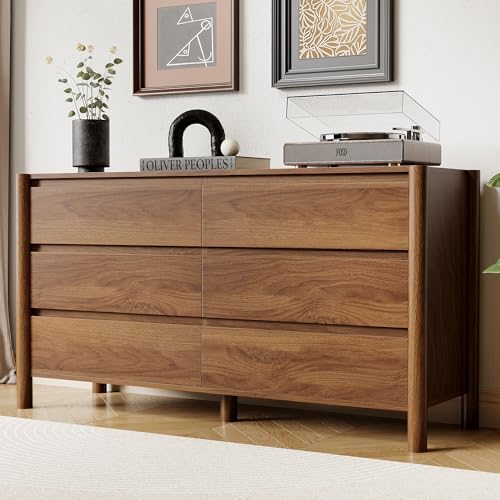
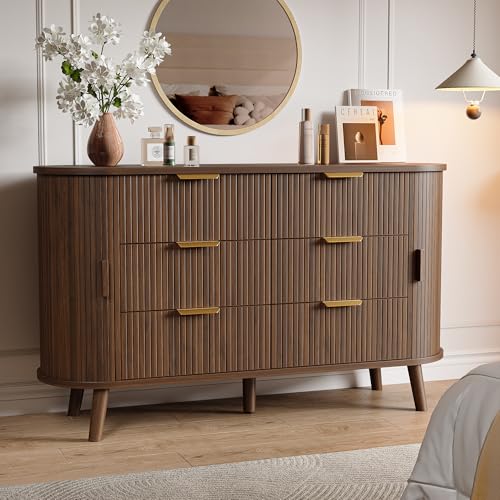
Unlike a traditional chest of drawers, a mid century modern 4 drawer dresser typically features a lower, wider profile with tapered legs, minimal hardware, and a balanced asymmetry or geometric rhythm across its drawer fronts. The four-drawer configuration is a sweet spot: it offers generous storage without overwhelming a room, making it ideal for primary bedrooms, guest rooms, and even living areas that need concealed storage.
Whether you are furnishing a compact apartment or refreshing a spacious master suite, this piece adapts. Its compact footprint and elevated stance create a sense of openness — a hallmark of mid century design that still resonates with modern homeowners. If you are exploring broader options, our mid century dresser and nightstand set guide can help you coordinate a cohesive bedroom.
Design Elements & Signature Features
Authentic mid century modern furniture is recognizable at a glance. When evaluating a 4 drawer dresser, look for these defining characteristics:
Tapered Legs
Angled, slender legs that lift the dresser off the floor — often in wood or metal — creating visual lightness.
Clean Lines
Straight edges, flat fronts, and uncluttered surfaces. Decorative molding is minimal to nonexistent.
Minimal Hardware
Recessed pulls, integrated handles, or simple round knobs. Some designs use no visible hardware at all.
Geometric Balance
Drawer fronts may feature subtle asymmetry, varying widths, or contrasting wood grain patterns.
Natural Wood Tones
Walnut, teak, oak, and cherry are common. Finishes highlight grain rather than conceal it.
Functional Simplicity
Every element serves a purpose. Form follows function, with smooth glides and accessible storage.
These design cues are not just aesthetic — they contribute to the piece's longevity. A well-proportioned dresser with quality joinery can remain a focal point for decades. If you prefer a taller silhouette, explore our mid century 6 drawer dresser guide for additional storage without sacrificing style.
Materials, Finishes & Construction Quality
The material composition of a mid century modern 4 drawer dresser directly affects its durability, visual warmth, and long-term performance. Here is what to consider:
Solid Wood vs. Veneer
Solid wood — particularly walnut, teak, and oak — is the gold standard for mid century pieces. It ages gracefully, can be refinished, and carries natural variation that adds character. High-grade veneers over engineered wood are also common and, when applied correctly, offer excellent stability and a uniform appearance. For a deeper dive into wood types, see our walnut wood dresser overview.
Joinery & Drawer Glides
Quality construction reveals itself in the details. Look for dovetail or box joints on drawer boxes, solid wood drawer sides, and smooth-gliding mechanisms. Entry-level models may use stapled or glued joints with basic side-mounted glides, while mid-range and premium tiers typically feature metal ball-bearing glides or wooden center guides that operate quietly and resist sagging over time.
Finish Options
Mid century finishes range from matte oil-rubbed looks to satin lacquers. Natural wood tones dominate, but painted finishes — particularly white, black, and muted earth tones — have become popular in contemporary interpretations. Whichever finish you choose, verify that it is low-VOC and suitable for indoor furniture.
If you are interested in hardware upgrades or replacements, our guide to mid century cabinet pulls can help you match authentic period details.
Size, Space Planning & Room Fit
One of the practical advantages of a 4 drawer dresser is its adaptable footprint. While dimensions vary by manufacturer, most mid century modern 4 drawer dressers fall within a moderate size range that suits both compact and standard bedrooms. Rather than focusing on exact numbers, consider these planning principles:
- Wall Space: Allow at least 30 inches of clearance in front of the dresser for comfortable drawer access.
- Height: Mid century dressers are often lower than traditional chests, which makes them ideal as a base for a mirror or decorative display.
- Proportion: Match the dresser width to the visual weight of your bed. A 4 drawer dresser typically pairs well with queen and full-size beds.
- Traffic Flow: Ensure the dresser does not obstruct doorways, closet doors, or walking paths.
For rooms with limited floor area, a low profile dresser can preserve vertical sightlines while still providing four drawers of storage. Conversely, if you have ample wall space and need more capacity, a wide dresser with deep drawers may be a better fit.
Measure your space before shopping, and use painter's tape to mark the footprint on the floor. This simple step prevents the most common furniture-buying mistake: choosing a piece that looks right in the showroom but overwhelms the room at home.
Storage Capacity & Drawer Configuration
Four drawers may sound modest, but the internal layout matters more than the count. Mid century modern dressers often feature a mix of drawer depths: shallower drawers at the top for accessories, socks, and delicates, and deeper drawers below for folded clothing, linens, or bulky items.
Typical Drawer Layouts
- Equal Split: Four drawers of similar height — straightforward and versatile.
- Two Over Two: Two shallow drawers above two deep drawers — a classic configuration that separates small and large items.
- Asymmetric: Varying drawer widths or heights for a more dynamic visual rhythm and specialized storage.
Consider how you fold and store clothing. If you prefer file-folding techniques, deeper drawers with a wide internal footprint work best. For accessories and jewelry, a shallow top drawer with dividers is invaluable. Some models even include a hidden jewelry drawer for valuables.
Styling & Decorating Ideas
A mid century modern 4 drawer dresser is a natural focal point. Its clean lines provide a canvas for both minimalist and layered decor approaches. Here are styling principles that work consistently:
Keep the Top Surface Balanced
Avoid overcrowding. A common formula is a trio: one vertical element (a lamp or vase), one horizontal element (a stack of books or a tray), and one organic element (a plant or sculptural object). This creates visual balance without clutter.
Mirror and Wall Art
A round or arched mirror above the dresser softens the angular lines of the furniture and reflects light. Alternatively, a single large piece of abstract art or a gallery wall in complementary tones can anchor the piece. For more inspiration, see our dresser mirror ideas guide.
Lighting
Table lamps with warm bulbs create an inviting glow. If ceiling height allows, a pendant light hung slightly off-center adds a contemporary touch. Avoid harsh overhead lighting that casts shadows across the drawer fronts.
Texture and Contrast
Mid century design thrives on contrast: smooth wood against nubby textiles, warm tones against cool whites, matte finishes against subtle metallics. Introduce texture through a woven runner, a leather tray, or a ceramic vessel.
If you are redesigning the entire room, our mid century dresser and nightstand set guide offers coordinated styling suggestions that extend beyond the dresser itself.
Comparison: 4 Drawer vs Other Configurations
Understanding how a 4 drawer dresser compares to other configurations helps you make a confident decision. The table below outlines the trade-offs across common drawer counts.
| Configuration | Best For | Storage Volume | Visual Weight | Typical Tier Positioning |
|---|---|---|---|---|
| 4 Drawer Dresser | Primary bedrooms, guest rooms, couples with moderate wardrobes | Balanced — enough for folded clothing, linens, and accessories | Moderate — fits most wall spaces without dominating | Available across entry-level to luxury tiers |
| 3 Drawer Dresser | Small bedrooms, nurseries, secondary storage | Compact — best for single users or limited wardrobes | Light — ideal for tight spaces | Common in starter and mid-range tiers |
| 6 Drawer Dresser | Families, shared bedrooms, extensive clothing collections | Generous — accommodates bulky items and seasonal rotation | Substantial — requires dedicated wall space | Mid-range to premium tiers |
| 9 Drawer Dresser | Large master suites, wardrobe replacements | Maximum — near-wardrobe capacity in drawer form | Heavy — a statement piece | Premium and luxury tiers |
The 4 drawer dresser occupies a practical middle ground. It offers more storage than a 3 drawer model without the spatial demands of a 6 or 9 drawer piece. For many households, it is the most efficient use of bedroom floor space. If you need additional capacity in a tight footprint, a tall skinny dresser or a shallow dresser for small bedroom may complement a 4 drawer unit.
Buying Checklist for a Mid Century Modern 4 Drawer Dresser
Before you commit to a purchase, run through this checklist to ensure the piece meets your practical and aesthetic requirements:
- Measure your space: Confirm width, depth, and height clearance, including room to open drawers fully.
- Verify construction: Check for solid wood or high-grade veneer, dovetail joints, and smooth glides.
- Assess drawer layout: Confirm the drawer depths and widths suit your folding and storage habits.
- Review the finish: Ensure it is appropriate for your climate and low-VOC if indoor air quality is a concern.
- Check stability: A quality dresser should sit flat without rocking. Anti-tip hardware is a plus, especially in homes with children.
- Plan the styling: Consider how the dresser will integrate with existing decor, lighting, and wall art.
- Compare tiers: Entry-level models may suffice for guest rooms, while premium tiers offer better longevity for daily-use primary bedrooms.
Frequently Asked Questions
What is a mid century modern 4 drawer dresser?
A storage piece characterized by clean lines, tapered legs, and four drawers, inspired by the design movement of the 1940s to 1960s. It balances minimalist form with practical storage for bedrooms and living spaces.
How do I choose the right size mid century modern 4 drawer dresser?
Measure your available wall space and walking clearance first. A typical 4 drawer mid century dresser is compact enough for small bedrooms yet spacious enough for clothing storage. Consider drawer depth and height for your folding and storage needs.
What materials are best for a mid century modern 4 drawer dresser?
Solid wood such as walnut, teak, oak, and cherry are classic choices. High-grade veneers over engineered wood are also common and can offer durable construction. Look for quality joinery and smooth drawer glides.
How do I style a mid century modern 4 drawer dresser?
Keep the top surface uncluttered. Pair the dresser with a round mirror, a small plant, a sculptural lamp, and a few books. Let the clean lines of the dresser stand out by avoiding heavy ornamentation and busy patterns.
Is a 4 drawer dresser enough for two people?
For many couples, yes — provided the drawers are deep enough and the wardrobe is supplemented by a closet. If you store bulky items like sweaters and linens, consider a 6 drawer model or supplement with under-bed storage.