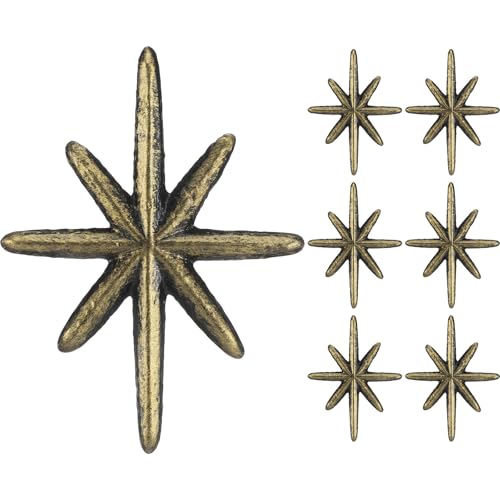
Mid-century cabinet pulls are more than just hardware—they're a design statement. Characterized by clean lines, geometric shapes, and a blend of organic and industrial materials, these pulls have become a timeless choice for furniture enthusiasts. Whether you're restoring a vintage dresser, updating a modern piece, or building a new project, choosing the right pulls can transform the entire look.
In this guide, we'll explore the defining features of mid-century cabinet pulls, help you navigate the different styles and finishes, and provide expert advice on making the best choice for your furniture. We'll also highlight some of the best options available today to help you achieve that iconic retro-modern aesthetic.
💡 Key Insight
The right mid-century pull doesn't just open a drawer—it opens a conversation. Its design can anchor a room's entire aesthetic, bridging the gap between vintage charm and contemporary simplicity.
What Defines Mid-Century Cabinet Pulls?
Mid-century modern design, which peaked from the 1940s to the 1960s, emphasized functionality, simplicity, and a connection with nature. This philosophy is perfectly encapsulated in its hardware. Here are the hallmarks of authentic mid-century cabinet pulls:
- Geometric Forms: Circles, ovals, teardrops, and elongated cylinders are common. The shapes are often simple and unadorned.
- Mixed Materials: Brass, aluminum, and wood were frequently combined. For example, a wooden knob with a brass base or a sleek brass bar with black tips.
- Warm Metal Finishes: Unlacquered brass, polished brass, and satin brass are classic. Also popular were oil-rubbed bronze and brushed nickel for a more understated look.
- Clean, Minimalist Lines: Ornamentation is minimal. The focus is on the purity of the form and the quality of the material.
Popular Styles and Finishes
When selecting mid-century cabinet pulls, consider the style that best complements your furniture. Here are some popular categories:
- Brass Bar Pulls: The quintessential mid-century pull. These are simple, horizontal bars in brass or gold tones. They work exceptionally well on dressers and chest of drawers, adding a touch of elegance and warmth.
- Teardrop and Leaf Pulls: Inspired by organic forms, these pulls feature a tapered, leaf-like shape. They add a softer, more artistic element to cabinets and are often used on sideboards and credenzas.
- Wooden Knobs and Handles: Often made from teak, walnut, or oak, these pulls bring natural texture and warmth. They are perfect for a more rustic or organic take on the mid-century style.
- Minimalist Cup Pulls: For a sleek, integrated look, cup pulls (which are inset) were also used. They offer a clean, flush appearance that's very modern.
Choosing the Right Pull for Your Furniture
Selecting the ideal pull involves more than just aesthetics. Here are key factors to consider to ensure both form and function work in harmony.
1. Size and Scale
A common mistake is choosing pulls that are either too small or too large for the drawer or cabinet door. As a rule of thumb, the pull should be about one-third the width of the drawer. For standard dresser drawers (24–30 inches wide), a pull that is 5–8 inches long is a safe bet. For smaller drawers, opt for 3–5 inch pulls or knobs.
2. Mounting Style
Mid-century pulls come with different mounting styles. The most common are center-to-center (the distance between the two screw holes) and single-screw knobs. Accurately measuring your existing hardware's hole spacing is crucial for a seamless replacement. If you're installing new hardware on a custom piece, you have more flexibility.
3. Metal Finish and Durability
The finish you choose will significantly impact the room's overall feel.
- Brass/ Gold: Adds warmth and a classic, luxurious feel. It pairs beautifully with dark woods like walnut and teak.
- Brushed Nickel/ Chrome: Offers a cooler, more contemporary look. It's versatile and works well with painted cabinets or lighter woods.
- Oil-Rubbed Bronze: Provides a darker, more industrial vibe, great for creating a sophisticated contrast against lighter wood tones.
Consider the durability and maintenance of the finish. High-quality brass and bronze will develop a beautiful patina over time, which is often highly desirable in mid-century design.
How to Install Mid-Century Pulls (DIY Guide)
Installing new cabinet pulls is a straightforward DIY project that can instantly refresh your furniture. Here's a quick guide:
- Measure and Mark: Use a measuring tape to mark the center of the drawer face or cabinet door. If replacing existing hardware, use the existing holes. For new installations, use a template or carefully measure the center-to-center distance.
- Drill Pilot Holes: If you're making new holes, use a drill bit slightly smaller than your screw to create pilot holes. This prevents the wood from splitting.
- Attach the Pull: From the front of the drawer, place the pull over the holes. From the back, insert the screws through the holes and into the pull. Tighten with a screwdriver. Be careful not to overtighten, as this can strip the screw or damage the pull.
For more detailed guidance on dresser hardware and installation, you might find our article on handles for dresser drawers helpful.
Where to Use Mid-Century Cabinet Pulls
While these pulls are a natural fit for dressers and chests, their versatility extends far beyond the bedroom. Here are some creative places to incorporate them:
- Kitchen Cabinets: They add a unique, retro-futuristic flair to an otherwise standard kitchen.
- Built-in Shelving or Storage Units: They can unify a built-in system and add a touch of mid-century character.
- Nightstands and Bedside Tables: A great way to complement a white tall dresser or a wooden bed frame.
- Repurposed Furniture: They are the perfect finishing touch for upcycling a flea market find or a family heirloom.
For instance, pairing a set of brass bar pulls with a double dresser for bedroom can create a stunning, cohesive look. Alternatively, sleek wooden knobs can add warmth to a dresser with sliding drawers.
✨ Pro Tip: Mix and Match
Don't be afraid to mix different styles of mid-century pulls in the same room. For example, you could use bar pulls on the large dresser drawers and teardrop knobs on the smaller nightstand drawers. This creates visual interest while maintaining a cohesive theme.
Conclusion: Elevate Your Space with Iconic Hardware
Mid-century cabinet pulls are a design investment that pays off in style and longevity. They are more than just functional hardware; they are a reflection of a design era that valued beauty, simplicity, and craftsmanship. By considering the style, finish, and scale of your pulls, you can transform any piece of furniture into a mid-century masterpiece.
Ready to find the perfect pulls for your project? Browse the curated selection below to find high-quality options that will bring your vision to life. For more inspiration on hardware and furniture, explore our guides on modern cabinet pulls and modern drawer pulls.