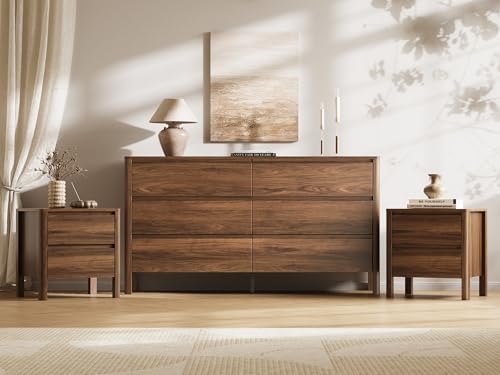
Dresser and Bedside Table Set: Complete Buying Guide
A coordinated dresser and bedside table set brings visual harmony to your bedroom while delivering practical storage where you need it most. Learn how to choose the right combination for your space, style, and daily routine.
Furnishing a bedroom can feel overwhelming when every piece competes for attention. A matching dresser and nightstand set simplifies the process by giving you a unified foundation for the room. Instead of hunting for individual pieces that may or may not work together, you select a coordinated collection that already shares the same finish, hardware, and design language. This guide walks you through every consideration, from measuring your room to understanding construction quality, so you can make a confident decision.
Why a set makes sense: Beyond aesthetics, a matching dresser and bedside table set ensures consistent proportions. The drawer heights, tabletop surfaces, and leg styles are designed to relate to one another, which creates a sense of order that mismatched pieces rarely achieve.
What Is Included in a Dresser and Bedside Table Set?
A typical set includes one dresser and one or two bedside tables. Some collections also add a chest of drawers or a mirror, creating a full bedroom suite. Understanding what each component contributes helps you evaluate whether a particular set fits your needs.
The Dresser
The dresser serves as the primary clothing storage unit. In a set, it is usually the largest piece and often defines the visual character of the collection. Drawer counts vary widely, from compact six-drawer wide dressers to spacious configurations with nine or more drawers. The dresser top also provides a surface for decorative items, a mirror, or a makeup vanity combination.
The Bedside Tables
Bedside tables, also called nightstands, sit on either side of the bed. They hold essentials within arm's reach: a lamp, a book, a glass of water, and perhaps a phone charger. In a matched set, the bedside tables mirror the dresser's design details, such as drawer pulls, edge profiles, and finish. Some sets offer a single bedside table for rooms where only one side of the bed is accessible.
Optional Additions
Many collections expand beyond the core two pieces. You may find sets that include a dresser and chest of drawers for additional storage, or a dresser and mirror set for a complete dressing area. If you have the space, these additions create a fully coordinated room without the guesswork of mixing separate collections.
How to Measure Your Bedroom for a Set
Before you fall in love with a particular design, confirm that it will actually fit. Poorly scaled furniture makes even a large room feel cramped, while a set that is too small leaves the space feeling unfinished.
Dresser Placement and Clearance
Measure the wall where you plan to place the dresser. Leave at least 24 to 36 inches of clearance in front of the dresser so drawers can open fully and you can move comfortably. If the dresser faces the bed, ensure there is enough room to walk between them. For narrow rooms, consider a dresser designed for small spaces or a narrow dresser that preserves floor space.
Bedside Table Height and Width
Bedside tables should be roughly level with the top of your mattress or slightly lower. A table that is too tall feels awkward to reach from bed; one that is too low forces you to stoop. Measure the space between your bed and the nearest wall or furniture. A bedside table that is 18 to 24 inches wide fits most standard bedroom layouts, but smaller options exist for tight spaces.
Traffic Flow
Account for doors, closets, and walkways. A set that blocks a closet door or forces you to sidestep is a daily frustration. Sketch a simple floor plan with measurements before you shop, and bring a tape measure when you visit a showroom or compare dimensions online.
Matching Styles: Finding a Cohesive Look
A dresser and bedside table set should feel intentional, not accidental. The style you choose should align with your existing decor or serve as the anchor for a new design direction.
Modern and Contemporary
Clean lines, minimal ornamentation, and hardware-free fronts define modern sets. A mid-century modern double dresser paired with matching bedside tables brings warmth through tapered legs and natural wood tones. Modern sets often feature flat-panel drawers and integrated handles for a streamlined appearance.
Traditional and Farmhouse
Traditional sets emphasize symmetry, decorative molding, and classic hardware. A distressed white dresser with matching bedside tables creates a relaxed farmhouse feel. Look for details like bracket feet, beveled edges, and antiqued knobs that reinforce the style.
Transitional and Versatile
Transitional sets blend elements of modern and traditional design, making them adaptable to changing tastes. These pieces often work well in grey dresser and nightstand sets or wood-finished collections that suit a wide range of color palettes.
Coordinating Without Matching
If an exact match feels too rigid, coordinate pieces from the same style family. A dresser and matching night stand can share a finish while differing in size or drawer count. The goal is visual harmony, not identical duplication.
Materials and Construction Quality
The materials used in a dresser and bedside table set determine how long the furniture will last and how well it will withstand daily use. Understanding the differences helps you prioritize what matters most.
| Material Tier | Characteristics | Best For |
|---|---|---|
| Entry-Level | Engineered wood with paper veneer; basic drawer slides; glued or stapled joints | Guest rooms, temporary setups, or rooms with low daily traffic |
| Mid-Range | Engineered wood with wood veneer; metal drawer slides; screwed or doweled joints | Primary bedrooms with regular use and moderate storage needs |
| Premium | Solid wood construction or high-grade veneers; full-extension ball-bearing slides; dovetail drawer joints | Long-term use in master bedrooms and high-traffic households |
| Luxury | Hardwood solids throughout; soft-close mechanisms; hand-finished details; traditional joinery | Investment pieces intended to be passed down or used for decades |
Drawer Slides and Hardware
Drawer slides are among the most important components to evaluate. Entry-level sets often use basic side-mounted slides that allow partial extension. Mid-range and premium sets upgrade to heavy-duty full-extension drawer slides that let you access the entire drawer depth. Soft-close mechanisms, found in higher tiers, prevent drawers from slamming and extend the life of the hardware.
Joinery Matters
Dovetail joints, where interlocking wedge-shaped cuts hold drawer corners together, represent the gold standard in furniture construction. Screwed and doweled joints are acceptable at the mid-range level, but stapled construction should be avoided if you want the set to last.
Finish Durability
Look for finishes that resist moisture, scratches, and fading. Lacquered or polyurethane finishes offer better protection than unfinished wood or thin stains. A dresser quality guide can help you assess construction details during a showroom visit or when reading product specifications online.
Storage Configuration: Choosing the Right Drawer Layout
The number and size of drawers in your dresser determine how well the set serves your storage habits. Think about what you plan to store and how you prefer to organize it.
Dresser Drawer Counts
A three-drawer dresser offers a simple, compact option for smaller wardrobes or rooms where the dresser is secondary to a closet. A six-drawer dresser provides more flexibility, often combining wider drawers for folded clothing with smaller drawers for accessories. For maximum capacity, a nine-drawer dresser or a dresser and chester drawer set accommodates a full wardrobe.
Bedside Table Drawers
Most bedside tables have one to three drawers. A single drawer may be sufficient for a lamp, a book, and a few personal items, but two or three drawers allow for better organization. Some sets feature a drawer plus an open shelf, which works well for items you want to grab quickly.
Specialty Storage
If jewelry, accessories, or small items tend to clutter your surfaces, consider a set with a built-in dresser drawer jewelry organizer or a felt-lined top drawer. These thoughtful details keep small items tidy and protected.
Color and Finish Options for Sets
The finish you choose sets the tone for the entire bedroom. Consider how the set will interact with your walls, flooring, and bedding.
White Sets
A white dresser and nightstand set brightens the room and creates a clean, airy feel. White works well in rooms with bold wall colors or patterned bedding because it provides visual breathing room.
Wood Tones
Natural wood finishes bring warmth and texture. An oak or walnut set grounds the room and pairs naturally with neutral or earth-toned palettes. Wood grain also hides minor scratches better than solid-color finishes.
Grey and Neutral Sets
A grey dresser and nightstand set offers a sophisticated middle ground that works with both warm and cool color schemes. Grey is forgiving of dust and fingerprints, making it a practical choice for busy households.
Brown and Warm Finishes
A brown dresser and nightstand set in a rich stain or painted finish creates a cozy, grounded atmosphere. Brown tones are especially effective in rooms with warm lighting and natural textiles.
Accent Finishes
For a touch of glamour, a gold-accented dresser and nightstand set or one with metallic hardware adds a refined focal point. These sets work best when the rest of the room stays relatively subdued.
Set Configurations: One, Two, or More Pieces
Not every bedroom needs the same combination. The right configuration depends on bed size, room layout, and how much storage you require.
Dresser and Single Bedside Table
A dresser and bed side table set with one bedside table suits rooms where the bed is against a wall on one side, or where a door or window limits placement. This configuration is common in guest rooms and smaller bedrooms.
Dresser and Two Bedside Tables
The classic dresser and two nightstand set provides symmetry and convenience for couples or anyone who uses both sides of the bed. This is the most common configuration for master bedrooms.
Dresser, Two Bedside Tables, and a Chest
A dresser, nightstand, and chest set expands storage capacity for larger wardrobes or rooms with ample floor space. The chest can hold bulky items like sweaters or linens, freeing up dresser drawers for everyday clothing.
Dresser and Matching Side Tables
A dresser and side table set offers flexibility beyond the bedroom. Side tables can serve as bedside tables in a bedroom or as accent tables in a living area, making the set adaptable if your needs change.
Coordinating with Other Bedroom Furniture
A dresser and bedside table set does not exist in isolation. Consider how it will relate to your bed, seating, and other storage pieces.
Bed Frame Compatibility
The height of your bedside tables should relate to the height of your mattress. If you have a tall bed frame, look for taller bedside tables or consider a dresser and night stand combination with adjustable feet. If you are shopping for a complete bedroom refresh, a dresser and bed frame pairing can create a fully coordinated look.
Additional Storage Pieces
If your closet is small, a dresser and armoire combination provides hanging space alongside drawer storage. For rooms that serve multiple purposes, a dresser and computer desk combo or a dresser and makeup vanity combo integrates work or grooming functions into the storage piece.
Seating and Accessories
A dresser bench at the foot of the bed or a dresser chair in a corner adds comfort without disrupting the visual flow. These pieces can echo the set's wood tone or upholstery color to reinforce the cohesive design.
Budgeting for a Dresser and Bedside Table Set
Furniture sets span a wide range of market positions, from entry-level collections to luxury suites. Understanding what each tier offers helps you allocate your resources effectively.
Entry-Level Tier
Entry-level sets prioritize affordability and basic functionality. They often use engineered wood with paper veneers and standard drawer slides. These sets are suitable for guest rooms, first apartments, or temporary living situations where the furniture may not need to last a decade.
Mid-Range Tier
Mid-range sets offer a balance of durability and design. You will find wood veneers, metal drawer slides, and more refined finishes. This tier represents a solid choice for primary bedrooms where the furniture will see daily use.
Premium and Luxury Tiers
Premium sets use solid wood construction, dovetail joinery, and full-extension soft-close slides. Luxury sets add hand-finished details, premium hardware, and heirloom-quality construction. These tiers represent a long-term investment in furniture that can be maintained and refinished over time.
How to Prioritize
If your resources are limited, prioritize the dresser. It is the larger piece and will see more use. A mid-range dresser paired with entry-level bedside tables can be a practical compromise. Alternatively, a dresser and nightstand set available nearby through local retailers may offer the opportunity to inspect construction quality in person before purchasing.
Where to Place Your Dresser and Bedside Tables
Placement affects both the functionality and the visual balance of your bedroom. A few strategic decisions can make the set feel intentional and integrated.
Dresser Placement
The dresser can anchor a wall, sit opposite the bed, or occupy a corner. Placing it opposite the bed creates a balanced composition, especially if the dresser has a mirror above it. In smaller rooms, a dresser inside a small closet or a dresser for closet use frees up bedroom floor space.
Bedside Table Symmetry
When using two bedside tables, position them equidistant from the bed to create symmetry. If one side has limited space, a smaller table or a wall-mounted shelf can substitute. The goal is functional balance rather than rigid mirroring.
Lighting and Accessories
Bedside tables provide a natural surface for lamps, clocks, and small decorative items. Keep the surface uncluttered to preserve the calm, organized feel that a matching set creates. A dresser lighting idea such as a pair of matching lamps can reinforce the symmetry of the set.
Maintenance Tips for Long-Lasting Furniture
Proper care extends the life of your dresser and bedside table set and keeps it looking fresh for years.
- Dust regularly with a soft, dry cloth to prevent buildup that can dull the finish.
- Avoid placing the set in direct sunlight, which can fade wood and warp veneers over time.
- Use coasters and placemats on bedside tables to protect the surface from moisture rings.
- Tighten drawer pulls and handles periodically to prevent loosening.
- Lubricate drawer slides with a silicone-based product if they begin to stick.
- Address spills immediately with a damp cloth, then dry thoroughly.
- Use furniture polish sparingly and according to the manufacturer's recommendations.
For a deeper dive into care and organization, a dresser organization idea guide and a drawer organizer guide can help you keep the interior as tidy as the exterior.
Shopping Checklist: What to Confirm Before You Buy
Use this checklist to ensure you have covered all the essential considerations before committing to a set.
- Measure your room and confirm clearance for drawer opening and foot traffic.
- Verify the height of bedside tables relative to your mattress.
- Check the drawer count and layout against your storage needs.
- Confirm the construction materials and joinery type.
- Inspect drawer slides for smooth operation and full extension.
- Review the finish and hardware for durability and style compatibility.
- Read customer reviews for real-world feedback on quality and assembly.
- Confirm the return policy and warranty terms.
- Plan the delivery logistics: will the pieces fit through doorways and stairwells?
If you are still exploring styles, a dresser review collection can provide insights into specific models and brands. For a broader perspective on choosing bedroom furniture, the complete dresser buying guide covers additional considerations.
Ready to Explore Dresser and Bedside Table Sets?
Browse our curated selection of matching bedroom furniture sets to find the combination that fits your space, style, and storage needs.
Explore Matching SetsFrequently Asked Questions
A dresser and bedside table set is a coordinated collection of bedroom furniture that typically includes one dresser and one or two matching bedside tables, also known as nightstands. These sets are designed with matching materials, finishes, and hardware to create a cohesive look throughout the bedroom.
Measure your bedroom carefully before shopping. The dresser should leave at least 24 to 36 inches of walking space in front of it. Bedside tables should be roughly the same height as your mattress top or slightly lower. Consider the scale of your room: larger sets suit spacious bedrooms, while compact sets work better in smaller rooms. A dresser size guide can help you compare dimensions systematically.
While a matching set creates a unified look, you can also coordinate pieces that share the same finish or style family rather than being identical. The key is visual harmony through consistent wood tones, hardware finishes, or design lines. A dresser and nightstand combo that shares a common design language can look just as cohesive as an exact match.
Solid wood sets offer the greatest durability and can be refinished over time. Engineered wood with quality veneers provides stability and a consistent look. For a long-term investment, prioritize solid wood construction with dovetail joints and full-extension drawer slides. The materials and finishes guide provides a deeper comparison of wood types and their characteristics.
Yes, many collections remain available for extended periods. If you start with a dresser and two bedside tables, you can often add a matching chest or mirror later. However, finishes can vary slightly between production runs, so it is best to purchase all desired pieces at the same time when possible. A dresser and matching side tables set offers flexibility for future expansion.
Start by identifying the dominant wood tone or finish in your room. Choose a set that either matches that tone or provides a deliberate contrast. If your room is primarily neutral, a white dresser and nightstand set can add brightness, while a wood-toned set brings warmth. Pay attention to hardware finishes as well: mixing metals can work, but consistency usually creates a calmer look.