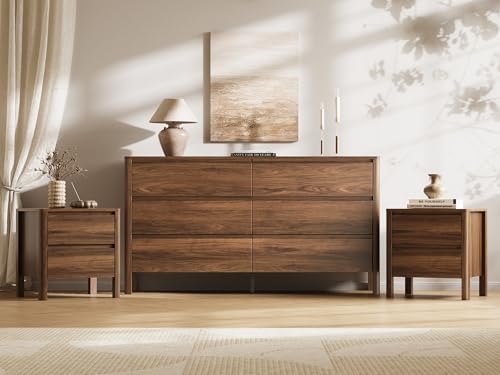
Dresser and Matching Night Stand: The Complete Guide
Discover how a coordinated dresser and matching night stand set transforms your bedroom. Learn sizing, materials, styles, and practical buying advice to make a confident decision before you shop.
START THE GUIDEWhy a matching set matters: A coordinated dresser and matching night stand creates visual harmony, simplifies your bedroom design, and ensures consistent craftsmanship across your storage furniture. This guide walks you through everything you need to choose the right set for your space, lifestyle, and long-term needs.
What Is a Dresser and Matching Night Stand Set?
A dresser and matching night stand set is a coordinated bedroom furniture pairing designed to share the same design DNA. Both pieces typically use identical wood species, finish colors, hardware styles, and construction methods. This coherence makes the set feel intentional and unified rather than assembled piecemeal.
Matching sets are especially valuable for people who want a polished bedroom without spending hours hunting for compatible pieces. They remove guesswork from the design process. You get consistent drawer glides, matching finishes that age the same way, and a cohesive look that reads as professionally curated.
These sets come in several configurations. A dresser and nightstand set usually includes one dresser and one nightstand, while a double dresser and nightstand set provides a wider dresser for larger rooms. For couples who want symmetry on both sides of the bed, a dresser and 2 nightstand set is the most balanced choice.
Understanding these configurations early helps you plan your bedroom layout before you commit to a purchase. The right combination depends on bed size, wall space, and how much clothing storage you actually need.
Why Choose a Matching Dresser and Night Stand Set?
Buying a coordinated set offers practical and aesthetic benefits that go beyond surface appearance. Here is what you gain when the dresser and night stand are designed to work together:
- Visual cohesion: Matched wood tones and hardware create a calm, unified bedroom that feels deliberate rather than chaotic.
- Consistent quality: A single manufacturer means the same joinery standards, drawer slide quality, and finish durability across both pieces.
- Simplified shopping: You avoid the trial-and-error of comparing mismatched finishes under different lighting conditions.
- Long-term matching: Finishes age identically because they come from the same production batch and material lot.
- Better resale cohesion: A complete set is easier to sell as a unit if you later redecorate or move.
That said, matching sets are not the only path to a beautiful bedroom. Some buyers prefer a curated mix. If you lean toward a coordinated but not identical approach, explore a dresser and nightstand combo that pairs complementary styles while keeping the design language consistent.
Key Factors When Buying a Dresser and Matching Night Stand
1. Measure Your Space First
Before browsing any set, measure the available wall space in your bedroom. A dresser should occupy roughly 30 to 40 percent of the wall width behind or beside the bed. Nightstands should be tall enough to reach comfortably from the mattress, typically within 2 inches of mattress height. Leave at least 24 inches of walking clearance between furniture pieces.
For smaller bedrooms, consider a dresser and nightstand set nearby in a compact configuration. Narrow dressers paired with slim nightstands preserve floor space without sacrificing function. If space is very limited, a dresser for small spaces paired with a compact nightstand keeps the room usable.
2. Decide on Drawer Count and Storage Volume
The dresser handles the bulk of clothing storage, so drawer count matters. A 6-drawer dresser suits most couples, while a 4-drawer model works for single sleepers or guest rooms. Nightstands usually need 1 to 3 drawers for bedside essentials like books, chargers, and reading glasses.
If you need extra capacity, a dresser and chest of drawers combination expands storage without overwhelming the room. For a full bedroom suite, a dresser, nightstand, and chest set provides a complete, coordinated storage system.
3. Choose the Right Material Tier
Material quality separates a set that lasts a decade from one that sags within two years. Use these tier descriptors to evaluate options consistently:
| Material Tier | Typical Construction | Best For | Durability Notes |
|---|---|---|---|
| Entry-Level | Engineered wood with laminate finish | Guest rooms, starter apartments | Solid build for light use; check reinforced joinery |
| Mid-Range | Engineered wood core with wood veneer | Primary bedrooms, everyday use | Balanced tier with good stability and finish options |
| Premium | Solid wood (oak, maple, walnut) with quality hardware | Long-term primary bedroom use | Durable construction; repairable and refinishable |
| Luxury | Hardwood with dovetail joinery and premium glides | High-end bedrooms, heirloom intent | Professional-grade construction; decades of service |
Solid wood sets in the premium tier offer the strongest long-term investment. The dresser quality guide explains how to inspect joinery, drawer slides, and finish quality before buying. For wood-specific advice, see the wood dresser and nightstand set overview.
4. Match the Style to Your Bedroom
Style is where matching sets shine. Because both pieces are designed together, you avoid the jarring effect of a farmhouse dresser beside a modern nightstand. Popular coordinated styles include:
- Modern and minimalist: Clean lines, flush drawer fronts, and neutral finishes.
- Mid-century modern: Tapered legs, warm wood tones, and subtle hardware. A double dresser mid-century modern set pairs beautifully with matching nightstands.
- Farmhouse and rustic: Distressed finishes, plank details, and cup pulls.
- Traditional: Raised panels, bracket feet, and antique-inspired hardware.
Color also defines the mood. A white dresser and nightstand set brightens small bedrooms, while a grey dresser and nightstand set offers a versatile neutral. A brown dresser and nightstand set brings warmth and traditional character. For a touch of elegance, a gold dresser and nightstand set adds a refined accent.
5. Check Hardware and Drawer Mechanics
The hardware and drawer slides determine daily usability. Look for metal ball-bearing glides with full extension, which let you see and reach the back of each drawer. Dovetail joinery on drawer boxes signals premium construction. Soft-close mechanisms reduce noise and wear.
Hardware finish should match across the set. If you plan to upgrade later, choose a set with standard hole spacing so you can swap in new dresser handles or dresser knobs without drilling new holes.
Common Dresser and Night Stand Configurations
The configuration you choose depends on bed size, room layout, and whether you share the bedroom. Here are the most common arrangements and who they suit:
| Configuration | Best For | Room Size Fit | Storage Balance |
|---|---|---|---|
| Dresser and nightstand set | Single sleepers, guest rooms | Small to medium | One bedside surface, full dresser |
| Dresser and two nightstand set | Couples, primary bedrooms | Medium to large | Symmetric bedside access |
| Dresser and 2 nightstand set | King or queen beds | Large | Balanced storage on both sides |
| Dresser and bed side table set | Compact bedrooms | Small | Minimal footprint |
| Dresser, chest, and nightstand set | Large households | Large | Maximum storage capacity |
For rooms where the bed sits between two walls, a single nightstand plus a wide dresser often works best. In open layouts, two nightstands frame the bed and balance the dresser on the opposite wall. If you want additional coordination, a dresser nightstand combo can be scaled to fit the exact dimensions of your room.
Placement and Layout Tips
Where you place the dresser and nightstands affects both function and the visual balance of the room. Follow these guidelines to get the layout right:
- Anchor the bed first. Position the bed against the primary wall, then place nightstands on either side. This creates a natural focal point.
- Leave breathing room. Maintain at least 24 to 30 inches between the foot of the bed and the dresser so drawers can open fully without blocking walkways.
- Align heights where possible. Nightstand tops should sit within a couple of inches of the mattress top. Dresser height is flexible but should not crowd the visual field beside the bed.
- Consider traffic flow. Avoid placing the dresser directly opposite a doorway or in the path to the bathroom. Drawers need clearance to open.
- Balance the visual weight. A tall chest on one side pairs well with a lower dresser on the other. In a matching set, the shared finish provides cohesion even when piece heights differ.
If the bedroom doubles as a workspace or dressing area, a dresser, desk, and nightstand set combines multiple functions into one coordinated arrangement. For walk-in closets, a dresser and night stand pairing can serve as the anchor storage for folded clothing.
How to Match Style, Finish, and Hardware
True matching goes beyond color. A set feels cohesive when three elements align: finish, hardware, and silhouette.
Finish
Finish is the most visible matching element. Wood tones should be from the same species or deliberately complementary. Painted sets should use the same sheen level. A wood dresser and nightstand set often shows the most natural variation, so inspect both pieces together if possible.
Hardware
Knobs, pulls, and handles should match in metal finish and style. If the dresser uses cup pulls, the nightstand should too. Mixed hardware works only when it is an intentional design choice, such as matte black pulls on white drawers for contrast.
Silhouette
Leg shape, drawer front style, and overall proportions should feel related. A dresser with tapered legs pairs naturally with a nightstand that shares the same leg profile. Rounded corners on one piece and sharp edges on the other can feel disjointed unless other elements tie them together.
If you are building a room around a specific aesthetic, explore the grey dresser and nightstand set for modern neutral rooms or the brown dresser and nightstand set for warmer, traditional spaces.
Who Should Buy a Matching Set?
A matching dresser and night stand set is not for everyone, but it suits many buyers. Consider these profiles:
- First-time bedroom furnishers: A set eliminates the risk of mismatched pieces and simplifies the buying process.
- Couples setting up a shared bedroom: Symmetry and consistent storage make daily routines smoother.
- Busy professionals: Less time spent comparing pieces means faster decisions and a cohesive result.
- Guest room hosts: A coordinated set looks intentional and welcoming without extensive styling.
- Long-term homeowners: A quality matched set is a worthwhile investment that stays cohesive as finishes age.
If you enjoy curating eclectic interiors or already own pieces you love, a partial match may serve you better. But if you want a bedroom that looks pulled together with minimal effort, a coordinated set is the efficient choice. For a broader perspective on bedroom storage layout, see the dresser buying guide.
Caring for Your Dresser and Night Stand Set
Proper care extends the life of both pieces and keeps their finishes looking consistent. Follow these maintenance habits:
- Dust weekly: Use a soft, slightly damp cloth on wood finishes. Avoid harsh chemical cleaners that can dull the surface.
- Protect from moisture: Use coasters under drinks on the nightstand. Wipe spills immediately to prevent water rings.
- Lubricate drawer slides: Apply a silicone-based lubricant to metal glides once or twice a year to keep drawers moving smoothly.
- Avoid direct sunlight: Prolonged sun exposure fades finishes unevenly. Use curtains or blinds to protect both pieces.
- Check hardware periodically: Tighten screws on handles and knobs every few months to prevent loosening.
- Rotate decorative items: Heavy objects left in one spot can leave indentations on wood surfaces. Use felt pads under lamps and decor.
If the finish becomes scratched, a touch-up marker matched to the wood tone can hide minor blemishes. For deeper restoration, consult the dresser restoration guide before attempting refinishing.
Common Mistakes to Avoid
Buyers often make avoidable errors when purchasing a dresser and nightstand set. Watch for these pitfalls:
- Buying before measuring: Always measure wall space, mattress height, and walking clearance before selecting a set.
- Ignoring drawer slide quality: A beautiful finish cannot compensate for sticky or flimsy glides. Test drawers in person when possible.
- Overlooking hardware longevity: Cheap metal finishes can tarnish or peel. Look for solid metal hardware in mid-range and premium sets.
- Skipping the walkway test: A dresser that blocks traffic flow becomes a daily frustration. Leave room for drawers to open fully.
- Choosing style over substance: A trendy finish that peels within a year is a poor trade-off. Prioritize durable construction over short-lived aesthetics.
For a deeper dive into material and construction evaluation, read the dresser quality guide.
Frequently Asked Questions
What is a dresser and matching night stand set?
How do I choose the right size dresser and nightstand set for my bedroom?
Should the nightstand height match the dresser?
What materials are best for a dresser and nightstand set?
Can I mix and match a dresser with a different nightstand?
Ready to Choose Your Matching Set?
Now that you understand sizing, materials, style coordination, and placement, explore recommended options that fit your space and storage needs.
VIEW RECOMMENDED SETS