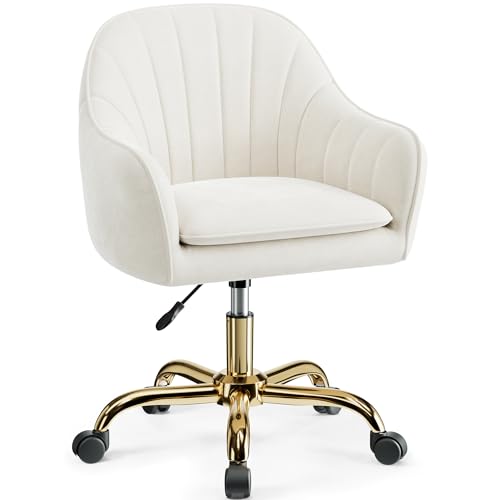
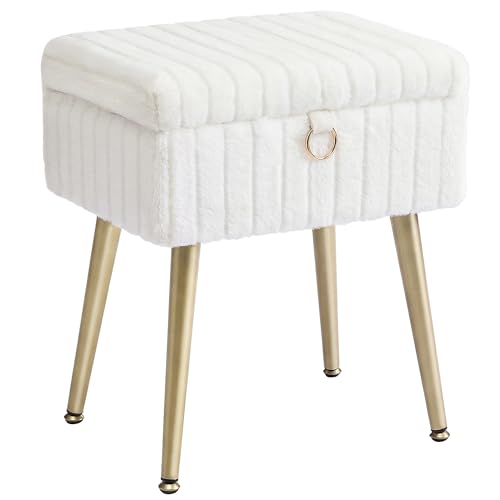
Dresser Chair: The Complete Buying Guide
A dresser chair is one of the most practical additions to a bedroom. It gives you a comfortable place to sit while getting ready, keeps your dresser top clear, and adds a polished accent to the room. This guide explains how to choose the right one with confidence.
Explore Buying FactorsWhy readers trust this guide: Choosing a dresser chair is about far more than looks. Seat height, footprint, frame material, and placement all affect daily comfort. Below we break down each factor so you can match a chair to your dresser, your room layout, and the way you actually use your bedroom.
What Is a Dresser Chair?
A dresser chair is a compact seating piece positioned near, beside, or directly in front of a dresser. Its primary job is to provide a convenient spot to sit while you dress, sort accessories, or apply makeup. Unlike a bulky lounge chair, a dresser chair is sized to fit alongside bedroom furniture without crowding the room.
Many shoppers discover that a dresser chair solves a common problem: standing awkwardly in front of a dresser while juggling jewelry, socks, or a hair dryer. A dedicated seat turns that daily routine into something far more comfortable. If you are still mapping out your bedroom layout, our dresser room planning guide offers a useful starting framework for spacing furniture around a dresser.
The term covers several furniture forms, from a simple backless stool to a fully upholstered accent chair. The right choice depends on how much floor space you have and how often the seat will be used. Readers comparing seating options with other bedroom accessories may also find our dresser bench guide helpful, since benches and chairs serve overlapping purposes.
Types of Dresser Chairs
Dresser chairs fall into a handful of recognizable categories. Each has distinct strengths, and matching the type to your routine matters more than following a trend.
Backless Stool
The most space-efficient option. A backless stool tucks completely under the dresser and disappears when not in use. Ideal for small bedrooms and for people who sit only briefly.
Vanity-Style Chair
A slim chair with a low or curved back, often paired with makeup stations. Its proportions suit a seated position close to a mirror and dresser top.
Upholstered Accent Chair
More generous cushioning and a supportive back make this type comfortable for longer sessions. It doubles as a decorative focal point in the bedroom.
Armless Side Chair
A clean-lined wooden or metal chair with no arms. It slides in easily, pairs well with traditional dressers, and works as a standalone seat when needed.
If your bedroom also needs a place to store folded clothing within reach, combining a chair with a well-organized dresser matters. Our dresser organization ideas cover practical ways to arrange drawers so the chair becomes part of a smooth daily routine.
Key Buying Factors
Before choosing a dresser chair, work through the factors below. Each one has a direct effect on comfort and on how well the chair fits your room.
Seat Height and Dresser Compatibility
Seat height is the single most overlooked specification. A seat between 18 and 20 inches suits most adults and aligns comfortably with a standard dresser top. If you plan to tuck the chair under the dresser, measure the clearance beneath the lowest drawer and confirm the chair back sits below that line. A chair that blocks a drawer is a chair that will soon be moved out of the way.
Footprint and Clearance
Leave a clear walkway of at least 24 inches in front of the dresser. A chair that fits the available floor space without pinching the path to the bed or closet is the right size, regardless of how attractive it looks in a showroom. In tight rooms, a backless design is often the most sensible solution. Our dresser options for small spaces article explains how to layer compact furniture without sacrificing function.
Frame Material and Construction
Solid wood frames with reinforced joinery represent a long-term investment and hold up to daily use. Metal frames suit modern and industrial rooms, while rattan and woven frames bring texture to relaxed interiors. Check that legs are firmly attached and that any upholstery is neatly finished at the seams. These details separate durable construction from furniture that loosens within a season.
Upholstery and Maintenance
If the chair will host makeup sessions or morning coffee, choose a performance fabric or wipeable leather. Removable, washable covers are a practical bonus. For bedrooms with heavy daily traffic, mid-range upholstery with tight stitching generally balances comfort and durability well.
Style Alignment
The chair should relate to the dresser without mimicking it exactly. A painted dresser often pairs well with a natural wood chair, while a dark wood dresser can carry a lighter upholstered seat. Our dresser color ideas guide is useful for building a cohesive palette across furniture pieces.
Dresser Chair Tiers at a Glance
The table below groups dresser chairs by market tier rather than by any specific figure. Use it to set expectations for construction and features within each tier.
| Tier | Best For | Typical Characteristics |
|---|---|---|
| Entry-Level | Occasional use, guest rooms, tight spaces | Simple frame, basic cushioning, lightweight build suited to brief seating |
| Mid-Range | Daily bedroom routines | Solid wood or reinforced metal frame, denser foam, smoother upholstery finish |
| Premium | Frequent, longer seating sessions | Hardwood joinery, high-resilience cushioning, performance fabric, refined detailing |
| Luxury | Design-led bedrooms and statement interiors | Hand-finished frames, tailored upholstery, designer hardware, exceptional durability |
A mid-range chair generally offers the most balanced ownership experience for a bedroom that sees daily use. Entry-level models are sensible where the chair is moved frequently or used only now and then, while premium and luxury tiers reward buyers who want the chair to last for many years.
Placement Ideas
Where the chair sits affects both usability and visual balance. Consider these arrangements:
- Directly in front of the dresser: Best for makeup and accessory routines. Confirm the chair tucks in without blocking drawers.
- Beside the dresser: Creates a natural dressing corner and leaves the drawer fronts fully accessible.
- At the end of the bed: A dresser chair can double as a bedroom accent seat, especially in rooms where the dresser sits along the same wall.
- Inside a walk-in closet: Pairs well with a compact dresser or island. Our dresser for closet guide covers storage layouts that leave room for seating.
If you are coordinating the chair with matching bedroom furniture, our dresser and nightstand set overview shows how coordinated pieces can anchor a cohesive room.
Mistakes to Avoid
- Ignoring drawer clearance: A chair that blocks the bottom drawer will be pushed aside within a week.
- Choosing style over seat height: A beautiful chair at the wrong height is uncomfortable every single day.
- Overlooking maintenance: Light upholstery in a makeup area demands more care than performance fabric.
- Crowding the walkway: Measure the full chair footprint, not just the seat, before placing it.
- Skipping frame checks: Wobbling legs and loose joints signal weak construction, regardless of the tier.
For broader guidance on evaluating furniture build quality, our dresser quality guide explains what to inspect in frames, joints, and hardware.
Frequently Asked Questions
What is a dresser chair?
How do I choose the right size dresser chair?
Which materials are best for a dresser chair?
Can a dresser chair be used in a small bedroom?
Ready to Complete Your Bedroom Setup?
Browse recommended seating and storage pieces selected for dresser compatibility and daily bedroom use.
View Recommended Options