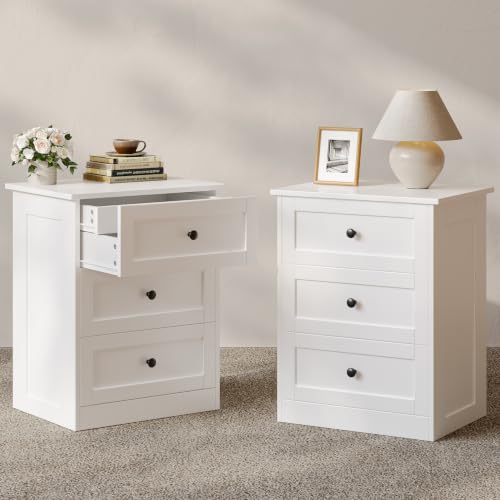
Dresser and Matching Side Tables: A Cohesive Bedroom Guide
Learn how to pair a dresser with matching side tables for a balanced, functional, and beautifully coordinated bedroom — from style and scale to materials and placement.
START PLANNINGWhy pairing matters: A dresser and matching side tables anchor the visual rhythm of a bedroom. When proportions, finish, and hardware align, the room feels intentional rather than assembled piece by piece. This guide walks you through the decisions that matter most — long before you add anything to a cart.
What Makes a Dresser and Side Table Set Work
A dresser and matching side tables set typically includes one main storage piece and one or two smaller tables designed to sit beside the bed. The goal is not identical replication — it is visual continuity. Shared wood tones, consistent hardware finishes, and repeated design motifs (tapered legs, recessed panels, or clean lines) create cohesion without demanding a perfect match.
Many buyers discover this category while searching for a dresser and nightstand set or a broader dresser and bedside table set. These terms overlap heavily, and the right choice depends on how much surface area you want beside the bed and how much storage the room genuinely needs.
A useful mental model is to treat the dresser as the anchor and the side tables as supporting accents. The dresser carries the visual weight; the side tables echo its language at a smaller scale.
Style Coordination: Matching Without Looking Flat
Exact matching sets are convenient, but the most polished bedrooms often use a more nuanced approach. The key is to establish a shared design vocabulary while allowing small variations that add depth.
- Shared wood tone or finish family: If the dresser is a warm walnut, side tables in a similar tone — even if slightly lighter or darker — read as a family rather than a mismatch.
- Repeated hardware: Matching drawer pulls or knobs is one of the fastest ways to unify pieces from different collections. Explore dresser hardware options to find a consistent accent.
- Consistent leg shape: Tapered legs on both the dresser and side tables create a cohesive mid-century or modern feel.
- Proportional detail: A dresser with recessed panels pairs naturally with side tables that use a similar panel motif at a smaller scale.
If you prefer a fully coordinated look, a dedicated dresser and nightstand set removes the guesswork. If you want more personality, mix a solid wood dresser with painted or upholstered side tables and tie them together with a shared accent.
Sizing and Scale: Getting the Proportions Right
Scale is the most common reason a coordinated set feels off. A dresser that dominates the room or side tables that disappear beside the bed both undermine the effort. Use these practical guidelines:
- Side table height: Aim for a surface height within a couple of inches of the mattress top for comfortable reach.
- Dresser width: Leave at least 24 inches of clearance in front of drawers to open them fully without obstruction.
- Visual weight: A tall, narrow dresser pairs well with slightly taller side tables; a low, wide dresser pairs better with lower, broader tables.
- Walkway clearance: Maintain a minimum of 30 inches between the bed and the dresser for comfortable movement.
For compact rooms, a dresser and matching night stand pairing in a narrower profile keeps the layout workable. If floor space is especially tight, consider wall-mounted or floating side tables that preserve the visual footprint of a full set.
When the dresser is the larger investment, a dresser and side table set with a compact footprint often delivers the best balance of storage and breathing room.
Materials and Finishes: Building a Unified Palette
Material consistency is the quiet workhorse of a coordinated bedroom. Solid wood pieces generally age more gracefully and develop a patina that keeps the set looking intentional over time. Engineered wood with quality veneers can achieve a similar look at a different market position.
Consider these pairings:
- Solid wood dresser + solid wood side tables: The most cohesive option, especially when finished with the same stain or oil.
- Painted dresser + natural wood side tables: Creates contrast while keeping a shared warmth through hardware or leg shape.
- Upholstered side tables + wood dresser: Adds softness; keep colors in the same family to avoid visual fragmentation.
Finish sheen also matters. A matte dresser paired with high-gloss side tables can feel disjointed unless a third element bridges the difference. If you are exploring finish families, the dresser color ideas guide offers a useful reference for building a consistent palette.
Comparing Set Tiers: What to Expect at Each Level
Rather than focusing on figures, it helps to understand how dresser and side table sets differ by construction quality and intended use. The table below uses universal quality descriptors.
| Tier | Construction Focus | Best For | Typical Longevity |
|---|---|---|---|
| Entry-level | Engineered wood panels, basic hardware, straightforward assembly | Guest rooms, first apartments, temporary setups | Short to medium term |
| Mid-range | Solid wood frames with veneer panels, smoother drawer slides, reinforced joinery | Primary bedrooms, family homes, everyday use | Medium to long term |
| Premium | Solid hardwood throughout, dovetail joinery, soft-close or full-extension slides | Master suites, design-conscious buyers, long-term investment | Long term |
| Luxury | Hand-finished hardwoods, custom hardware, artisanal detailing | Statement bedrooms, heirloom-quality purchases | Generational with care |
A mid-range set is often the sweet spot for buyers who want a coordinated look that holds up to daily use without moving into the top tier. Entry-level sets can work well when the room is secondary, while premium and luxury tiers reward buyers planning to keep the set for many years.
Layout Scenarios: Where the Set Fits Best
Primary Bedroom
A full dresser with two matching side tables creates a balanced, hotel-like arrangement. Position the dresser on the wall opposite or adjacent to the bed, and keep the side tables flanking the headboard. This layout works best when the room has at least 10 feet of width.
If you are working with a dresser and two nightstand set, confirm that both side tables can sit within reach of the mattress without crowding doorways.
Guest or Small Bedroom
A single side table paired with a compact dresser keeps a smaller room functional. Consider a dresser and night stand combination where the side table doubles as a reading surface and the dresser carries the bulk of storage.
For very tight rooms, a dresser and matching side tables set in a lighter finish can visually expand the space.
A Practical Coordination Checklist
Before you finalize a dresser and side table pairing, run through these checks:
- Confirm the side table surface height relative to the mattress top.
- Measure drawer clearance in front of the dresser.
- Verify that hardware finishes match or intentionally contrast.
- Check that wood tones share an undertone (warm, cool, or neutral).
- Ensure leg shapes or base styles repeat across pieces.
- Test drawer operation — smooth slides matter more than decorative details.
- Confirm the set fits the room without blocking walkways or closet doors.
Common Mistakes to Avoid
Even well-intentioned buyers run into a few recurring pitfalls when assembling a dresser and side table set:
- Ignoring scale in favor of matching: Two pieces from the same collection can still be wrong for the room if their proportions do not suit the space.
- Overmatching: A perfectly identical finish across every piece can flatten the room. A slight variation — a lighter side table, a different hardware finish — adds dimension.
- Skipping the clearance check: Drawers that cannot open fully defeat the purpose of the dresser.
- Overlooking drawer mechanics: Smooth, full-extension slides matter more for daily satisfaction than decorative trim.
If you are weighing a coordinated set against individual pieces, the dresser buying guide provides a broader framework for evaluating construction and fit.
Frequently Asked Questions
Should a dresser and side tables match exactly?
Exact matching is not required for a cohesive look. Complementary finishes, shared wood tones, or coordinated hardware can create visual harmony while allowing more flexibility in sizing and placement.
What size side tables pair best with a dresser?
A common guideline is to choose side tables whose surface height is within a couple of inches of the mattress top. Width should leave comfortable clearance around the bed, and depth should align with nearby dresser proportions.
Can I mix materials in a dresser and nightstand set?
Yes. Mixing a solid wood dresser with painted or upholstered side tables can add depth and personality. Keep a shared accent — such as hardware finish or leg shape — to tie the pieces together.
How do I coordinate a dresser set in a small bedroom?
Prioritize scale over symmetry. A narrower dresser paired with compact side tables and a lighter finish can keep a small room open. Wall-mounted or floating side tables help preserve floor space.
Final Thoughts
A dresser and matching side tables set is one of the most practical ways to bring a bedroom together. The right pairing balances storage, surface area, and visual rhythm — and it should feel intentional from every angle of the room.
Start with scale, narrow down by material and finish, then refine with hardware and style details. Whether you lean toward a fully coordinated collection or a more curated mix, the goal is the same: a bedroom that feels calm, functional, and put together.
If you are still exploring options, the dresser and nightstand set overview and the dresser and bedside table set guide offer additional context for building the right combination.