Dresser and Two Nightstand Set: The Complete Buyer's Guide
Discover how to choose a coordinated dresser and two nightstand set that balances storage, symmetry, and style in your bedroom. A complete walkthrough of sizes, materials, drawer construction, and layout planning.
Why a coordinated set matters: A dresser paired with two matching nightstands creates visual balance around the bed, keeps hardware and finishes consistent, and simplifies the buying process. This guide explains what separates a well-built set from a mediocre one so you can make a confident decision before you buy.
What Is a Dresser and Two Nightstand Set?
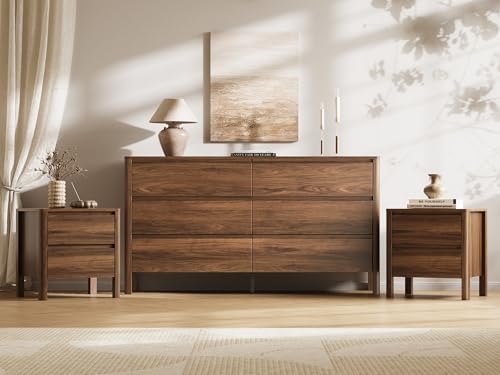
A dresser and two nightstand set is a matched bedroom furniture collection that typically includes one larger dresser for folded clothing and two identical or mirror-image nightstands for bedside essentials. Sets are designed to share the same material, finish, hardware style, and design language, giving the room a cohesive appearance without the guesswork of mixing separate pieces.
Unlike buying a standalone dresser and nightstand set with a single bedside table, a two-nightstand configuration supports a symmetrical layout that suits primary bedrooms, guest rooms, and any space where two sleepers need their own surface for lamps, phones, books, and glasses. The dresser anchors the room's storage, while the pair of nightstands delivers daily convenience on both sides of the bed.
For a broader overview of how these collections differ from other combinations, see the dresser and nightstand sets category guide, which covers one-nightstand, two-nightstand, and multi-piece configurations side by side.
Key Benefits of Buying a Coordinated Set
Visual Symmetry
Two matching nightstands frame the bed evenly, creating a calm, balanced composition that is difficult to achieve when pieces are sourced separately.
Consistent Finish
Every piece shares the same wood tone, paint color, and sheen, so the dresser and nightstands read as one intentional furniture group.
Hardware Continuity
Knobs, pulls, and drawer slides match across all three pieces, which keeps the look coherent and simplifies future replacement parts.
Simplified Shopping
One decision covers three pieces. No color-matching guesswork, no second-guessing proportions, and no mismatched delivery schedules.
Balanced Storage
The dresser handles bulk clothing while the nightstands hold smaller items, producing a storage plan that fits how people actually use a bedroom.
Good Value for the Tier
Sets are commonly well-specified for their class because manufacturers bundle drawer slides, hardware, and finishing across all three pieces.
What to Check Before You Buy
Buyers at the research stage usually know they want a coordinated set but are unsure which specifications actually matter. The checklist below focuses on the details that affect daily use and long-term durability rather than surface appearance alone.
Drawer Construction and Slides
The dresser carries the heaviest storage load, so its drawer construction deserves the most scrutiny. Look for dovetail or box-joint drawer boxes with reinforced bottoms. Drawer slides matter just as much: heavy-duty full-extension drawer slides let the drawer open completely so you can reach the back without digging, and they hold up better when the dresser is filled with folded clothing. Side-mounted roller slides are common on entry-level models, while ball-bearing and undermount slides appear on mid-range and premium sets.
Material and Finish
Solid wood sets sit at the top of the durability scale, particularly oak, maple, and walnut. Engineered wood with quality veneers offers a balanced tier option and resists warping in humid rooms. Check that the finish is consistent across the dresser top and both nightstand tops, since these are the most visible and most handled surfaces. The dresser quality guide explains how to inspect joints, back panels, and edge banding before purchase.
Hardware Quality
Matching dresser knobs and pulls are easy to overlook, but they are the parts you touch every day. Metal hardware with a rust-proof finish lasts longer than plated plastic. Confirm that replacement hardware is available in the same style, which matters if a knob loosens or breaks years later. Our dresser hardware guide covers the common hardware types used across coordinated sets.
Nightstand Height and Proportion
Nightstands should sit at or slightly below mattress height so a lamp and a glass of water are within easy reach. If the set's nightstands are noticeably shorter than your mattress top, consider whether the visual proportion still works with your bed frame. Proportional harmony between the dresser height, nightstand height, and bed is the single most important layout factor.
Drawer Count and Internal Layout
Dressers in coordinated sets usually offer four to six drawers. Think about how you fold and store clothing: deep drawers suit bulky items, shallow drawers suit folded shirts and delicates. The drawer organizers guide explains how to plan internal divisions for socks, underwear, and accessories so the dresser does not become a single crowded space.
Assembly and Delivery
Many sets ship flat-packed and require assembly. Check whether the dresser and both nightstands use the same hardware kit and instructions, and confirm that the assembled dimensions fit your planned layout. Sets that arrive partially assembled reduce setup time and lower the risk of misaligned drawer slides.
Comparing Sets by Market Tier
The table below groups coordinated sets by market position rather than currency. Use it to align your expectations for materials, drawer slides, and hardware with the tier you are considering.
| Tier | Typical Materials | Drawer Slides | Best For |
|---|---|---|---|
| Entry-Level | Engineered wood with paper or thin veneer finish | Side-mounted roller slides | Guest rooms, starter apartments, occasional-use bedrooms |
| Mid-Range | Engineered wood with quality veneer, some solid wood components | Ball-bearing side slides or basic undermount | Primary bedrooms with daily use and moderate storage needs |
| Premium | Solid wood frames with hardwood veneers, dovetail drawer boxes | Full-extension ball-bearing or soft-close undermount | Long-term family bedrooms, buyers who prioritize durability |
| Luxury | Solid hardwood throughout, hand-finished surfaces | Soft-close undermount with premium hardware | High-end primary suites, design-led interiors, long-term investment |
As a rule, moving up one tier typically improves drawer slide smoothness, joint construction, and finish durability. The jump from entry-level to mid-range usually brings the most noticeable day-to-day improvement, while premium and luxury tiers focus on longevity and material quality.
Planning the Layout: Sizes and Clearances
A coordinated set only works if the three pieces fit the room comfortably. Measure the following before you commit to a set:
- Wall width for the dresser: Leave at least 24 inches of walking clearance in front of the dresser so drawers can open fully.
- Space on each side of the bed: Nightstands typically range from 18 to 24 inches wide. Confirm there is room between the mattress edge and the wall for the nightstand plus a small gap.
- Door and closet swing: Make sure the dresser does not block closet doors or room entry, even when a drawer is fully extended.
- Mattress height: Nightstand tops should sit within a few inches of mattress height for comfortable reach.
For rooms with limited floor area, a dresser for small spaces paired with compact nightstands can preserve the coordinated look without overwhelming the room. If the bedroom is long and narrow, a narrow dresser may fit better than a wide model while still matching the nightstands.
Buyers who want a wider storage footprint sometimes move up to a dresser and matching side tables arrangement, which swaps traditional nightstands for slightly larger bedside tables. For rooms where bedside space is generous, that combination can work well, though standard two-nightstand sets remain the most common choice.
Style and Finish Options
Coordinated sets are available across the major bedroom design styles, and choosing a finish that matches your existing room palette is usually more important than following a trend.
Wood Tones
Walnut and oak sets read as warm and traditional, while wood dresser and nightstand sets in lighter finishes suit Scandinavian and coastal interiors. If you prefer a painted look, a white dresser and nightstand set brightens smaller rooms and pairs easily with most bedding colors.
Neutral and Statement Finishes
Grey finishes remain a practical neutral that hides minor scuffs, and a grey dresser and nightstand set works in both modern and transitional bedrooms. For a bolder look, a gold-accented set with metallic hardware can serve as a focal point, while a brown wood set delivers a classic, grounded feel.
Matching the Bed Frame
If your bed frame is a different material, aim for tonal harmony rather than an exact match. A wood set against an upholstered bed works well when the wood tone echoes other wood elements in the room, such as flooring or a bench. The dresser color ideas guide offers palettes for coordinating finishes with bedding and wall colors.
Alternative Configurations to Consider
Not every bedroom suits a standard dresser-plus-two-nightstands arrangement. Depending on the room shape and storage needs, these alternatives may fit better:
- A dresser and matching nightstand pairing for single-occupant bedrooms where one bedside surface is enough.
- A dresser, nightstand, and chest set when you need additional tall storage alongside the dresser.
- A double dresser and nightstand set for larger rooms that can accommodate a wider dresser footprint.
- A dresser and bedside table set when you prefer slightly taller bedside surfaces.
If you are still comparing set structures, the dresser and nightstand overview explains the differences between one-piece and multi-piece collections in more detail.
Care and Maintenance for Coordinated Sets
Because all three pieces share the same finish, caring for them consistently keeps the set looking unified. Dust the dresser and both nightstand tops weekly with a soft, slightly damp cloth, and avoid abrasive cleaners that dull the sheen. Keep the dresser out of direct sunlight where possible, since uneven fading across a matched set is more noticeable than on a single piece.
Check drawer slides every few months and tighten hardware as needed. If a knob loosens on one nightstand, address it promptly so the hardware stays aligned across the set. For deeper cleaning and refinishing guidance, see the dresser restoration resource.
Inside the drawers, use drawer dividers to keep contents organized and reduce the weight shifting that strains slides over time.
Pre-Purchase Checklist
- Measure dresser wall space and confirm 24 inches of drawer clearance
- Verify nightstand height sits at or slightly below mattress top
- Check drawer box construction (dovetail or box joint preferred)
- Confirm drawer slides are full-extension on the dresser
- Inspect finish consistency across dresser and both nightstand tops
- Confirm replacement hardware is available in the same style
- Review assembly requirements and delivery footprint
- Compare the set's tier against your expected years of use
Frequently Asked Questions
A dresser and two nightstand set is a coordinated bedroom furniture collection that includes one dresser and two matching nightstands. These sets are designed to create a cohesive look while providing balanced storage on both sides of the bed.
Measure your bedroom's available wall space, the distance between your bed and walls, and the height of your mattress. Choose a dresser that fits comfortably with walking clearance, and select nightstands that sit at or slightly below mattress height for practical use.
Matching sets offer visual cohesion, consistent materials, and coordinated hardware. They simplify the design process and often provide good value for their tier compared to buying individual pieces separately.
Solid wood sets offer the highest durability and longevity. Engineered wood with quality veneers provides a balanced tier option. Consider the finish, drawer slides, and hardware quality when comparing sets.
Ready to Compare Coordinated Sets?
Browse our recommended dresser and two nightstand sets below, grouped by tier and bedroom size. Every listing includes construction details so you can match a set to your storage needs and room layout.
View Recommended Sets