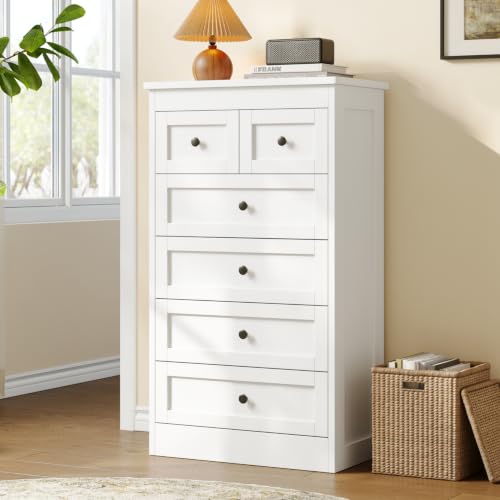
Dressers for Small Spaces: Smart Storage Solutions
Discover how to maximize your bedroom storage without sacrificing style. Expert guidance on narrow, tall, and compact dresser designs built for tight spaces.
EXPLORE THE GUIDEWhy small-space dressers matter: A cramped bedroom doesn't have to mean cluttered chaos. The right compact dresser transforms limited square footage into an organized, breathable retreat. This guide walks you through every dimension, configuration, and design consideration so you can choose a dresser that fits your room perfectly — functionally and aesthetically.
Understanding the Small-Space Dresser Challenge
When floor space is tight, every inch counts. A standard wide dresser that spans six feet across simply won't work in a compact bedroom, studio apartment, or dorm room. The good news: furniture designers have responded with a wide array of dresser options for small spaces that prioritize vertical storage, slim profiles, and clever configurations.
Small-space dressers typically fall into three functional categories. Narrow dressers reduce width to 24–36 inches while maintaining a standard depth, fitting neatly beside a bed or against a short wall. Tall dressers — sometimes called tallboys or highboys — stack drawers vertically, often reaching 48–60 inches, delivering substantial storage in a footprint of just two to three square feet. Compact dressers blend modest width and height for rooms where neither dimension can be generous.
Understanding your room's constraints before shopping is essential. Measure the available wall length, account for door swings and walkway clearance (ideally 30–36 inches), and note ceiling height if you're considering a tall unit. A dresser that fits the wall but blocks a closet door is worse than no dresser at all.
Key Dresser Types for Compact Rooms
Narrow Dressers: Slim Profiles, Maximum Utility
A narrow dresser is the workhorse of small bedrooms. At 24–36 inches wide, these units slip into spaces that wider furniture can't touch — the gap beside a bed, the wall between two doors, or the nook beside a closet. Many narrow dressers offer four to six drawers, providing ample storage for folded clothing and accessories. For rooms with even tighter constraints, a dresser for inside a small closet can turn unused closet floor space into structured storage.
Tall Dressers: Vertical Storage That Works
When floor area is scarce but wall height is available, a tall dresser is the strategic choice. Tall dressers stack five to eight drawers in a footprint of roughly 30 by 18 inches. They're ideal for narrow alcoves, beside windows, or in corners. Safety is paramount: always anchor tall dressers to the wall using anti-tip straps or brackets, especially in households with children or pets.
Compact and Mini Dressers: Small but Mighty
Compact dressers blend moderate width and height, often measuring 36–48 inches wide and 30–42 inches tall. They suit rooms where neither a wide nor a tall unit fits comfortably — think studio apartments, guest rooms, or shared bedrooms. A six-drawer wide dresser in a compact width can deliver surprising capacity without overwhelming the room.
Specialty Solutions: Closet, Dorm, and Dual-Purpose
Some small spaces call for creative approaches. A dorm dresser often doubles as a bedside table, while a dresser for closet installation keeps clothing storage entirely out of the bedroom footprint. For dual-purpose needs, a dresser desk combo or dresser and armoire combo consolidates two furniture functions into one slim footprint.
How to Measure and Choose the Right Size
Selecting the right dresser begins with honest measurement. Follow this practical checklist:
- Wall length: Measure the actual wall space where the dresser will sit. Leave at least 2–3 inches of breathing room on each side so the piece doesn't feel cramped.
- Depth clearance: Standard dressers are 16–20 inches deep. Add 24–30 inches in front for open drawers and comfortable standing room.
- Walkway width: Ensure at least 30 inches of clear path between the dresser and any other furniture or wall.
- Door and window clearance: Confirm the dresser won't block closet doors, room doors, or windows that need to open.
- Ceiling height: If choosing a tall dresser, measure ceiling height and account for any wall-mounted items above.
For a detailed breakdown of standard dimensions, consult our dresser buying guide. If you're working with an especially tight footprint, the dresser for closet approach can free up bedroom floor space entirely.
Drawer Configuration and Storage Efficiency
In a small dresser, drawer layout matters as much as overall dimensions. A unit with four deep drawers offers different utility than one with six shallower drawers. Consider what you store most:
- Deep drawers (8–10 inches): Best for bulky items like sweaters, jeans, and linens.
- Shallow drawers (4–6 inches): Ideal for folded shirts, undergarments, and accessories.
- Mixed configurations: Often the most versatile for small spaces — a few deep drawers for bulk, several shallow drawers for smaller items.
Maximize every drawer with drawer organizers and drawer dividers. These simple inserts transform chaotic drawers into efficient, compartmentalized storage — essential when you have fewer drawers to work with. For specific items, a dresser for socks and underwear setup with dividers keeps small items contained and accessible.
Drawer glide quality also matters in small dressers. Full-extension heavy-duty full-extension drawer slides let you access the entire drawer depth, which is crucial when you can't step back far in a tight room.
Design and Material Considerations for Small Spaces
In a small room, every design choice is amplified. Light-colored finishes — white, natural wood, pale gray — make spaces feel airier and more open. A white dresser and nightstand set can visually expand a compact bedroom while providing coordinated storage. Dark finishes, by contrast, can feel grounding but may visually shrink a tight room.
Material choice affects both durability and visual weight. Solid wood dressers offer long-term durability and can be refinished if your style evolves. Engineered wood and laminate options provide solid construction at entry-level and mid-range tiers, making them a practical choice for renters or temporary setups. For a deeper dive into materials, see our dresser quality guide.
Hardware plays a subtle but important role. Sleek, low-profile dresser handles and dresser knobs reduce visual clutter and prevent snagging in tight walkways. Consider drawer pulls that sit flush or recessed for the cleanest small-space look.
Comparison: Small-Space Dresser Types at a Glance
| Dresser Type | Typical Width | Best For | Tier Consideration |
|---|---|---|---|
| Narrow Dresser | 24–36 inches | Beside beds, short walls, gaps between doors | Entry-level to premium tiers widely available |
| Tall Dresser | 28–36 inches | Corners, alcoves, rooms with limited floor area | Mid-range to luxury tiers offer best stability features |
| Compact Dresser | 36–48 inches | Studio apartments, guest rooms, shared bedrooms | Balanced tier offers best feature-to-footprint ratio |
| Closet Dresser | Varies (built-in) | Freeing bedroom floor space entirely | Essential tier modular units work well |
| Dual-Purpose Combo | Varies | Desk combos, armoire combos, nightstand hybrids | Top-tier models offer smoothest mechanisms |
Organization Strategies for Small Dressers
Owning a small dresser means organizing with intention. Fewer drawers demand smarter contents. Start by decluttering: remove items you haven't worn in a year, and store out-of-season clothing elsewhere. Then apply these strategies:
- Fold vertically: The file-folding method lets you see every item at a glance, reducing drawer depth requirements.
- Use dividers: Drawer dividers keep categories separate and prevent the dreaded "everything drawer."
- Rotate seasonally: Store bulky winter items under the bed or in a closet during warmer months.
- Utilize the top: The dresser surface is prime real estate — use it for a mirror, lamp, or small dresser drawer jewelry organizer tray.
For more ideas, explore our dresser organization ideas and dresser organization guide. A well-organized small dresser often holds more usable storage than a poorly organized large one.
Frequently Asked Questions
What is the best dresser size for a small bedroom?
For most small bedrooms, a dresser 30–42 inches wide and 30–48 inches tall offers the best balance of capacity and floor-space efficiency. Always measure your specific wall and walkway clearance before choosing.
Are tall dressers safe in small spaces?
Yes, provided they are properly anchored to the wall. Tall dressers should always include or be fitted with anti-tip hardware. This is especially important in tight rooms where the dresser may be brushed against or used for support.
Can I use a dresser in a closet instead of the bedroom?
Absolutely. A dresser placed inside a walk-in or reach-in closet can free up significant bedroom floor space. Measure your closet depth carefully — standard dressers are 16–20 inches deep, so the closet must be at least 24 inches deep to allow drawer access.
How many drawers do I need in a small dresser?
Most small-space users find four to six drawers sufficient for a single person's folded clothing. If you share the dresser, prioritize units with mixed drawer depths and use dividers to maximize efficiency.
What finishes work best in small rooms?
Light finishes — white, pale gray, natural wood — reflect light and make rooms feel larger. Mirrored or glass-front dressers can also create an illusion of space, though they require more frequent cleaning.
Ready to Find Your Perfect Small-Space Dresser?
Browse our curated selection of compact, narrow, and tall dressers designed for tight bedrooms. Every recommendation is chosen for quality, functionality, and space efficiency.
VIEW RECOMMENDED DRESSERS