Dresser for Closet: Smart Storage Solutions & Buying Guide
Moving a dresser into your closet can transform how you store clothing, free up bedroom floor space, and create a more organized daily routine. This guide explains how to choose the right dresser for walk-in closets, reach-in closets, and compact spaces, with practical measurements and layout advice for every household.
Why a closet dresser makes sense: A dresser inside the closet keeps folded clothing, accessories, and delicates close to where you get dressed. It reduces clutter in the bedroom, shortens your morning routine, and lets you dedicate bedroom furniture to rest and relaxation rather than storage.
Why Place a Dresser Inside the Closet?
Closets are often underused vertical spaces. Adding a dresser turns unused wall area into functional storage and can solve common bedroom layout problems. For households with limited bedroom square footage, a closet dresser is a practical alternative to a large freestanding unit beside the bed. If your bedroom is already tight, explore broader dresser options for small spaces to compare approaches.
The main advantages of a closet dresser include:
- Consolidated storage: Folded clothing, undergarments, and accessories sit in one dedicated zone instead of scattered across multiple rooms.
- Freed bedroom floor space: Removing a bulky unit from the bedroom opens up walking paths and makes the room feel larger.
- Better privacy: Closet doors conceal personal items and keep the sleeping area visually calm.
- Improved daily flow: Getting dressed becomes a single-stop routine when everything lives in one place.
- Protection from light and dust: Closets shield clothing and wood finishes from direct sunlight and airborne dust.
For a broader look at pairing storage pieces, see how a dresser closet combo can be planned alongside hanging rails and shelving.
How to Measure Your Closet Before Buying
Accurate measurements prevent the most common closet dresser mistakes: drawers that cannot open, doors that strike the unit, and walkways that feel cramped. Follow these steps before comparing models.
- Measure wall length: Record the full length of the wall where the dresser will sit, then subtract space needed for door swings and any hanging sections.
- Measure depth clearance: Add the dresser depth to the fully extended drawer depth. You need at least 24 inches of clear floor space in front of the unit for comfortable access.
- Check doorway width: Confirm the unit can pass through the closet doorway, especially in reach-in closets with narrow openings.
- Note hanging rail height: Long garments need up to 60 inches of hanging height. Ensure the dresser height does not interfere with rails or shelving above.
- Account for baseboards and outlets: Leave a small gap behind the unit for baseboards and avoid blocking electrical outlets.
If your closet is unusually tight, a dresser for inside a small closet guide can help you narrow down compact configurations.
Best Dresser Types for Closet Layouts
The right type depends on the closet shape and how much hanging space you want to preserve. The table below summarizes common options by tier and best use.
| Dresser Type | Typical Width | Best For | Quality Tier |
|---|---|---|---|
| Narrow reach-in dresser | 24–36 inches | Small closets with limited wall length | Entry-level to mid-range |
| Standard 6-drawer dresser | 48–60 inches | Walk-in closets with a dedicated storage wall | Mid-range |
| Double-sided dresser | 48–72 inches | Island placement in large walk-in closets | Premium to luxury |
| Tall chest | 30–40 inches | Narrow closets needing vertical storage | Mid-range to premium |
| Lingerie chest | 18–24 inches | Accessories, jewelry, and small items | Entry-level to mid-range |
For generous walk-in spaces, a double-sided dresser for a walk-in closet creates an island that serves two sides of the room at once. A double-sided dresser also works well when the closet is wide enough to leave clearance on both sides.
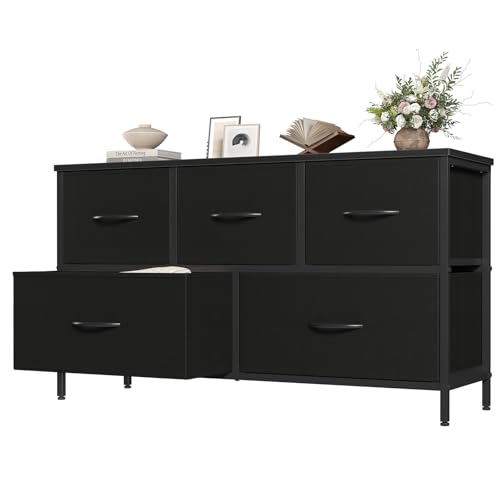
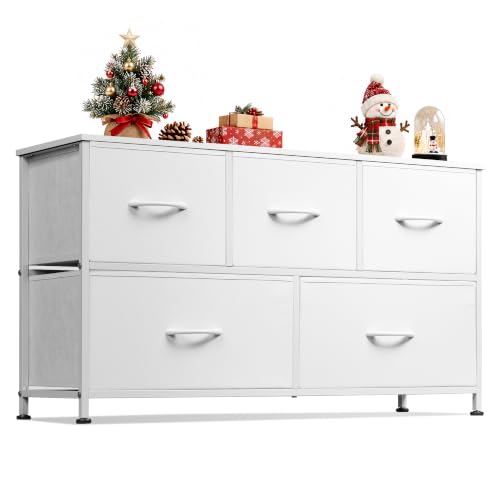
In compact closets, a dresser for small spaces or a tall vertical chest preserves floor area. If your closet has a long, shallow wall, a double wide dresser can fill the length without projecting too far into the walkway.
Drawer Count and Configuration
Drawer count matters more in a closet than in a bedroom because the unit often replaces an entire storage wall. Consider how you fold and sort clothing before choosing a configuration.
- 3 to 4 drawers: Suitable for accessories, workout wear, and a small wardrobe. Often used in reach-in closets.
- 5 to 6 drawers: The most versatile configuration for walk-in closets, balancing folded clothing and bulky items.
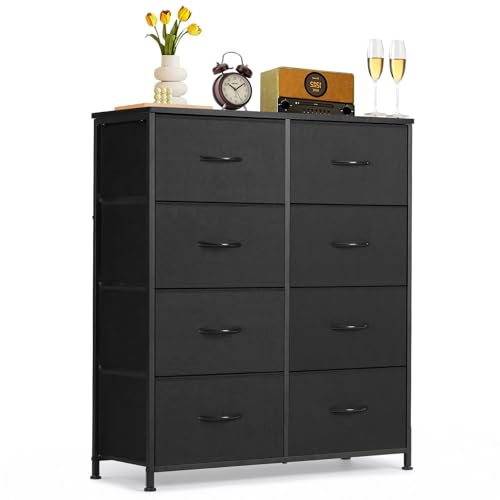
- 8 to 9 drawers: Best for shared closets or households with extensive folded clothing collections.
Combine drawer counts with internal organizers. A drawer organizer set keeps socks, undergarments, and accessories separated, while drawer dividers help maintain neat rows of folded shirts. For jewelry and small valuables, a dresser drawer jewelry organizer adds a dedicated compartment inside the unit.
If your closet dresser will hold specific categories of clothing, consider a dresser for socks and underwear layout with shallow top drawers and deeper lower drawers. A drawer unit with 9 drawers in white offers a high-capacity option for shared spaces.
Materials and Finishes for Closet Environments
Closets can be humid, poorly ventilated, or exposed to temperature swings. Choose materials that resist warping and maintain their finish over time.
- Solid wood: Durable and repairable, with a long service life. Premium and luxury tiers often use solid hardwood construction.
- Engineered wood with veneer: Stable in fluctuating humidity and a common mid-range choice. Look for sealed edges to prevent moisture ingress.
- Laminate and melamine: Easy to clean and resistant to scratches. Entry-level to mid-range models frequently use these surfaces.
- Metal: Lightweight and resistant to moisture, often used for utility closets or rental-friendly setups.
Hardware quality affects daily usability. Soft-close heavy-duty full-extension drawer slides allow full access to the back of each drawer, which matters in tight closets where you cannot step back. Upgrading dresser knobs or dresser handles is a straightforward way to refresh an existing unit, and a dresser hardware guide explains how to match pulls to drawer style. For a broader material comparison, review the dresser quality guide.
Layout Ideas for Walk-In and Reach-In Closets
Placement determines how usable the dresser feels day to day. The following layouts work well in most homes.
Walk-In Closet Layouts
- End-wall placement: Position the dresser on the short wall opposite the entrance. This creates a focal point and leaves the long walls free for hanging rails.
- Island configuration: In large closets, a double-sided dresser in the center provides storage on both sides and separates zones for two users.
- Under-shelf placement: A low, wide dresser fits beneath a shelf of folded linens, using vertical space efficiently.
- Corner placement: Corner units make use of awkward angles, though confirm drawers can open without striking adjacent walls.
Reach-In Closet Layouts
- Single-wall dresser: Replace a section of hanging rail with a narrow dresser to balance folded and hanging storage.
- Stacked vertical storage: A tall chest uses height instead of width, leaving the remaining wall for a short hanging section.
- Removable or rolling unit: A compact rolling dresser can be pulled out for access and pushed back when not in use.
For more inspiration, browse dresser organization ideas to plan drawer contents before the unit arrives.
Common Mistakes to Avoid
- Skipping the drawer-swing test: Always measure the extended drawer depth plus clearance before committing to a size.
- Blocking ventilation: Leave a small gap behind the unit so air can circulate and prevent moisture buildup.
- Overlooking lighting: A closet dresser in a dark corner is hard to use. Add battery-powered or wired lighting above the unit.
- Ignoring door swing: Confirm the closet door and the dresser drawers do not collide when both are open.
- Choosing depth over function: A deep dresser that blocks the walkway is less useful than a shallower unit with well-organized drawers.
Frequently Asked Questions
What size dresser fits inside a walk-in closet?
A walk-in closet typically accommodates a dresser up to 60 inches wide, provided a clear walkway of at least 24 to 30 inches remains. Measure the available wall length and subtract clearance for doors, drawers, and hanging garments before choosing a model.
Is a dresser or a closet organizer better for clothing storage?
A dresser suits folded items, delicates, and accessories, while hanging organizers handle longer garments. Many households benefit from combining both, using a closet dresser for everyday items and a hanging section for formal wear.
Can a dresser be placed inside a small reach-in closet?
Yes, provided you select a narrow model, often 24 to 36 inches wide and 15 to 18 inches deep. Measure the doorway swing and leave room to open drawers fully without blocking access.
What drawer depth works best for closet dressers?
Deeper drawers of 16 to 18 inches suit bulky knitwear and linens, while shallower 12 to 14 inch drawers work well for accessories and folded shirts. A mix of both depths often provides the most flexible storage.
Should the dresser match the closet shelving finish?
Matching finishes create a cohesive look, but contrast also works well in larger closets. Prioritize material durability and drawer function over exact color matching, especially in humid or poorly ventilated spaces.