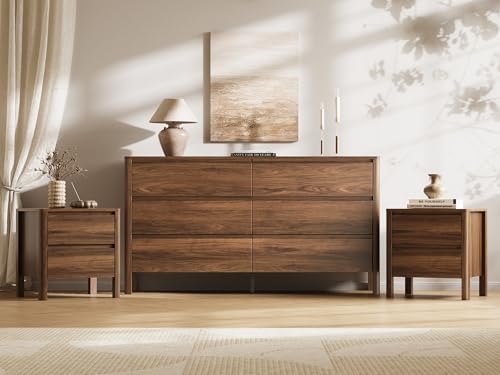
Dresser, Nightstand & Chest Set: Complete Buying Guide
Everything you need to know before investing in a coordinated bedroom storage set. Compare piece types, sizing, materials, and layout strategies so your dresser, nightstand, and chest work together as one smart storage system.
Start the GuideWhy buy as a set? A dresser, nightstand, and chest set solves three storage problems at once: folded clothing, bedside essentials, and overflow items. When the pieces share a finish and hardware family, the bedroom feels intentional rather than pieced together. This guide walks you through each piece, how to size them for your room, and how to avoid the most common buying mistakes.
What Is Included in a Dresser, Nightstand & Chest Set?
A coordinated bedroom storage set typically bundles three complementary furniture pieces. Each piece has a distinct role, and understanding that role helps you judge whether a particular set fits your lifestyle.
The Dresser
A wide, lower-profile piece with three to six drawers. It is the primary home for folded clothing, linens, and everyday items. Because the top surface is generous, it often doubles as a display or grooming station. Explore dresser and nightstand set options to see how the dresser anchors the collection.
The Nightstand
A compact bedside table with one to three drawers or a drawer-plus-shelf layout. It holds essentials within arm's reach: reading material, chargers, glasses, and a lamp. Matching nightstands on both sides of the bed create visual balance. See dresser and two nightstand set configurations for symmetry.
The Chest of Drawers
A taller, narrower piece with four to six stacked drawers. It adds vertical storage without consuming much floor space, making it ideal for smaller rooms or for separating his-and-hers clothing. Compare dresser and chest of drawers pairings to balance width and height.
How to Size Each Piece for Your Bedroom
Measurements matter more than style. A beautiful set that blocks a doorway or crowds the bed will feel wrong every day. Start with these practical benchmarks, then confirm with a dresser buying guide for deeper dimension details.
| Piece | Typical Width | Best For | Clearance to Leave |
|---|---|---|---|
| Dresser | Wide, wall-anchoring footprint | Folded clothing, linens, display top | 30 inches in front of drawers |
| Nightstand | Compact, bedside footprint | Lamp, chargers, bedside essentials | Within arm's reach of mattress |
| Chest of Drawers | Tall, narrow footprint | Vertical overflow storage | 30 inches drawer pull clearance |
Walkway space is the most overlooked factor. Aim for at least 30 inches of clear floor between the foot of the bed and any dresser or chest. If your room is tight, a dresser options for small spaces approach may mean choosing a narrower chest and skipping the wide dresser entirely.
Materials, Build Quality, and Longevity
Set construction quality determines how the pieces hold up over years of daily opening and closing. Use these universal tier descriptors to compare options without relying on fluctuating market figures.
- Entry-level tier: Engineered wood panels with basic drawer slides. Suitable for guest rooms, dorms, or temporary setups. Expect a lighter feel and simpler hardware.
- Mid-range tier: Solid wood fronts or thicker veneers with smoother metal slides and reinforced drawer boxes. A balanced choice for primary bedrooms used daily.
- Premium tier: Solid hardwood frames, dovetail joinery, soft-close slides, and durable finishes. These sets are built as long-term investments and often show finer detailing.
- Luxury tier: Hand-finished hardwoods, custom hardware, and furniture-grade craftsmanship. Reserved for buyers prioritizing heirloom durability and bespoke design.
Finish consistency across the set matters visually. Review a dresser quality guide before committing, and check whether drawer hardware is included or sold separately. Hardware swaps are an easy way to refresh a set later — browse dresser hardware and dresser knobs to personalize the look.
Coordinating Style Across All Three Pieces
A matched set does not have to mean identical silhouettes. In fact, the strongest bedroom layouts often pair a low wide dresser with a tall chest and simple nightstands, unified by finish and hardware rather than shape.
Finish Family
Stick to one wood tone or paint color across the set. A white dresser and nightstand set in white reads clean and airy, while a wood dresser and nightstand set brings warmth. Grey tones suit modern and transitional rooms.
Hardware Language
Repeated pulls and knobs tie mismatched silhouettes together. If the dresser uses bar pulls, keep the chest and nightstands in the same family. Consistent hardware is one of the most affordable ways to make a set feel deliberate.
Proportion Balance
Place the tallest piece — usually the chest — against a solid wall. Keep the dresser lower and wider to avoid visual heaviness. Nightstands should be close in height to the mattress top for comfortable use.
For color direction, review dresser color ideas and compare grey dresser and nightstand set options if you want a neutral palette that adapts to future decor changes.
Bedroom Layout Strategies for a Three-Piece Set
Placement determines how usable the set feels. The goal is a clear path from bed to dresser to closet without stepping around furniture.
- Symmetry-first layout: Match nightstands on both sides of the bed, then anchor the dresser on the longest uninterrupted wall. Add the chest in a corner or beside the closet. This is the most common and reliable arrangement.
- Zoned layout: Group the dresser and chest together as a storage wall, leaving the nightstands to handle the bedside zone. This works well in rectangular rooms where one wall is naturally dominant.
- Compact layout: Use a single nightstand and a narrow chest in smaller rooms. Consider a dresser and armoire combo if hanging space is also needed.
- Closet-adjacent layout: Place the chest inside or beside a walk-in closet as a dedicated accessory station, and keep the dresser and nightstands in the main bedroom zone.
If you want to refine the arrangement further, explore dresser and matching side tables for alternative bedside pairings, or dresser and bedside table set options for a more relaxed, less formal look.
Organizing Inside Your Dresser, Nightstand, and Chest
The best set is the one you can keep organized. Assign each piece a clear role before filling drawers.
- Dresser: Folded shirts, jeans, and linens in the wide drawers. Use dividers to separate categories and keep the top surface intentional.
- Nightstand: One drawer for chargers and small electronics, one shelf for books. Keep a small tray on top for glasses and keys.
- Chest: Reserve for out-of-season clothing, spare bedding, or overflow categories. Taller drawers work well for stacked items.
Drawer dividers make a noticeable difference. Review the drawer dividers guide and drawer organizers to plan interior layout, and consult dresser organization ideas for category-based folding systems.
Common Mistakes to Avoid When Buying a Set
- Buying before measuring. Confirm wall width, doorway clearance, and drawer pull space first. A buying guide can walk you through the numbers.
- Mismatched scale. A very tall chest beside a very low dresser can look unbalanced unless the room has plenty of vertical breathing room.
- Ignoring drawer glide quality. Weak slides are the first thing to fail in daily use. Mid-range and premium tiers typically offer noticeably smoother mechanisms.
- Overlooking hardware continuity. Inconsistent pulls break the visual connection between pieces. Review dresser drawer pulls to plan a consistent look.
- Skipping a tape walk-through. Mark furniture footprints on the floor with painter's tape before ordering to confirm walkways and door swings.
Frequently Asked Questions
What is included in a dresser, nightstand and chest set?
A coordinated bedroom set typically includes a wide dresser for folded clothing, one or two nightstands for bedside essentials, and a taller chest of drawers for additional vertical storage. Some collections also add a mirror or bench.
Do all three pieces need to match exactly?
Exact matching is optional. Many buyers prefer a shared finish and hardware family while letting the dresser and chest differ in height and drawer count. This keeps the room cohesive without looking like a showroom catalog.
How do I choose the right size for my bedroom?
Measure wall space, walkway clearance, and door swing first. Leave at least 30 inches of walking space in front of drawers and keep nightstands within arm's reach of the mattress. A size guide can help you match dimensions to your floor plan.
Can I mix a dresser, nightstand, and chest from different collections?
Yes. The most reliable approach is to unify the pieces with one finish family and one hardware style. If silhouettes differ, keep heights staggered so the tallest piece sits against a solid wall and the lowest piece anchors the longest wall.
Should I buy a set with a mirror included?
A mirror is a practical addition if the dresser doubles as a grooming station. Check whether the mirror attaches to the dresser frame or mounts separately, and confirm the mounting height works for the people using it.
Ready to Compare Coordinated Sets?
Review the recommended dresser, nightstand, and chest sets below to see which collections match your room size, storage needs, and preferred style. Each listing highlights tier and feature differences so you can shortlist with confidence.
View Recommended Sets