White Wood Chest of Drawers: The Complete Buying Guide
Everything you need to know before choosing a white wood chest of drawers — from wood species and finish durability to drawer count, hardware, and room placement. Make a confident, informed purchase.
Why a white wood chest of drawers? A white finish brightens a room, reflects natural light, and pairs effortlessly with nearly every color palette. Wood construction adds warmth and longevity that all-white manufactured pieces often lack. This guide walks you through the key decisions so you can match a chest to your space, storage needs, and design style.
What Defines a White Wood Chest of Drawers?
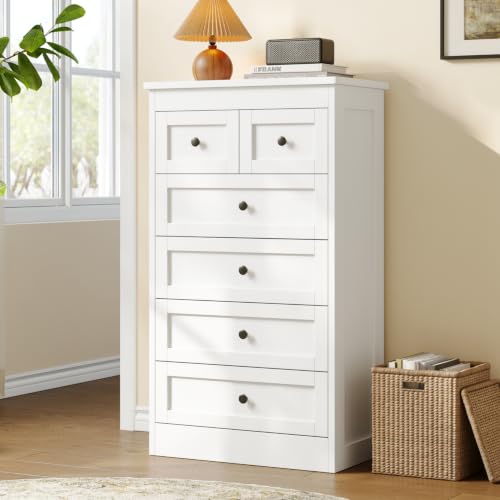
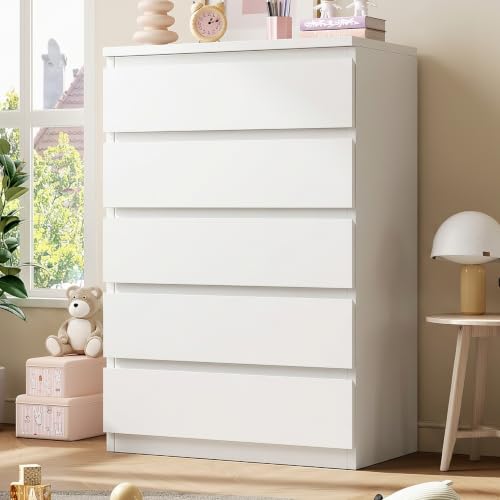
A white wood chest of drawers is a vertical storage piece built primarily from wood or wood composites, finished in white paint, lacquer, or whitewash. Unlike a wide dresser, a chest is typically taller than it is wide, with drawers stacked in a single column or two narrow columns. This vertical orientation makes chests ideal for bedrooms with limited floor space but available wall height.
The term "wood" can mean solid hardwood (oak, maple, pine, walnut) or engineered wood (MDF, particleboard) with a white veneer or painted finish. Each option has trade-offs in durability, weight, and how well the surface holds up over time. Understanding these differences is the first step toward a smart purchase.
Why Choose a White Finish?
White furniture has enduring appeal for practical and aesthetic reasons:
- Brightens the room: White reflects light, making small or north-facing bedrooms feel larger and airier.
- Versatile styling: A white chest works in farmhouse, coastal, Scandinavian, modern, and transitional interiors. It pairs equally well with warm wood tones and cool grays.
- Easy to refresh: White surfaces can be repainted or touched up more easily than dark stained wood, extending the piece's life.
- Clean visual line: White blends into walls, reducing visual clutter in compact spaces.
If you prefer a softer, more textured look, a whitewash dresser reveals subtle wood grain through the finish — a popular choice for coastal and rustic bedrooms.
Wood Types and What They Mean for Durability
The wood species (or composite) behind the white finish largely determines how the chest ages, how much it weighs, and whether it can be refinished later.
Solid Hardwood
Oak, maple, and birch are dense hardwoods that resist dents and hold screws tightly — important for drawer glides and structural joints. A white oak dresser offers visible grain texture under the finish and is among the most durable options. Solid hardwood chests are heavier and typically sit in the premium or luxury tier.
Pine and Softwood
Pine is lighter and softer than oak or maple. It dents more easily, but it also accepts paint beautifully and gives a relaxed, cottage feel. A white-painted pine chest suits farmhouse and casual interiors. Expect mid-range durability.
Engineered Wood (MDF, Particleboard)
Engineered wood with a white lacquer or veneer finish offers a smooth, uniform surface and stable construction at a lighter weight. Quality varies widely: denser MDF cores hold hardware better than low-density particleboard. Entry-level and mid-range chests commonly use engineered wood, while top-tier pieces use it only for concealed interior components.
| Wood Type | Durability Tier | Best For |
|---|---|---|
| Solid Oak / Maple | Premium to luxury | Long-term investment, high-traffic bedrooms |
| Pine / Softwood | Mid-range | Farmhouse and cottage styles, lighter weight |
| MDF with white lacquer | Entry to mid-range | Smooth modern finishes, stable in humid rooms |
| Particleboard with veneer | Entry-level | Starter tier for guest rooms or temporary setups |
White Finish Options: Paint, Lacquer, and Whitewash
Not all white finishes are equal. The finish affects sheen, cleanability, and how the piece ages.
- Painted finish: Matte or satin paint that can be touched up. Common on farmhouse and cottage chests. Look for a sealed topcoat to resist stains.
- Lacquer finish: A smooth, durable coating with a slight sheen. A white lacquer chest of drawers offers a modern, reflective surface that wipes clean easily — a strong choice for contemporary bedrooms.
- Whitewash: A thin, semi-transparent finish that lets grain show through. More rustic in character; less resistant to moisture than lacquer.
- High-gloss: A white gloss dresser delivers a polished, reflective look. Gloss finishes show fingerprints more readily, so they suit adult bedrooms better than children's rooms.
Drawer Count and Layout: How Much Storage Do You Need?
Chests typically range from three to six drawers. The right number depends on how many people use the piece and what you plan to store.
- Three drawers: A white modern 3 drawer dresser suits a guest room, a child's room, or a single adult with a capsule wardrobe. Compact footprint, easy to place against a short wall.
- Four drawers: A balanced middle ground — often two small top drawers for accessories and two deep lower drawers for folded clothing.
- Five to six drawers: Generous storage for couples. Look for a white tall dresser with deep drawers if you store bulky items like sweaters or linens.
- Lingerie chests: A white lingerie chest of drawers stacks five to seven shallow drawers in a narrow column — ideal for small bedrooms and organized accessory storage.
Also consider drawer depth and interior dimensions. A chest with deep bottom drawers and shallow top drawers offers more flexibility than one with uniformly shallow drawers. Soft-close glides, found on many mid-range and premium models, reduce noise and wear — a worthwhile feature if the chest sits near a sleeping area.
Hardware: Knobs, Pulls, and Accents
Hardware is the easiest way to shift a white chest's style. The right pairing can make a simple piece look custom.
- Gold and brass: A white dresser with gold handles or a white dresser with brass hardware adds warmth and a touch of glamour. Popular in modern and transitional bedrooms.
- Black: A white dresser with black knobs creates crisp contrast — a hallmark of Scandinavian and modern farmhouse styling.
- Silver and nickel: A white dresser with silver hardware keeps the look cool and contemporary.
- Crystal: A white dresser with crystal knobs leans elegant and feminine, often used in guest rooms and dressing areas.
- White-on-white: A white dresser with white knobs creates a seamless, minimalist appearance.
If you plan to swap hardware later, check that drawer fronts are thick enough to support new screws and that existing hole spacing matches standard pull sizes.
Style Directions for a White Wood Chest
White is a blank canvas, so the style comes from silhouette, hardware, and detailing.
- Modern: Clean lines, flat drawer fronts, minimal hardware. A white modern dresser pairs well with platform beds and neutral bedding.
- Mid-century: Tapered legs, angled drawer pulls, and a low profile. A white mid-century dresser adds retro character without heaviness.
- Farmhouse: Beadboard panels, cup pulls, and a slightly distressed finish. A white farmhouse chest of drawers anchors a cozy, layered bedroom.
- Rattan and texture: A white rattan dresser or white wicker dresser introduces natural texture and a breezy, coastal feel.
- Mirrored: A white mirrored dresser combines reflective panels with a white frame for a glamorous, light-enhancing effect.
Two-Tone Options: White Base with a Wood Top
A white chest with a contrasting wood top adds visual interest and protects the surface from wear. Options include:
- White chest of drawers with wooden top — a warm, natural contrast that softens an all-white piece.
- White dresser with natural wood top — emphasizes the grain and suits organic-modern interiors.
- White dresser with dark wood top — a high-contrast look that reads as deliberate and tailored.
- White dresser with light wood top — subtle and airy, ideal for Scandinavian and coastal rooms.
Size and Placement: Fitting the Chest to Your Room
Measure before you buy. A chest needs clearance for drawer extension — typically at least 24 to 30 inches of open floor space in front. Also account for baseboards and door swing.
- Small bedrooms: A white small dresser for bedroom or a narrow vertical chest keeps floor space open.
- Closets: A white small dresser for closet can turn unused closet depth into folded-storage space.
- Tall rooms: A white tall dresser uses vertical wall space efficiently and draws the eye upward.
- Wide walls: A white wide dresser or white double dresser fills a long wall and provides generous surface area.
For safety, anchor tall chests to the wall with the included anti-tip kit — especially in children's rooms and nurseries. A white chest of drawers for nursery should always be secured, and drawer stops should prevent full extension.
Building a Coordinated Bedroom Set
A chest rarely stands alone. Matching or complementary pieces create a cohesive room:
- White dresser and matching nightstand — the most common pairing for a balanced bedroom layout.
- White dresser and nightstand set — a coordinated purchase that guarantees matching finish and hardware.
- White dresser and matching desk — useful in a dual-purpose guest room or teen bedroom.
- White dresser with mirror — adds a grooming station and reflects light.
- White dresser with open shelves — combines closed storage with display space.
What to Check Before You Buy
- Drawer glides: Metal ball-bearing or soft-close glides last longer than plastic rollers. Test the smoothness of extension if shopping in person.
- Joinery: Dovetail joints on drawer boxes signal higher quality than stapled or nailed construction.
- Back panel: A solid or thick back panel adds structural rigidity and keeps the chest square over time.
- Finish sealing: Painted surfaces should have a sealed topcoat to resist moisture and stains.
- Anti-tip hardware: Confirm the chest ships with a wall-anchoring kit.
- Assembly: Flat-pack chests save on shipping but require careful assembly. Pre-assembled or partially assembled pieces reduce setup time.
Ready to Compare White Wood Chests?
Browse our curated selection of white wood chests of drawers and find the right fit for your bedroom, nursery, or guest room.
Explore OptionsFrequently Asked Questions
What is the difference between a white wood chest of drawers and a dresser?
A chest of drawers is typically taller and narrower with drawers stacked vertically, while a dresser is usually wider and lower, often with a mix of drawer sizes. Both serve similar storage purposes, but chests work well in compact spaces.
How many drawers should a white wood chest of drawers have?
Most white wood chests range from three to six drawers. A three-drawer model suits small spaces or clothing for one person, while five or six drawers offer generous storage for couples or larger wardrobes.
What wood types are best for a white chest of drawers?
Solid oak, pine, maple, and engineered wood with a white finish are common choices. Solid wood offers durability and can be refinished, while engineered wood provides stability and a smooth painted surface.
Is a white chest of drawers suitable for a nursery?
Yes, provided it is anchored to the wall and has drawer stops. A white chest fits most nursery palettes, and matching pieces like a white chest of drawers for nursery or a white changing table dresser keep the room cohesive.
How do I keep a white finish looking fresh?
Dust regularly with a soft cloth and wipe spills promptly. Avoid abrasive cleaners. For painted finishes, keep a small touch-up kit on hand. Lacquer and gloss surfaces wipe clean most easily.