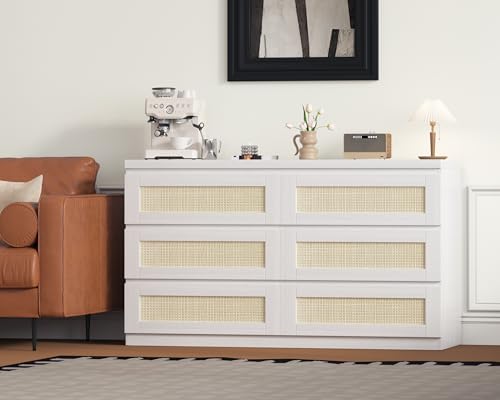
White Wicker Dresser: Complete Guide to Woven Bedroom Storage
A white wicker dresser brings airy texture, cottage charm, and practical storage to any bedroom. This guide covers styles, construction, drawer capacity, care routines, and how to choose a woven dresser that fits your space and needs.
What Is a White Wicker Dresser?
A white wicker dresser is a chest of drawers wrapped in woven material — typically rattan, willow, reed, or synthetic resin — finished in white or off-white. Unlike solid wood dressers, wicker pieces use a woven surface over a frame, which gives them a distinctive textured look and a lighter visual weight. That makes them especially appealing in bedrooms where you want storage without a heavy, blocky presence.
White wicker dressers sit at the intersection of style and function. The white finish keeps the piece bright and versatile, while the woven surface adds depth and a handcrafted feel. Depending on the build, a white wicker dresser can work as a standalone statement piece, a nursery staple, or a compact closet organizer. If you are comparing woven options with other compact designs, our white small dresser for closet guide offers useful context on fitting storage into tight spaces.
Why Choose a White Wicker Dresser?
There are several practical reasons buyers gravitate toward white wicker dressers:
- Visual lightness: White finishes and open weaves make a room feel brighter and less crowded, which matters in smaller bedrooms.
- Textural interest: Woven surfaces add dimension that flat-painted wood cannot match, so the dresser becomes a decorative element on its own.
- Style flexibility: White wicker fits coastal, cottage, farmhouse, boho, and even transitional interiors with minimal effort.
- Ventilation: Woven sides allow air movement, which helps prevent mustiness in clothing stored for long periods.
- Lighter weight: Most wicker dressers are easier to move than solid wood equivalents, useful for renters and frequent rearrangers.
That said, wicker is not the right choice for every buyer. If you prioritize maximum load capacity or heavy-duty construction, a solid wood chest of drawers for bedroom may serve you better. The key is matching the material to how you actually use the furniture.
Wicker Materials: Natural vs. Synthetic
Not all white wicker dressers are built the same way. The material underneath the white finish has a major impact on durability, maintenance, and how the piece ages.
Natural Wicker (Rattan, Willow, Reed)
Natural wicker uses plant-based materials woven over a frame. It offers an authentic handcrafted look and a warm texture that synthetic options struggle to replicate. However, natural wicker is more sensitive to humidity and dry air. It can crack in very dry climates and may develop mold in damp conditions. A white-painted natural wicker dresser needs occasional touch-ups to keep the finish even.
Synthetic Resin Wicker
Synthetic wicker is made from extruded resin or plastic strands woven in the same patterns. It is more weather-resistant, easier to clean, and holds a white finish more consistently over time. For a bedroom, synthetic wicker is often the more practical choice because it resists moisture from humidifiers and temperature swings. It is also typically lighter and more consistent in color.
Hybrid Construction
Many mid-range white wicker dressers combine a solid wood or engineered wood frame with a woven exterior and wood drawer boxes. This hybrid approach balances structural strength with the woven aesthetic. When evaluating a hybrid piece, check the drawer box material and the joinery — those are the parts that determine long-term durability. Our solid wood vs engineered comparison explains the trade-offs in more detail.
Popular White Wicker Dresser Styles
Cottage and Coastal
The classic white wicker dresser pairs a bright white finish with airy woven panels and simple hardware. Cottage and coastal styles often feature rounded edges, lattice detailing, and a slightly distressed finish. These pieces work beautifully in light-filled bedrooms with linen bedding and natural textures.
Boho and Global
Boho interiors embrace texture, and white wicker fits naturally. Look for dressers with oversized woven patterns, mixed materials like wood tops or rattan pulls, and a more relaxed silhouette. A white wicker dresser with a contrasting wood top can anchor a boho bedroom without feeling heavy. Our white dresser with light wood top guide covers this combination in depth.
Farmhouse and Shabby Chic
White wicker pairs well with farmhouse decor when the weave is tighter and the hardware is simple. Shabby chic leans toward distressed white finishes and softer, more romantic detailing. Either way, the goal is a piece that feels collected rather than mass-produced.
Modern and Transitional
Contemporary white wicker dressers use cleaner lines, tighter weaves, and minimal hardware. These pieces work in modern bedrooms where texture replaces ornamentation. If your room leans modern, look for a dresser with a straight silhouette and a crisp white finish rather than ornate curves.
White Wicker Dresser Sizes and Configurations
White wicker dressers come in several configurations. The right one depends on your room dimensions and how much clothing you need to store.
Three to Four Drawers
Compact three- and four-drawer white wicker dressers suit smaller bedrooms, guest rooms, and closets. They typically measure around 30 to 40 inches wide and work well as a secondary storage piece. If you need a narrow footprint, a small white dresser in a woven finish can fit where a full-size chest cannot.
Five to Six Drawers
Five- and six-drawer models are the most common full-size white wicker dressers. They offer a balance of drawer depth and surface area for a lamp, mirror, or decorative items. A white wicker dresser 6 drawer configuration is a practical choice for a primary bedroom or a shared kids' room.
Tall and Lingerie Chests
Tall white wicker chests stack more drawers in a smaller footprint, which is useful in narrow rooms. Lingerie chests, with their slim profiles and many shallow drawers, are ideal for jewelry, accessories, and folded delicates. Browse our white lingerie chest of drawers guide for more detail on this format.
Wide and Double Dressers
Wide white wicker dressers provide generous surface area and are often used as a focal point in larger bedrooms. A white double dresser offers two columns of drawers and works well under a large mirror or piece of art.
Storage Capacity and Drawer Organization
A white wicker dresser is only as useful as its drawers. Before buying, consider what you plan to store and how the drawer layout supports it.
Drawer Depth and Glide Quality
Shallow drawers suit folded shirts, accessories, and delicates. Deep drawers handle sweaters, jeans, and linens. Drawer glides matter just as much as drawer size — smooth metal glides with a soft-close feature reduce wear and make daily use more pleasant. Entry-level wicker dressers may use simpler wooden runners, while mid-range and premium models typically upgrade to side-mounted or under-mounted metal glides.
Interior Organization
Woven dressers often have lined or unfinished drawer interiors. If the interior is unfinished, consider adding drawer liners to protect clothing and make cleaning easier. Drawer dividers help separate socks, underwear, and accessories. For a deeper dive into drawer systems, see our stackable dresser drawer organizer guide.
Using a Wicker Dresser in a Closet
White wicker dressers are popular closet additions because they bring texture and ventilation to an enclosed space. A slim profile works best, and a white finish keeps the closet feeling open. If that is your plan, review our white small dresser for closet recommendations before committing to a size.
How to Evaluate Construction Quality
White wicker dressers vary widely in build quality. Use these checkpoints to separate durable pieces from fragile ones.
Frame and Joinery
A solid frame is the foundation of a long-lasting wicker dresser. Look for corner blocks, doweled joints, or screwed and glued connections. Stapled frames and butt joints are common in entry-level pieces and are more prone to loosening over time.
Weave Density and Finish
Tighter weaves generally indicate better craftsmanship and provide more structural support. Run your hand along the surface — it should feel smooth without loose strands or sharp ends. On a white finish, check for even coverage and consistent color. Thin or uneven paint is a sign of a lower-tier finish that may chip sooner.
Drawer Boxes and Hardware
Solid wood or plywood drawer boxes outperform particleboard in durability. Dovetail or box joints hold up better than stapled corners. Hardware should feel solid and operate smoothly. If the dresser includes metal pulls or knobs, check that they are securely attached and finish-matched to the white wicker.
Caring for a White Wicker Dresser
Wicker requires a little more attention than painted wood, but the routine is simple.
Dusting and Cleaning
Dust the weave weekly with a soft brush or vacuum using the brush attachment on low suction. For deeper cleaning, wipe with a slightly damp cloth and mild soap, then dry immediately. Avoid soaking the wicker, since moisture can weaken natural fibers and loosen glue joints.
Humidity and Temperature
Natural wicker is sensitive to extreme humidity and dry heat. Keep the dresser away from radiators, heating vents, and direct sunlight, which can fade or crack the finish. In very dry climates, a room humidifier helps prevent brittleness.
Touch-Ups and Repairs
Small chips in the white finish can be touched up with matching paint. Loose strands can be glued back into place with a small amount of wood glue and a clamp. For larger repairs, consult a furniture restorer rather than attempting a DIY fix that could worsen the damage.
Where a White Wicker Dresser Works Best
Bedrooms
The most natural home for a white wicker dresser is the bedroom. The white finish keeps the room feeling open, and the woven texture adds warmth without visual heaviness. Pair it with white bedding, natural fiber rugs, and soft lighting for a cohesive look. If you are furnishing a full bedroom, our white dressers for bedroom collection provides broader context.
Nurseries and Kids' Rooms
White wicker dressers are a classic nursery choice because the finish is gentle and the texture is visually soft. However, wicker is not inherently child-proof — anchor the dresser to the wall and check that the weave has no loose strands or splinters. A white chest of drawers nursery guide can help you evaluate safety features.
Guest Rooms and Vacation Properties
White wicker suits guest rooms and coastal rentals because it feels relaxed and vacation-appropriate. Synthetic wicker is especially practical in these settings since it handles humidity and temperature swings better than natural fibers.
Closets and Dressing Areas
A compact white wicker dresser can turn an unused closet corner into a functional dressing station. The ventilation of woven sides is a bonus in enclosed spaces. See our white small dresser for closet recommendations for sizing guidance.
White Wicker Dresser Buying Checklist
Use this checklist before you commit to a purchase:
- Measure your space: Confirm width, depth, and height, including clearance for doors and drawers to open fully.
- Check the material: Decide between natural and synthetic wicker based on your climate and maintenance preferences.
- Inspect the frame: Look for solid joinery and a stable base rather than stapled construction.
- Test the drawers: Smooth glides, solid boxes, and well-aligned fronts matter more than decorative details.
- Review the finish: Even white paint or resin coating resists chipping and fading better than thin finishes.
- Plan for safety: Anchor tall dressers to the wall, especially in homes with children.
- Consider the style: Match the weave pattern and hardware to your existing decor rather than buying in isolation.
If you are still deciding between woven and solid wood options, our solid wood white 6 drawer dresser guide offers a useful comparison point.
Frequently Asked Questions
Is a white wicker dresser durable?
Durability depends on the material and construction. Synthetic resin wicker over a solid frame is generally more durable than natural wicker in humid or variable climates. Natural wicker can last for years with proper care but is more sensitive to moisture and dryness.
Can a white wicker dresser be painted?
Yes, but preparation is key. Clean the surface thoroughly, lightly sand any glossy areas, and use a primer designed for the material. A fresh coat of white paint can refresh a faded wicker dresser, though heavily textured weaves are difficult to paint evenly.
How much weight can a wicker dresser hold?
Weight capacity varies by frame and drawer construction. Synthetic wicker over a solid wood frame typically holds more than natural wicker over a lightweight frame. Always check the manufacturer's stated capacity and distribute weight evenly across drawers.
Is white wicker suitable for a nursery?
It can be, provided the dresser is anchored to the wall and the weave is smooth with no loose strands. Synthetic wicker is often the safer choice for nurseries because it is easier to wipe clean and less prone to splintering.
How do I keep a white wicker dresser looking new?
Dust regularly, wipe spills immediately, avoid direct sunlight, and keep the piece away from heating vents. Touch up chips promptly and store the dresser in a climate-controlled room when possible.