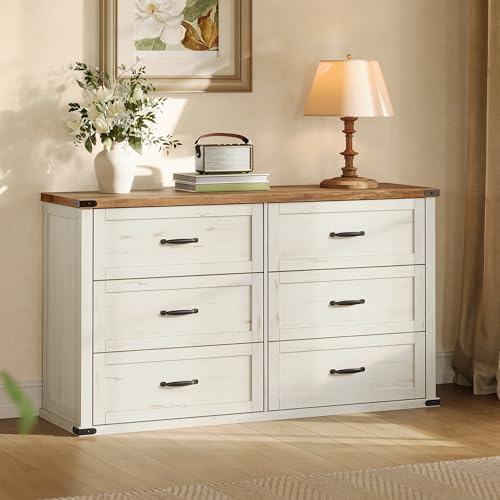
White Wash Dresser: The Complete Buying Guide
Everything you need to know about white wash dressers — from finish techniques and wood types to styling ideas and practical buying advice for a bright, airy bedroom.
Start ExploringWhy a white wash dresser? A white wash finish softens the look of natural wood while keeping its grain visible. The result is a relaxed, light-filled piece that works across coastal, farmhouse, Scandinavian, and transitional interiors — and it hides minor wear better than solid paint.
What Exactly Is a White Wash Dresser?
A white wash dresser is a storage piece treated with a thin, translucent white stain rather than an opaque paint. The technique — sometimes called whitewashing or white-washing — leaves the wood grain visible beneath a milky veil of color. Because the finish is absorbed into the surface rather than sitting on top of it, the furniture keeps a natural, tactile quality that painted pieces often lose.
This distinguishes it from a standard white dresser with white knobs or a white gloss dresser, where the surface is fully coated. A white wash piece looks weathered but intentional — closer to driftwood than to a factory finish. Many shoppers drawn to a white farmhouse dresser are actually looking for this softer, grain-forward aesthetic.
White Wash vs. Painted White: What's the Difference?
White Wash Finish
Translucent stain that reveals wood grain. Lighter coverage, natural texture, forgiving of small scratches. Best for oak, pine, and ash. Pairs naturally with coastal and farmhouse decor.
Painted White Finish
Opaque coating that covers the grain completely. Uniform color, easy to wipe clean, but chips and scratches show more. Common on MDF and engineered wood pieces.
Neither is objectively better — the choice depends on the look you want and the material underneath. If you love visible grain and a lived-in feel, white wash wins. If you prefer a crisp, uniform surface, a painted piece such as a white modern dresser may suit you better.
Best Woods for a White Wash Dresser
The wood species determines how the white wash reads. Open-grained woods absorb the stain unevenly, which is exactly what creates the characteristic textured look. Here's how the common options compare:
| Wood Type | Grain Character | Best For |
|---|---|---|
| Oak | Bold, open grain that grabs the white wash | Durable everyday pieces; farmhouse and coastal rooms |
| Pine | Soft, knotty grain with a rustic feel | Relaxed cottage and cabin styles |
| Ash | Straight, clean grain with subtle contrast | Contemporary and Scandinavian interiors |
| Maple | Fine, tight grain that takes a subtle wash | Refined, understated bedrooms |
If you want a bolder grain statement, consider an white oak dresser, which combines oak's durability with the white wash aesthetic. For a softer, more rustic result, a pine-based white wood dresser is a natural fit.
Styles That Suit a White Wash Finish
White wash is versatile, but it shines brightest in a few specific design directions. Match the silhouette to the finish and the piece will feel intentional rather than accidental.
- Coastal and beach house: Slatted fronts, louvered details, and light hardware complement the weathered look. A white rattan dresser or a white wicker dresser extends the coastal theme.
- Farmhouse and cottage: Chunky tops, bracket feet, and simple round knobs. Explore white farmhouse chest of drawers options for this direction.
- Scandinavian and modern: Clean lines and tapered legs keep the finish from feeling dated. A white mid-century dresser silhouette works well.
- Transitional: A white dresser with mirror in a white wash finish bridges traditional and contemporary rooms.
Explore Related White Dresser Styles
Hardware and Accent Pairings
Because the white wash itself is soft and textured, the hardware you choose sets the mood. Contrasting metal finishes add definition; matching tones keep the look calm and airy.
Warm Contrast
Brass and gold-toned pulls bring warmth and a slightly vintage feel. A white dresser with brass hardware is a classic coastal pairing.
Crisp Contrast
Matte black knobs and pulls create a graphic, modern edge. A white dresser with black knobs feels current without being trendy.
Soft Monochrome
White or silver hardware blends into the finish for an understated, seamless look — ideal for small rooms where visual calm matters.
Mixed Materials
A wood top breaks up the white surface and reinforces the natural story. See our guide to a white dresser with natural wood top.
Practical Buying Considerations
Beyond the finish, the same fundamentals apply as with any dresser. Use the checklist below to avoid common mistakes.
- Drawer movement: Test the glides in person if possible. Soft-close runners reduce noise — see our notes on a white dresser with soft-close drawers.
- Depth and capacity: Deep drawers hold bulky knitwear; shallow drawers suit folded shirts and accessories. A white dresser with deep drawers is helpful in shared rooms.
- Stability and safety: Confirm the piece has an anti-tip kit, especially in children's rooms. Our guide to a white children's dresser covers safety in more detail.
- Finish durability: Ask whether the white wash is sealed with a topcoat. An unsealed wash is more vulnerable to moisture and staining.
- Room scale: Measure wall space and doorways before ordering. A white small dresser for bedroom may be the better fit in compact rooms than a wide piece.
Quality Tiers Explained
White wash dressers span the full market spectrum. Rather than focusing on figures, it helps to understand what each tier typically delivers in construction and finish quality.
| Tier | Typical Construction | Best For |
|---|---|---|
| Entry-level | Engineered wood with a printed or thin veneer wash; basic side-mounted glides | Guest rooms, first apartments, seasonal use |
| Mid-range | Solid wood frames with veneered panels; smoother glides; sealed finish | Primary bedrooms and everyday family use |
| Premium | Solid hardwood throughout; hand-applied wash; soft-close hardware | Long-term investment pieces and design-led rooms |
| Luxury | Kiln-dried hardwood, joinery-built cases, custom finish options | Bespoke interiors and heirloom-quality furniture |
Mid-range models usually offer the most balanced combination of finish quality and durability, while entry-level pieces are a reasonable choice for low-traffic rooms. Premium and luxury tiers make sense when the dresser is a focal point you intend to keep for many years.
Styling a White Wash Dresser
The finish is a neutral canvas, so styling should add texture and warmth rather than more white. Layer natural materials — linen, rattan, ceramic, and greenery — and keep the top surface uncluttered.
- Pair with a linen-upholstered bench or a woven basket for texture.
- Use a table lamp with a warm bulb to soften the cool undertone of the wash.
- Add a mirror above the dresser to bounce light — a white mirrored dresser takes this idea further.
- Keep accessories to three or four items; the grain is the star.
Ready to Compare White Wash Dressers?
Browse our curated selection below and check availability on the styles that match your room.
View Recommended PiecesFrequently Asked Questions
What is a white wash dresser?
Is a white wash dresser good for a bedroom?
How do I maintain a white wash dresser?
What wood works best for a white wash finish?
Can I white wash an existing dresser myself?
More White Dresser Guides
If you're still narrowing down the right piece, these related guides cover specific configurations, room contexts, and companion furniture.